Welcome to the world of custom pottery! Starting a custom pottery business is an exciting opportunity to create unique and beautiful products, while also providing a service to your customers. A business plan is an essential part of launching any business, and will help you to organize your resources and plan for the future. In this guide, we’ll walk you through the steps to creating a business plan for your custom pottery business. From establishing your goals and objectives to the financial planning and marketing strategies, you’ll be well on your way to success. Investing the time and effort to develop a comprehensive business plan will help you to identify potential opportunities and challenges, and prepare you to face them head on. Let’s get started!
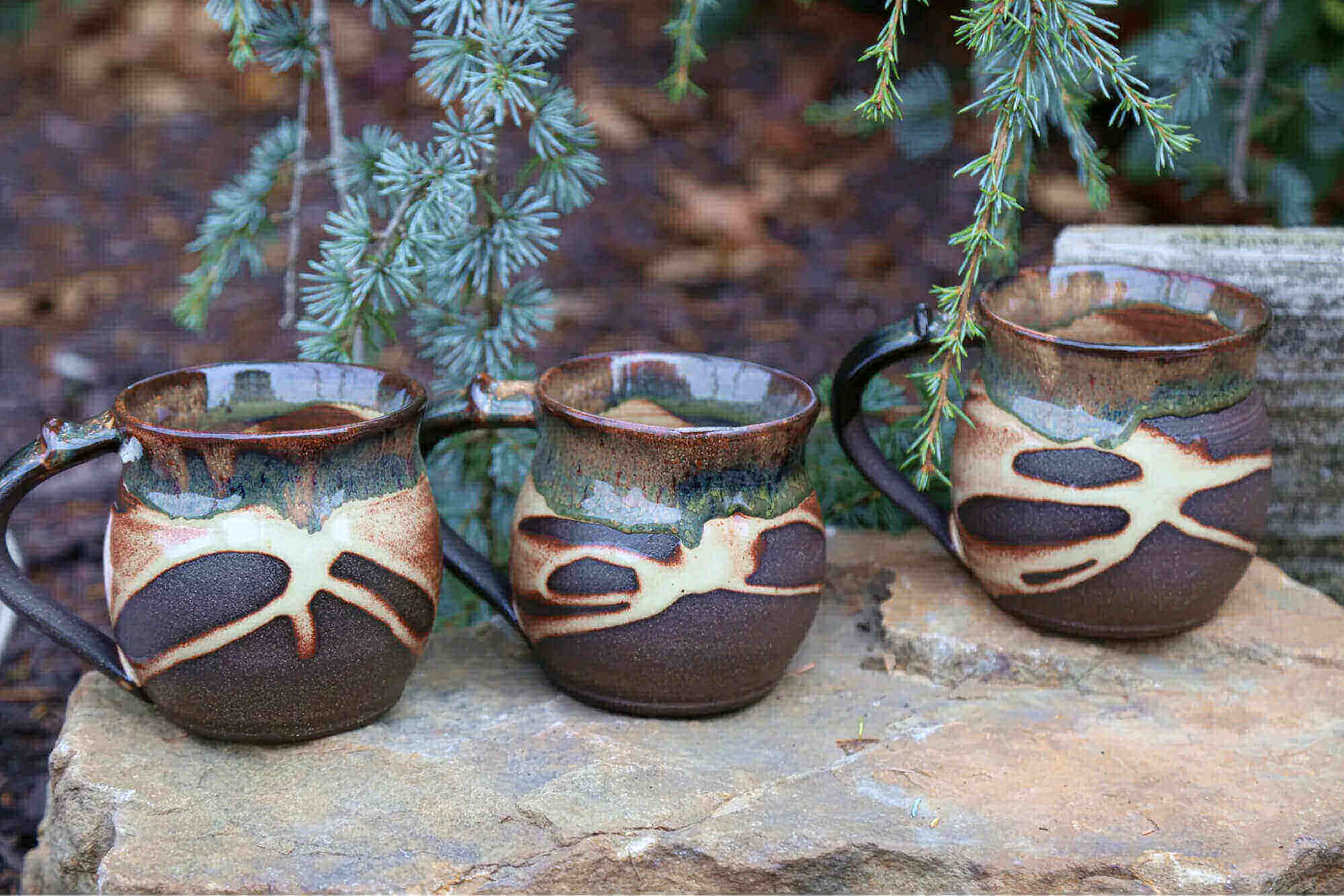
Custom Pottery Business Plan
When creating a custom pottery business plan, it is important to consider the following:
When writing a business plan for a custom pottery business, it is important to include the following elements:
- Defining the products or services you intend to offer - What type of pottery will you offer? Will you specialize in a certain type of pottery, or will you offer a variety of pottery pieces?
- Estimating demand for your products or services - Think about the industry you are entering and consider factors such as the current demand for custom pottery in the marketplace, your potential customer base, and the competition.
- Estimating the costs associated with your business - Consider the costs associated with purchasing supplies, renting a workspace, hiring staff, and any other costs associated with running the business.
- Creating a budget and financial projections - Develop a budget that reflects the estimated costs associated with your business, and create financial projections that will help you track your progress and make adjustments as needed.
- Establishing a marketing strategy - Create a marketing plan that outlines how you will promote your business and reach potential customers. Think about the channels you will use to get the word out, such as social media, local events, and word-of-mouth.
- Writing a business plan - A business plan is a formal document that outlines the goals and objectives of your business, as well as the strategies and tactics you plan to use to reach those goals. It should include an executive summary, a description of the business, a market analysis, an operational plan, and a financial plan.
Want a Custom Pottery Business Plan Template?
Business Model
The business model for the custom pottery business is based on providing high-quality, custom-made pottery products to customers. The focus of the business will be creating and selling pottery products, with additional services such as classes and workshops, to generate additional revenue.
The primary source of revenue will come from the sale of custom pottery products. The business will work with customers to create custom pieces that meet their needs and specifications. The products will be sold both directly to customers, as well as through retailers and other third-party vendors. The business will also offer classes and workshops to teach customers how to create their own pottery products. These classes and workshops will be an additional source of revenue for the business.
The business will also focus on developing and maintaining relationships with retailers and other third-party vendors to ensure a steady stream of sales. The business will also invest in advertising and marketing strategies to reach potential customers and increase brand awareness.
Finally, the business will seek to build an online presence in order to reach a wider customer base. This will involve creating a website, developing an online store, and leveraging social media to reach customers. The goal is to use these online resources to make the business more accessible to customers and to grow the customer base.
Business Summary
Custom Pottery is a ceramic arts studio located in Anytown, USA. Since its inception in 2020, we have been creating unique, one-of-a-kind pieces for clients who want to express themselves through pottery. We use a combination of traditional pottery techniques, such as hand-throwing, as well as modern technologies, such as 3D printing, to create pieces that are both aesthetically pleasing and meaningful to our customers. Our business model focuses on custom pieces and customer service, and we strive to create an experience for our customers that is both enjoyable and unique.
We believe that pottery is an art form that should be accessible to everyone and strive to make our services affordable and customer-friendly. We are dedicated to providing high-quality products that are both beautiful and functional. We offer a variety of services, such as private lessons, group workshops, and custom orders, to meet the needs of our customers.
Custom Pottery has a team of experienced and passionate ceramicists who are committed to creating unique pieces for our customers. We have a wide range of products, including mugs, vases, plates, and sculptures. We are passionate about creating pieces that our customers can cherish for years to come.
Our goal is to become the go-to destination for custom pottery in Anytown, USA. We want to create a space where people can come to express their creativity through pottery and take home pieces that are truly one-of-a-kind. We are committed to providing our customers with exceptional service and products that they can be proud to own.
Marketing Plan
The success of a custom pottery business depends on an effective marketing strategy. The following steps should be taken to ensure that the business is well-positioned to reach potential customers:
- Establish Your Brand: Develop a strong brand identity for your business, one that stands out and resonates with your target audience. This should include creating a logo, tagline, and any other visuals that will help customers recognize your business.
- Develop Your Website: Create a website for your business that is user-friendly and engaging. Include key features such as product descriptions, customer reviews, and a blog.
- Utilize Social Media: Take advantage of social media platforms to reach potential customers. Create pages on popular sites such as Facebook, Twitter, and Instagram and use them to share updates, announcements, and promotions.
- Advertise: Utilize traditional and digital advertising methods to reach potential customers. This could include print ads, radio spots, and online display ads.
- Offer Promotions: Utilize promotions to attract new customers. This could include discounts, giveaways, or special offers.
- Participate in Events: Participate in local events such as craft fairs and art shows to introduce customers to your custom pottery.
- Network: Build relationships with other local businesses that could benefit from your custom pottery. This could include florists, interior designers, and home décor stores.
By following these steps, you should be able to effectively market your custom pottery business and reach potential customers.
Financial Projections
Financial projections are an important part of any business plan, and this is especially true for a custom pottery business. It is important to understand the costs associated with starting a pottery business and to accurately project the potential income.
Startup Costs: When starting a custom pottery business, there are some essential startup costs to consider. These include the cost of materials such as clay, glazes, and tools, as well as overhead costs like rent and utilities. You will also need to factor in the cost of any necessary permits or licensing.
Revenue Projections: In order to make accurate revenue projections, you will need to have a good understanding of the market for custom pottery. Research the current prices for pottery of different sizes and styles, and compare it to the cost of production. Once you have determined a reasonable price point for your offerings, you can begin to make projections for how much you can expect to make in a given month or year.
Cost of Goods Sold (COGS): When projecting your costs of goods sold, consider factors such as the cost of clay, glazes, and other materials as well as the cost of labor. You will also need to factor in any overhead costs associated with running the business, such as rent, utilities, and other expenses.
Break-Even Analysis: A break-even analysis is an important part of any financial projection. This analysis will help you determine when your business will begin to turn a profit. To calculate your break-even point, you will need to determine the total fixed costs associated with running your business, as well as the average cost of producing each item. Once you have these two figures, you can divide your fixed costs by the cost of production to determine how many items you need to sell in order to break even.
Overall, financial projections are an essential part of any business plan. By accurately forecasting costs and revenue, you can ensure that your pottery business is successful.