Opening a fine dining restaurant is a complex and exciting endeavour that requires careful planning and preparation. A well-crafted business plan is an essential part of any successful restaurant launch. With the right information and guidance, you can put together a business plan that will help you achieve your restaurant's goals.
This guide will provide you with an overview of the key elements of a business plan for a fine dining restaurant. We'll discuss what information is necessary and the best practices for constructing a comprehensive plan that outlines your restaurant's mission, goals, and strategies. By the end of this guide, you'll have the knowledge and resources to create a professional business plan to take your fine dining restaurant to the next level.
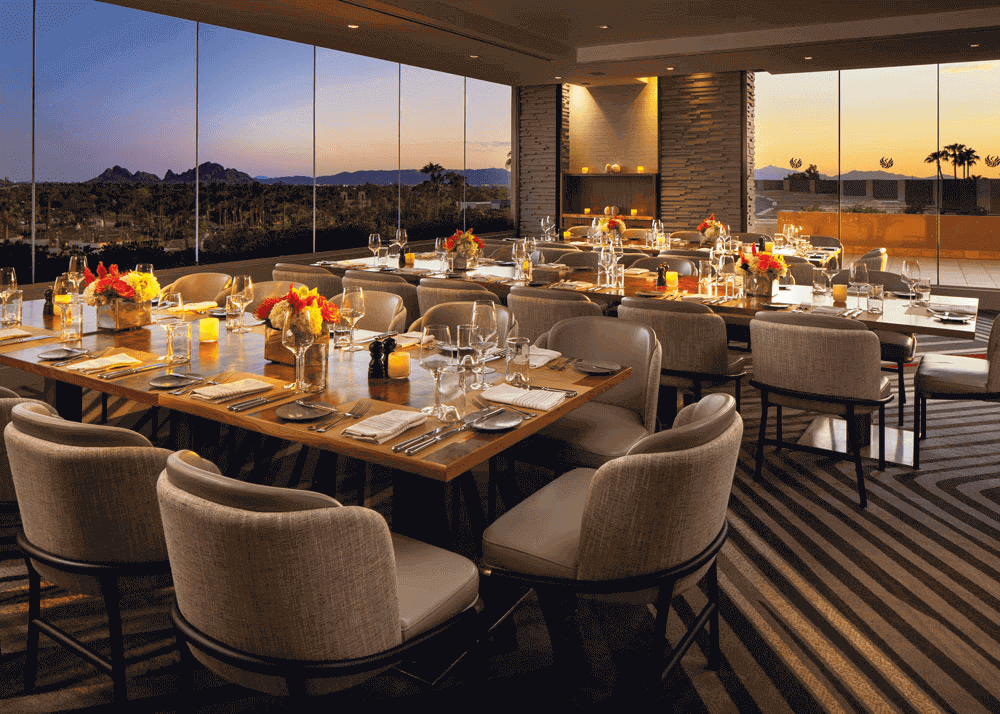
Fine Dining Restaurant Business Plan
When creating a business plan for a fine dining restaurant, it is important to consider all aspects of the business. The first step is to create a comprehensive overview of the restaurant's concept and goals. This should include a detailed description of the restaurant's menu, ambiance, and target market. Additionally, you should consider what sets your restaurant apart from other restaurants in the area, as well as any competitive advantages your restaurant may have. Finally, you should outline your financial projections for the business. This should include estimated startup costs and revenue projections for the first year, as well as a detailed budget for operating expenses.
When creating a business plan for a fine dining restaurant, it is important to consider all aspects of the business. Start by outlining a comprehensive overview of the restaurant's concept and goals. This should include a detailed description of the restaurant's menu, ambiance, target market, and any competitive advantages the restaurant may have. Also, be sure to include what sets the restaurant apart from others in the area. Next, you should outline your financial projections for the business. This should include an estimation of startup costs and revenue projections for the first year, along with a detailed budget for operating expenses. Finally, be sure to consider any additional costs that may arise, such as marketing and advertising, in order to ensure the success of the restaurant.
Want a Fine Dining Restaurant Business Plan Template?
Business Model
The business model for our fine dining restaurant is based on providing high-quality cuisine and excellent customer experience. We will focus on providing an upscale dining experience, with an emphasis on fresh, locally-sourced ingredients. This includes offering a wide variety of dishes, as well as a unique atmosphere and exceptional customer service.
Our pricing strategy will be based on a premium pricing model, allowing us to charge more for our unique and high-quality products and services. We will also offer a loyalty program to reward customers for their repeat business.
We will generate revenue through the sale of food and beverages, as well as through our catering services. We will also seek to leverage our presence in the local community by offering special events and promotions. Additionally, we plan to develop an online presence to make it easy for customers to order from us online.
Our goal is to create an unforgettable experience for our customers. We plan to do this by offering exceptional customer service, a unique atmosphere, and high-quality food and beverages. We believe that by focusing on providing an amazing customer experience, we will gain loyal customers who will return and recommend us to friends and family.
Business Summary
The business summary section should provide an overview of the business concept and the overall goals of the fine dining restaurant. The business summary should include the following information:
- The purpose of the restaurant: The restaurant is designed to provide an upscale dining experience for guests who are looking for an elevated culinary experience. The menu will offer a wide variety of classic and modern dishes, crafted with high-quality ingredients and presented in a stylish setting.
- The target market: The primary target market for the restaurant will be affluent individuals who are looking for a special dining experience. The restaurant will also be attractive to those who appreciate high-quality food and creative presentation.
- Location: The restaurant will be located in an area that is convenient for the target market, such as a downtown area or popular shopping district.
- Services: The restaurant will offer a full range of services, including dine-in, take-out, catering, and delivery.
- Competitive advantages: The restaurant will be distinguished from competitors by offering a unique menu, superior service, and a stylish atmosphere.
- Financial goals: The restaurant's goal is to generate a profit within the first year of operation.
- Milestones: The restaurant will be launching a marketing campaign and hiring additional staff within the first year of operation.
This business summary should provide readers with an understanding of the mission and goals for the restaurant. It should also provide a glimpse into the competitive advantages, financial goals, and milestones for the business.
Marketing Plan
Creating a marketing plan for a fine dining restaurant is an important step in ensuring the success of the business. The marketing plan should include a strategy for reaching potential customers and communicating the restaurant's unique offering.
To start, it is important to understand the target customer. Who will be visiting the restaurant and what will draw them in? Knowing the target customer's demographic and interests can help inform the marketing strategy.
Once the target customer is identified, the restaurant can develop a comprehensive marketing plan. The plan should include a budget, marketing tactics, and performance goals.
For budgeting, consider which tactics will be most effective in reaching the target customer. For example, if the target customer is engaged on social media, invest in a robust social media presence. Consider advertising, promotions, and community outreach.
Advertising can be done through traditional avenues such as print, radio, and television, or through digital marketing, such as search engine optimization (SEO) and pay-per-click (PPC) advertising. Additionally, consider utilizing influencer marketing or public relations to reach potential customers.
Promotions can be used to draw attention to the restaurant and encourage customers to visit. Examples of promotions include discounts, giveaways, and loyalty programs.
Finally, consider community outreach efforts. This could include sponsoring local events or partnering with other businesses to reach potential customers.
By creating a comprehensive marketing plan, the restaurant can ensure that its message reaches the target customer and that the business is successful.
Financial Projections
When creating a business plan for a fine dining restaurant, it is important to include a financial projections section. This section will provide an overview of the startup costs, estimated revenue and profitability of the restaurant.
- Startup Costs
Startup costs for a fine dining restaurant include expenses related to purchasing equipment, building supplies, and hiring staff. Other expenses include legal fees, advertising, and rent. In order to accurately estimate these costs, it is important to consult with a local restaurant supplier to determine the cost of equipment, as well as a local real estate agent to determine the cost of rent. Additionally, it is important to account for any additional costs that may arise during the startup process.
- Revenue Projections
Revenue projections are typically calculated by considering the average check size, number of covers (the number of people served), and the number of days the restaurant is open. It is important to research the local competition to get an idea of the average check size for a fine dining restaurant. Additionally, it is important to consider the potential for catering services, special events, and private functions. These additional revenue streams can help to increase the total revenue potential of the restaurant.
- Profitability Projections
Profitability projections should be calculated by subtracting total operating expenses from total revenue. Operating expenses include food and beverage costs, labor costs, rent, and other overhead expenses. In order to accurately calculate profitability, it is important to calculate the cost of goods sold (COGS) and include it in the total operating expenses. Additionally, it is important to factor in a certain percentage of the revenue for taxes and other fees.
By including a financial projections section in the business plan for a fine dining restaurant, potential investors will have a better understanding of the financial potential of the restaurant. This section should provide an accurate overview of the startup costs, estimated revenue, and profitability of the restaurant.