Are you thinking of opening a miniature golf course? If so, you need to create a comprehensive business plan to help you get your venture off the ground. This business plan should include all the information you need to successfully launch your miniature golf course, such as your financial projections, marketing strategy, and operational plans.
Creating a business plan can seem daunting, so we’ve put together this guide to help you get started. Through this guide, you’ll learn what a business plan is, why you need one, and how to create a successful plan for your miniature golf course. By the end of this guide, you’ll have the knowledge and resources to create a business plan that will help you launch your miniature golf course.
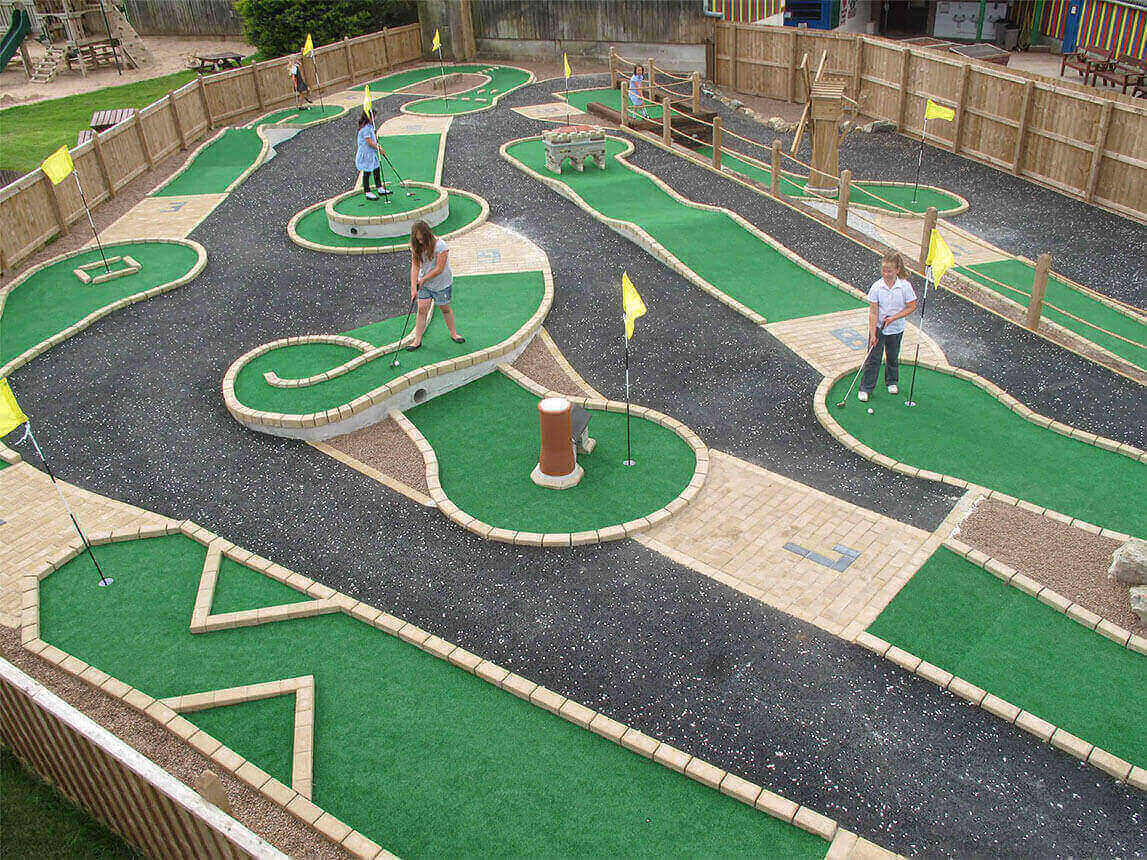
Miniature Golf Course Business Plan
A business plan is essential for any business, and a miniature golf course is no exception. It provides structure and direction to ensure that the business remains on track and achieves its goals. When preparing a business plan for a miniature golf course, there are a few key elements to consider.
A business plan for a miniature golf course should include a detailed description of the business concept and its potential. This should include the type of course being offered, the location, the target audience, and the anticipated level of profitability. It should also include a business strategy with clear objectives, a marketing plan, and a financial plan. The plan should also include an analysis of the competition and a contingency plan for unexpected events. Finally, the plan should include a timeline for implementing the business plan and a budget for the various activities involved.
Want a Miniature Golf Course Business Plan Template?
Business Model
The miniature golf course business model is based on a combination of income streams from ticket, concession, and merchandise sales.
Ticket Sales: The primary source of revenue for a miniature golf course is ticket sales. Ticket prices typically depend on the size of the course, the quality of the facilities, and the local market. Generally, ticket prices range from $5-$11 per person, with discounts for groups and families.
Concession Sales: Concession sales are also an important source of income for miniature golf courses, as they provide customers with refreshments and snacks during their experience. Popular concession items include hot dogs, ice cream, candy, and drinks. Prices for concessions will vary, but they should be kept affordable to maximise profits.
Merchandise Sales: Another way to increase income is through sales of miniature golf-themed merchandise, such as t-shirts, hats, mugs, and other souvenirs. Prices for merchandise will depend on the items, but they should be kept competitive to draw in customers.
In addition to these income streams, miniature golf courses may also offer additional services, such as lessons and birthday parties. These services would also generate additional revenue for the business.
Business Summary
The business summary section of this miniature golf course business plan provides an overview of the proposed enterprise. The business will offer a miniature golf course with 18 holes, a snack bar, and a gift shop. The course will be located in a highly visible area, with easy access from the highway and public transportation. Customers will be able to enjoy a round of miniature golf and purchase snacks and souvenirs from the snack bar and gift shop.
The business will be owned and operated by the entrepreneur, who has extensive experience in the leisure and entertainment industry. The entrepreneur has identified the target market of families and children, who are looking for a fun and affordable outdoor activity. The business will be supported by a team of experienced staff members and a strong marketing campaign.
The business plan includes a detailed financial plan that includes start-up costs, projected income and expenses, as well as plans for future growth. The business will be funded by a combination of personal funds and bank loans.
The proposed miniature golf course will provide a unique and enjoyable experience for the local community. The business plan provides an in-depth analysis of the local market, the competition and the financial opportunities. With this business plan, the entrepreneur is ready to launch the miniature golf course and begin turning a profit.
Marketing Plan
The marketing plan for a Miniature Golf Course should be focused on making the course attractive to potential customers. This can be achieved by creating a comprehensive marketing strategy that includes both traditional and digital marketing strategies.
Traditional Marketing Strategies
- Branding: Develop a recognizable logo, slogan, and colour scheme to create a unique brand identity and stand out from the competition.
- Advertising: Utilise print, radio, and television advertising to reach potential customers and increase awareness of the Miniature Golf Course.
- Public Relations: Develop relationships with local media outlets to gain press coverage and increase visibility.
- Events: Host promotional events such as tournaments, contests, and special events to attract customers.
Digital Marketing Strategies
- Website: Develop a professional website with information about the Miniature Golf Course, rates, hours, and contact information.
- Social Media: Use social media platforms to engage with customers, build relationships, and promote the Miniature Golf Course.
- Email: Create an email list to send out updates and promotions to customers.
- Search Engine Optimization: Improve the visibility of the website and content on search engine results pages by utilising SEO techniques.
These marketing strategies will help to create an effective marketing plan that will help to promote the Miniature Golf Course and attract more customers.
Financial Projections
A business plan for a Miniature Golf Course should include detailed financial projections for the business. This section should include the expected startup and operating costs, expected revenue, and any assumptions you make in preparing the projections.
- Startup Costs:
The startup costs for a Miniature Golf Course will vary depending on the size and complexity of the course. Generally, the more holes and features the course has, the more expensive it will be to build. Typical startup costs will include the cost of land, construction, equipment, and permits.
- Operating Costs:
The operating costs of a Miniature Golf Course will depend on the size and complexity of the course, as well as the location and type of management. Typical operating costs will include payroll, utilities, maintenance, and marketing.
- Revenue:
Revenue for a Miniature Golf Course will come from fees charged to play the course, as well as any additional items such as food, beverages, or souvenirs. The fees should be determined based on market research and the cost of operating the course.
- Assumptions:
In preparing the financial projections for a Miniature Golf Course, you should make assumptions about the number of customers, the average fee per customer, the cost of operating the course, and any other factors that may affect the profitability of the business. Make sure to include these assumptions in the plan so that readers have a clear understanding of how the projections were created.
By including detailed financial projections in your Miniature Golf Course business plan, you will be able to demonstrate the potential profitability of the business and convince potential investors of the viability of the project.