Are you looking to open a musical instrument store? Creating a business plan for your store is an important first step to take. It will provide you with a roadmap for the future of your business and help you to secure financing from investors or lenders.
This guide will provide you with an overview of the essential components of a business plan for a musical instrument store. We will begin with an introduction to the business and discuss the key objectives, mission statement, and market analysis. We will then move on to discussing the financial projections and the implementation plan. Finally, we will outline the necessary steps to create a complete business plan. With this guide, you will have all the information you need to create a successful business plan for your musical instrument store.
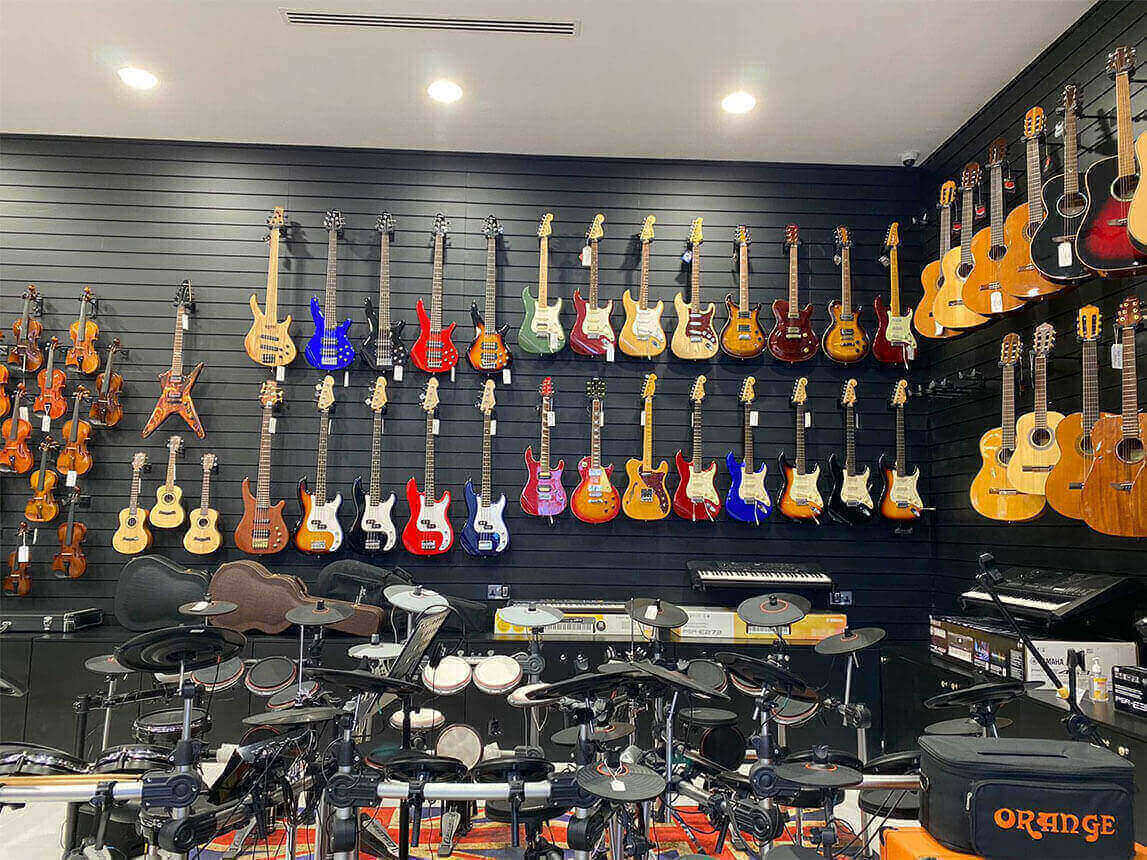
Musical Instrument Store Business Plan
When writing a business plan for a Musical Instrument Store, it is important to consider the following:
- Identify your target market: Before you even think about opening a store, you need to have a clear idea of who your target customers are. Think about the age range, location, gender, and income levels of the people you’re hoping to reach.
- Outline a marketing strategy: Once you know who your target customers are, you need to create a comprehensive marketing strategy that will help you reach them. Consider advertising, public relations, promotions, and online marketing tactics that will help you reach the right people.
- Research the competition: Understanding the competition is critical to the success of your Musical Instrument Store. Research the competition’s strengths and weaknesses and how they’re positioning themselves in the market. This information can help you determine the best pricing and product mix for your store.
- Create financial projections: Creating accurate financial projections is key to crafting a successful business plan. You need to have realistic estimates for both start-up costs and ongoing expenses, as well as the revenue you expect to generate. This will help you assess the viability of the business and determine if it’s a good investment.
- Develop an operational plan: You need to have an operational plan that outlines the day-to-day operations of the store. This should include a staffing plan, inventory management system, and sales strategy. It’s also important to consider any operational challenges you may face and how you’ll address them.
When writing a business plan for a Musical Instrument Store, it is important to consider the following:
- Identify your target market: It's essential to understand who your potential customers are, such as age range, location, gender, and income levels. This can help you decide what products to offer and the best marketing strategies to use.
- Outline a marketing strategy: After identifying your target customers, develop a marketing strategy that will help you reach them. This could involve advertising, public relations, promotions, and online marketing.
- Research the competition: Knowing what the competition is offering and how they're positioning themselves in the market is vital for the success of your store. Analyze their strengths and weaknesses, and use this information to inform your pricing and product mix.
- Create financial projections: Create realistic financial projections for both start-up costs and ongoing expenses, as well as the revenue you expect to generate. This will help you assess the viability of the business.
- Develop an operational plan: Develop an operational plan that outlines the day-to-day operations of the store. This should include a staffing plan, inventory management system, and sales strategy. Also consider any operational challenges you may face and how you’ll address them.
Want a Musical Instrument Store Business Plan Template?
Business Model
The business model for a Musical Instrument Store will be based on the acquisition and sale of musical instruments, as well as related items such as sheet music, strings, and accessories. The business will acquire new and used instruments and sell them to customers at a markup.
In addition to selling instruments, the store will offer services such as instrument repair and maintenance, lessons, and instrument rentals. These services will generate additional revenue streams, and will help to differentiate the store from its competitors.
The store will focus on providing customers with a wide selection of instruments at competitive prices. To ensure customers receive the best value, the store will actively search for deals on new and used instruments, and will offer discounts on certain items.
To promote the store, the business will utilize both online and offline marketing strategies, including social media campaigns, local advertising, and word-of-mouth. The store will also host in-store events such as recitals, concerts, and workshops to draw in more customers.
The store will be located in a high-traffic area with easy access from the highway. This will make it easier for customers to reach the store, and will also increase visibility. The store will also feature an online presence, allowing customers to purchase items from the comfort of their own homes.
Ultimately, the goal of the business model is to provide customers with a wide selection of quality instruments at competitive prices, while offering additional services such as instrument repairs and lessons. This will help to differentiate the store from its competitors, and will help it to gain a loyal customer base.
Business Summary
The business summary is an important section of a business plan because it provides a concise overview of the entire business plan. In this section of the business plan, we will provide an overview of the proposed Musical Instrument Store business.
The Musical Instrument Store will be a retail business that specializes in the sales of all kinds of musical instruments, from guitars and drums to keyboards and wind instruments. The store will be located in a high-traffic area, making it easy for customers to find and shop for the instruments they need.
The Musical Instrument Store will offer a wide selection of both new and used instruments, and will also provide repairs and maintenance services for the instruments. The store will also have a knowledgeable and friendly staff that can help customers with their instrument needs.
In addition, the store will also offer a variety of music lessons to customers, ranging from beginner to advanced levels. The store will also provide music-related services, such as instrument rentals, repairs, and maintenance.
The Musical Instrument Store will strive to provide customers with a pleasant and easy shopping experience, while also offering competitive pricing on instruments and services. The business plan will outline the strategies and tactics that will help the store be successful, including market research to understand the needs of the customers and the competitive landscape, and marketing plans to reach potential customers.
The store will be managed and operated by a team of experienced professionals who have a deep understanding of the music industry and the needs of musicians. The team will develop and implement strategies to ensure the success of the business.
The Musical Instrument Store will be a great resource for musicians of all levels, from beginners to professionals. With its selection of instruments, services, and music lessons, the store will be a one-stop-shop for all of a musician's needs.
Marketing Plan
As the owner of a musical instrument store, you are in charge of creating a marketing plan that will ensure that your business is able to reach its target audience. Your goal is to build awareness of your business, increase sales, and establish your store as a trusted source for musical instruments.
- Define Your Target Audience: Before creating your marketing plan, identify who your target customers are. Determine their age, interests, and any other relevant information. Knowing who your target audience is will help you create a more effective marketing plan.
- Develop a Brand Identity: Create a logo and tagline for your store that will resonate with your target audience. Develop a style guide that outlines the look and feel of your brand, and use it to create consistent visuals for your marketing materials.
- Create an Online Presence: Establish a website and social media accounts to reach a wider audience. Use these channels to post updates and promotions, and engage with your customers.
- Utilize Traditional Advertising: Utilize traditional advertising methods such as print, radio, and TV ads to reach your target audience.
- Leverage Word-of-Mouth: Encourage your customers to share their experience with their friends and family. Offer incentives such as discounts or free items to encourage them to spread the word.
- Host Events: Host special events such as concerts or classes in your store to draw in customers.
- Track Your Results: Track your marketing efforts to determine which methods are the most successful. This will help you make better decisions about your marketing budget in the future.
By creating and implementing a comprehensive marketing plan, you can ensure that your business will reach its target audience and increase sales.
Financial Projections
Financial projections are an important part of any business plan and can provide investors with an accurate picture of the potential success of the venture. When creating financial projections for a musical instrument store, there are several key components to consider.
First, it is important to determine the start-up costs associated with the business. This includes the cost of leasing a physical space, purchasing inventory, hiring staff, and any other associated costs. It is also helpful to estimate the costs of marketing, advertising, and any other expenses that may be associated with launching the business.
Next, you should create a sales forecast for the first two years of the business. This should include estimated revenue generated from each type of instrument sold, as well as the expected number of sales per month. This will provide a better understanding of the potential success of the business.
Finally, you should include an income statement and cash flow projections for the first two years of the business. An income statement should include projected revenue, expenses, and profits. The cash flow projections should include the expected cash inflows and outflows associated with running the business.
By including these three key components in a financial projections section of a business plan, potential investors will have a better understanding of the potential success and profitability of the venture. This information can help them make an informed decision on whether or not to invest in the business.