Start your pasta Italian restaurant business plan with an introduction that outlines your business's mission, objectives and competitive advantages. This part of the plan will act as a roadmap for investors, partners and potential customers.
The introduction should include:
- A brief overview of your restaurant concept and philosophy.
- Your objectives for starting the business and the goals you hope to achieve.
- A description of the market you plan to target, including the demographic you want to reach and how you plan to do so.
- An overview of the competitive landscape, including other restaurants in the area, and how you plan to differentiate your restaurant from them.
- A brief overview of the capital investment needed to launch the restaurant, as well as a timeline for when the restaurant will be opened.
- Any applicable licensing requirements, permits, and other legal considerations.
Your introduction should be concise and engaging, giving readers a clear picture of why your restaurant is a good investment.
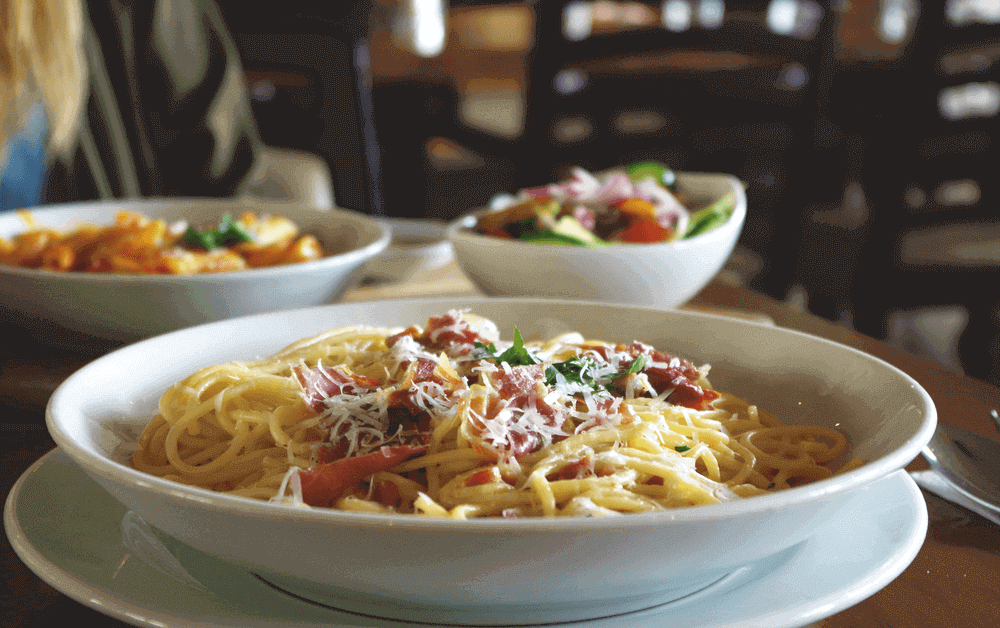
Pasta Italian Restaurant Business Plan
When creating a business plan, it's important to understand the components that are included. The main components of a business plan include the executive summary, business description, market analysis, competitive analysis, and financial projections.
When creating a business plan for a Pasta Italian Restaurant, the executive summary should outline the concept of the restaurant, the target market, and the potential for success. The business description should include the restaurant's mission, the expected location, and the services that will be offered. The market analysis should include a description of the target market, an analysis of the competition, and an analysis of the current market trends. The competitive analysis should identify the competition and their strategies, as well as the restaurant's competitive advantage. The financial projections should include an overview of the startup costs, projected sales, and anticipated profits.
Want a Pasta Italian Restaurant Business Plan Template?
Business Model
The business model for a Pasta Italian Restaurant includes a variety of key elements that need to be considered.
First, the restaurant must have a well-defined target audience. This could include local Italian food lovers, Italian-American food lovers, and people who are looking for a fast and filling meal from a convenient location.
Second, the restaurant needs to determine its pricing structure. This will involve researching competitors, determining the cost of ingredients, and setting the right prices to be competitive and make a profit.
Third, the restaurant must consider its location. This includes finding a location that is easily accessible and visible, as well as one that fits the desired demographic.
Fourth, the restaurant must decide on the type of menu items it will offer. This could include traditional Italian dishes, specialty items, and vegetarian and vegan options.
Fifth, the restaurant must consider the type of atmosphere and décor it wants to create. This could include a casual and family-friendly atmosphere, a romantic setting, or a high-end restaurant with more upscale décor.
Finally, the restaurant must develop an effective marketing strategy. This could include traditional print and broadcast advertising, as well as digital marketing through social media, email campaigns, and more.
By addressing all of these elements, the restaurant can create a business model that is both successful and profitable.
Business Summary
The Pasta Italian Restaurant is a small family-owned restaurant serving traditional Italian cuisine in a cozy and welcoming atmosphere. Our menu features classic Italian dishes, with an emphasis on pastas and sauces made from scratch using the highest-quality ingredients. We also offer a selection of Italian wines to accompany our meals. Our goal is to provide an inviting and enjoyable dining experience to our customers.
We will be located in a busy shopping center just outside of town, and the surrounding area is densely populated with potential customers. We plan to make the restaurant a destination spot by offering a unique menu, excellent service, and a relaxed and inviting atmosphere.
We will be open 7 days a week and employ 6 full-time and 5 part-time staff members. We have secured a bank loan to cover the initial costs of the restaurant and are confident that our business will be successful. We plan to offer a variety of marketing strategies to attract customers, including online marketing, local print advertisements, and word-of-mouth marketing.
We are confident that our restaurant will be a success, and we look forward to serving our customers delicious Italian cuisine.
Marketing Plan
Creating a successful marketing plan for a Pasta Italian Restaurant business is essential in order to bring customers through the door and make sure the restaurant is a success. The following are key elements to consider when crafting a marketing plan for your Pasta Italian Restaurant.
- Identifying Your Target Market: It is important to identify who your target market is for your Pasta Italian Restaurant. Knowing who you are targeting will help you to create an effective marketing plan. Consider the demographic of your potential customers and what appeals to them.
- Developing Your Brand: Developing a brand identity for your Pasta Italian Restaurant will help you to stand out from the competition. Be sure to create a logo and tagline to build brand recognition and loyalty.
- Generating Awareness: Take advantage of a variety of marketing tactics to generate awareness of your restaurant. Consider hosting events, offering discounts, and utilizing social media to get the word out.
- Creating a Loyalty Program: Providing customers with incentives to return to your restaurant is a great way to build loyalty. Consider offering a loyalty program or rewards system to keep customers coming back.
- Evaluating Your Plan: Once you have implemented your marketing plan, it is important to evaluate its effectiveness. Track the success of your marketing campaigns and make changes as needed.
By following these steps, you can create a comprehensive marketing plan for your Pasta Italian Restaurant that will help to ensure its success.
Financial Projections
Financial projections are an integral part of any business plan, and they are especially important for a restaurant. When making projections for a pasta Italian restaurant, you'll need to consider the startup costs and ongoing expenses associated with the business. To begin, you'll need to have a good understanding of the current market and the potential for growth.
- Startup Costs:
When making financial projections for a pasta Italian restaurant, it's important to include all of the startup costs associated with the business. These include the cost of the building, renovations, equipment, supplies, furniture, and initial advertising. Additionally, you'll want to include the cost of initial staff, payroll taxes, and any other pre-opening expenses.
- Ongoing Expenses:
When making financial projections, you'll also need to consider the ongoing expenses associated with the business. These include rent, payroll, food, beverages, labor costs, advertising, utilities, insurance, and other related expenses. Additionally, you'll need to estimate the cost of any additional staff you may need for peak hours or during special events.
- Revenue Projections:
When making financial projections for a pasta Italian restaurant, it's important to include revenue projections. To accurately estimate your revenue, you'll need to consider the location, size of the restaurant, and the type of food and beverages you will serve. Additionally, you'll need to factor in the cost of food, beverages, and labor costs. Additionally, you'll need to consider any additional revenue sources such as catering or special events.
These are just a few of the key points you'll need to consider when making financial projections for a pasta Italian restaurant. As you create your business plan, be sure to include detailed information on all of the startup costs, ongoing expenses, and revenue projections. This will help investors better understand the potential of your business and make a more informed decision.