Are you looking to launch a recycling energy conversion business? A well-crafted business plan will help you articulate your goals, map out your strategy for success, and attract potential investors. Preparing a business plan for a recycling energy conversion business can be a daunting task, but it doesn’t have to be. With the right guidance, you can create a plan that will help you make your vision a reality. This guide will provide you with the information and resources you need to get started. Let’s begin by discussing the key elements of a successful recycling energy conversion business plan.
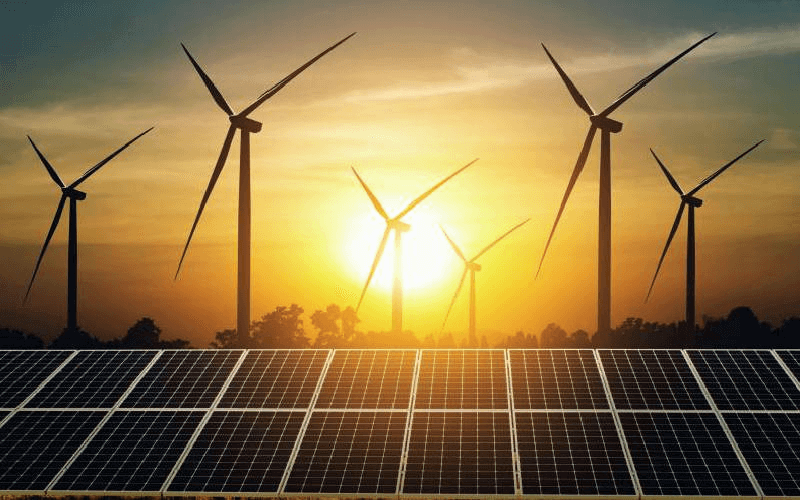
Recycling Energy Conversion Business Plan
Your business plan should include a detailed description of your business model and the products and services you plan to offer. This should include a clear overview of the market opportunities and the competitive advantages that your business will bring.
When writing your business plan, include a comprehensive description of your business model. Outline the products and services you plan to offer, as well as the market opportunities you are targeting. Explain the competitive advantages that your business will bring, such as innovative technologies or unique services. Showcase your knowledge of the industry and outline how your business will stand out within the market. Finally, provide a detailed financial forecast that includes your anticipated revenue, expenses and profits. This will help to demonstrate your thorough understanding of the recycling energy conversion industry.
Want a Recycling Energy Conversion Business Plan Template?
Business Model
The business model for a Recycling Energy Conversion business plan should be based on the premise that the company will collect, process, and transform waste products into usable energy sources. The company will acquire waste materials from various sources such as industrial, commercial, and residential locations. The company will then process the materials, converting them into combustible fuels, such as biodiesel, or into electricity.
In order to be successful, the company will need to identify and secure contracts with waste producers and energy buyers. The company may also need to secure financing in order to purchase equipment and hire personnel. The company should also explore partnerships and licensing agreements that will allow them to access new markets or technologies.
The company will also need to develop operational procedures that maximize efficiency of the recycling and conversion processes. This will include ensuring that the quality of the waste materials is suitable for processing and that the company meets all applicable environmental regulations.
It is also important to consider the cost of the company’s services and how much it will be able to charge customers. The company should consider the cost of labor, materials, and energy when determining pricing. The business should also explore the possibility of offering discounts or other incentives to customers to encourage them to use the company’s services.
Finally, the business should consider the potential for growth and expansion. The company should research new markets and technologies that may be available for recycling and conversion. The company should also consider any potential for international expansion and the potential for new partnerships.
By creating a comprehensive business model for their Recycling Energy Conversion business plan, a company can ensure success and longevity. The company should consider all aspects of the business to ensure that it is well-positioned to capitalize on emerging trends in the industry.
Business Summary
The Business Summary section of the Recycling Energy Conversion business plan provides a concise overview of the company and its purpose. The company, Recycling Energy Conversion (REC), is a green energy startup that is focused on developing innovative technologies to convert recyclable waste into renewable energy sources. The company's mission is to provide clean, renewable energy sources to meet the ever-growing demands of both residential and commercial customers.
REC's primary focus is on developing technologies that can convert recyclable materials into energy sources such as electricity, hydrogen, and biofuels. The company will leverage its existing relationships with waste management companies to source the necessary raw materials for their energy conversion processes. Additionally, the company will explore new technologies and partnerships to further expand its energy conversion capabilities.
The company is currently in the development stage, and is currently in the process of securing necessary funding to begin operations. The company expects to generate revenue within the first year of operations, and expects to be profitable within the first three years.
The company's long-term goal is to become the premier provider of renewable energy solutions in the region, and to be a leader in the development of innovative energy conversion technologies.
Marketing Plan
The marketing plan for a Recycling Energy Conversion business is essential to ensure success. It involves understanding customer needs and developing a plan to meet those needs.
First, it is important to identify the target customer. Who are they? What are their needs? Knowing the customer will help you better target your marketing efforts.
Next, develop an effective marketing strategy. Consider the best channels to reach your target customers. This may include traditional media, such as radio and TV, or digital media, such as social media or email campaigns.
Once you have a strategy in place, consider how you will measure the success of your marketing efforts. Tracking metrics such as sales, leads, and customer engagement can provide valuable insight into the effectiveness of your campaigns.
Finally, consider how you will budget for marketing. Developing a budget will help ensure you have the resources to execute your strategy. It is important to allocate funds for both traditional and digital marketing.
By following this plan, you can create an effective marketing strategy for your Recycling Energy Conversion business. This strategy will help ensure the success of your business and help you reach your goals.
Financial Projections
When preparing a business plan, it is important to include an accurate financial projection section. This section should outline the expected financial performance of the business for the next three to five years. For a recycling energy conversion business, financial projections should include detailed cost estimates for equipment, materials, labor, and other expenses required to launch the business.
The financial projections section should include an income statement, balance sheet, and cash flow statement. The income statement should provide an estimated revenue for the business, expected costs, and operating profit/loss. The balance sheet should provide an estimate of the business’ assets, liabilities, and equity. The cash flow statement should provide an estimate of the cash inflows and outflows of the business.
Other important details to include in the financial projections section are estimates for the cost of goods sold, operating expenses, taxes, and interest payments. In addition, the financial projection section should include an analysis of the break-even point, return on investment, and cash flow sensitivity. This will help potential investors to evaluate the financial viability of the business.
Finally, the financial projections section should include an explanation of any assumptions made in the projection. This will help potential investors to understand the basis of the assumptions and to determine whether or not they are reasonable.