Recycling waste materials is a great way to reduce the negative environmental impacts of waste, while also providing an economic opportunity for businesses. Developing a business plan for a recycling waste materials venture requires careful planning and research. This guide will provide a comprehensive overview of the essential elements and considerations for developing a successful recycling waste materials business plan. It will cover topics such as market research, financial analysis, and operational planning. With the right planning and preparation, your recycling waste materials business can be a success and yield positive results for both the environment and your bottom line.
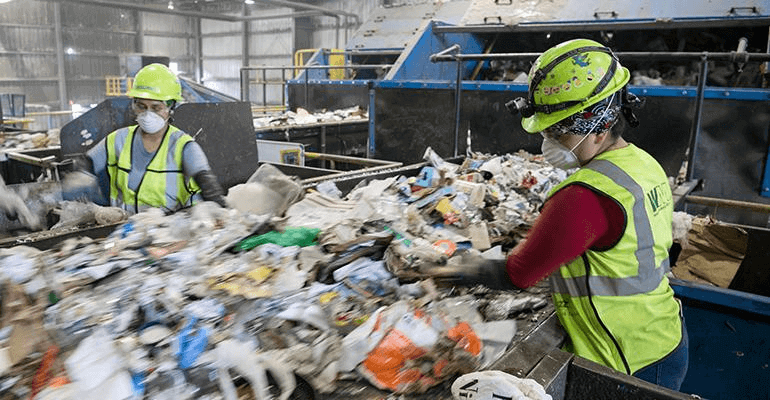
Recycling Waste Materials Business Plan
When preparing a business plan for a Recycling Waste Materials Business, there are several important steps to take:
- Research: Conduct thorough research into the industry, looking at existing businesses and the potential opportunities to enter the market. Gather information about the costs, regulations, and processes associated with recycling waste materials.
- Plan: Develop a comprehensive plan that outlines the goals, costs, and strategies associated with the business. Consider the potential risks and rewards associated with the venture, and create a timeline for success.
- Financing: Identify sources of funding that are available for the business, such as grants, loans, and investments. Develop a budget and cash flow projections, as well as a plan for repayment of any debt.
- Implementation: Put the plan into action by identifying suppliers, recruiting personnel, and establishing a marketing plan. Establish procedures for collection and delivery of materials, as well as tracking and managing waste.
Implementation: Put the plan into action by identifying suppliers, recruiting personnel, and establishing a marketing plan. Establish procedures for collection and delivery of materials, as well as tracking and managing waste.
Want a Recycling Waste Materials Business Plan Template?
Business Model
The business model for a recycling waste materials business is based on collecting, sorting, and selling recyclable materials to manufacturers or end-users. The business will collect waste materials from residential, commercial, and industrial sources, sort them into different categories, and then sell the materials to companies that use them to manufacture products.
The business model will involve both direct and indirect revenue streams. The direct revenue streams will include the sale of the recycled materials, which should be priced at a premium to the cost of the material in its raw form. In addition, the business can earn revenue from processing fees for sorting the materials and from collection fees for picking up the waste.
The indirect revenue streams include the savings from reduced waste disposal costs and from the sale of “green” products manufactured with recycled materials. The business will be able to leverage its recycling capabilities to provide manufacturers with access to these materials, and can also provide a “green” marketing angle to its clients.
To ensure success and profitability, the business must have a strong operational model that is able to efficiently collect and sort the materials, as well as a strong sales and marketing plan that is able to leverage the “green” angle and generate interest and demand for the recycled materials. The business should also have a strong customer service model in place, to ensure customers are satisfied with the quality of the materials and the services provided.
Business Summary
The Business Summary for this Recycling Waste Materials business plan outlines the opportunity for this venture to become a leader in the recycling industry. Our goal is to become a trusted provider of sustainable waste management solutions that are cost-effective, efficient, and environmentally-friendly.
This business plan outlines our strategy for achieving this goal by focusing on the following areas:
- Procurement of materials: We will utilize an efficient procurement system to acquire recycled materials from a variety of sources including local governments, businesses, and individuals.
- Processing of materials: We will utilize a state-of-the-art recycling facility to process collected materials into high-quality products that can be sold in the marketplace.
- Marketing of products: We will create a comprehensive marketing plan to promote our products to target markets and drive sales.
- Innovation: We will continually seek out new ways to improve our services and products, such as developing new recycling technologies and creating alternative uses for recycled materials.
We are confident that our business plan will enable us to become a leader in the recycling industry and create a sustainable waste management solution for our customers. We look forward to building a successful business that is both socially responsible and profitable.
Marketing Plan
A successful marketing plan is essential for any business, particularly one in the recycling waste materials industry. To effectively reach potential customers, you must have a comprehensive understanding of who your target market is and what they need.
- Target Market:
Your target market should include anyone who uses recyclable materials, such as businesses, institutions, and individuals. You should also consider targeting municipalities, which often have specific recycling requirements.
- Marketing Strategies:
Once you have identified your target market, you can begin to develop a marketing plan to reach them. It is important to consider both traditional and digital marketing strategies.
- Traditional Marketing: Traditional strategies such as direct mail, print advertising, radio, and television can be effective for reaching your target market. Additionally, attending local events and trade shows can be an excellent way to get the word out about your services.
- Digital Marketing: Digital strategies such as social media, email marketing, search engine optimization (SEO), and pay-per-click advertising (PPC) can be very effective in driving traffic to your website.
- Monitoring and Evaluation:
It is important to track and measure the success of your marketing efforts. This will help you determine which strategies are working and which ones need to be adjusted or abandoned. You should also establish a system for collecting customer feedback and using it to improve your services.
By developing and implementing an effective marketing plan, you can ensure that you reach your target market and maximize your success.
Financial Projections
Financial projections are a crucial part of any business plan. When it comes to a recycling waste materials business plan, it’s important to have realistic projections that accurately reflect the potential of the business. Here are some tips on how to prepare a financial projections section for a recycling waste materials business plan:
- Research the Market: Research the market to get an understanding of the current recycling landscape. This will help you determine the potential for your recycling business and the expected growth rate.
- Calculate Start-Up Costs: Calculate the start-up costs of your recycling business. This includes operational costs such as equipment, personnel, advertising and other costs related to launching the business.
- Estimate Revenue: Estimate the expected revenue from recycling activities. This should include estimates for the sale of materials, as well as any other sources of income such as grants or contracts.
- Project Expenses: Project the expenses associated with running your recycling business. This should include personnel costs, maintenance, marketing, and other operational costs.
- Create Financial Models: Create financial models for your business based on the research you’ve done and the projections you’ve made. Use these models to estimate the profitability of your recycling business and to measure success.
- Analyze Risk: Analyze the potential risks associated with your recycling business. This includes market fluctuations, legal issues, or changes in technology that could impact your business.
By following these steps, you should be able to create realistic financial projections for your recycling waste materials business plan. This will help ensure that you have an accurate picture of the potential of your business and the expected growth rate.