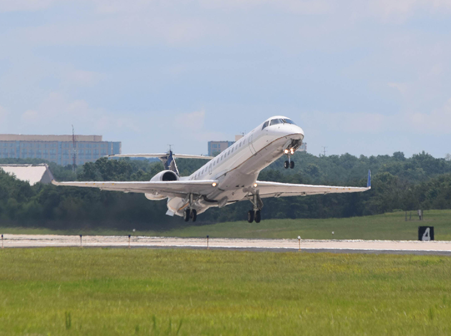
The business model for a Regional Airline primarily revolves around providing short-haul flights within a specified region. The main sources of revenue for the airline are ticket sales, cargo services, and ancillary services such as in-flight meals and beverages, car rentals, and other services.
Ticket sales are the primary source of income for a Regional Airline. The airline must determine the number of flights that will be offered, the frequency of those flights, and the number of passengers that will be served. In addition, the airline must decide on pricing strategies, such as discounts for frequent fliers, that will increase the number of passengers served.
Cargo services are another important source of revenue for a Regional Airline. The airline can offer freight services to businesses and individuals, allowing them to ship goods within the region. The airline must determine the size and weight restrictions for the cargo, as well as the pricing for the service.
Ancillary services are a third source of revenue for a Regional Airline. These services include in-flight meals and beverages, car rentals, and other services. The airline must determine the pricing for these services and decide on the type of services that will be offered.
Finally, the airline must determine the costs associated with operating the business. These costs include aircraft maintenance, fuel costs, labor costs, and other costs. The airline must also determine the capital requirements, such as the acquisition of aircraft and other equipment, that are necessary for the business to operate.
By carefully analyzing the sources of revenue and costs associated with running a Regional Airline, the business can develop a sound business model that will provide the necessary revenue to support its operations.