Sports Equipment Retail

Business Plan Articles

If you are looking to start a successful sports equipment retail business, then a comprehensive business plan is a must. A well-crafted business plan is essential in order to set goals, measure progress, and ensure that the business is on track and meeting its objectives. The following steps will help you prepare a comprehensive business plan that will give your sports equipment retail business the best chance for success.

Your business plan should be comprehensive and include all aspects of your business. It should include a market analysis, financial statements, and a marketing plan. Additionally, you should detail your mission and vision, describe the services and products you will provide, and outline your competitive advantage. With this information, you can build a framework for your business and create a roadmap for success.

Your business plan should also include an executive summary that outlines the key points of your plan. This summary should explain the purpose of your business, the products or services you offer, and how you plan to differentiate your business from the competition. It should also include your financial projections and a timeline for reaching your goals.

By following these steps and taking the time to write a comprehensive business plan, you will be well on your way to launching a successful sports
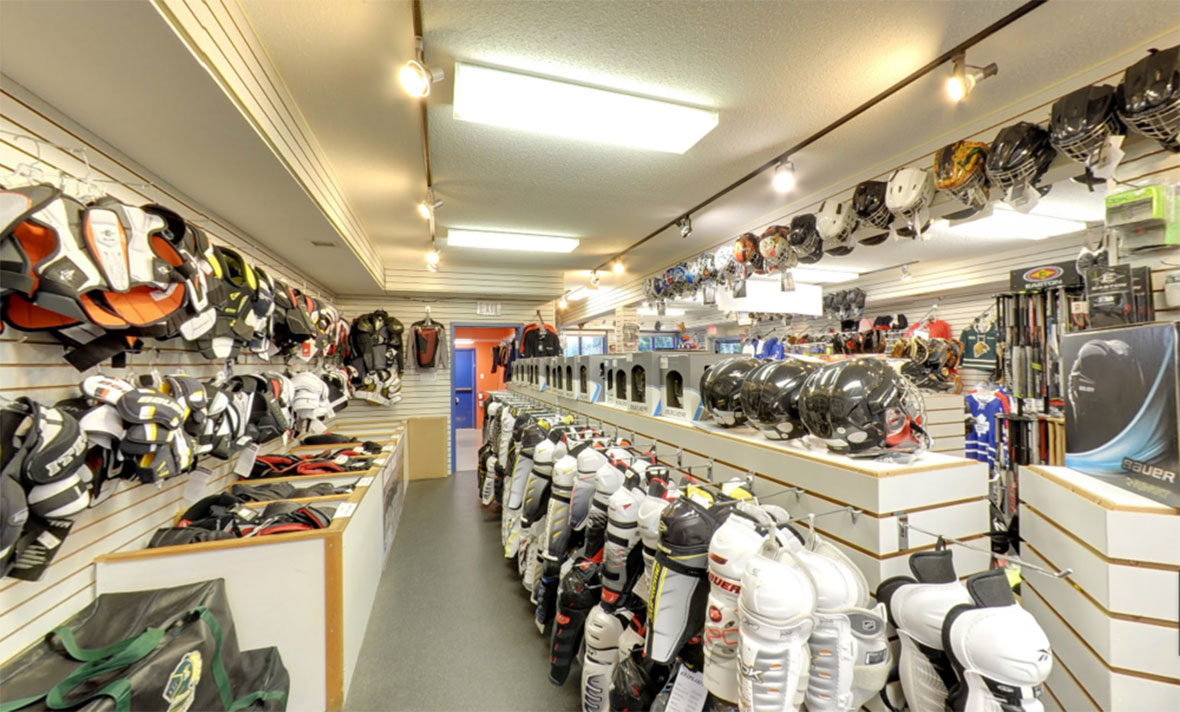
supermarket business plan

Sports Equipment Retail Business Plan

When writing a business plan for a sports equipment retail business, it’s important to consider the needs of customers. Make sure to include sections in the plan that cover what products and services you’ll offer, how you’ll market the business, and how you’ll manage costs.

When writing a business plan for a sports equipment retail business, it’s important to understand the needs of your customers. You should outline the products and services you’ll offer, explain your marketing strategy, and detail your plans for managing costs. Consider researching the market to learn about the latest trends in sports equipment, and make sure to include any competitive advantages you may have. Additionally, consider how you will price your products to ensure you remain competitive and profitable. Finally, make sure to include a budget and forecast to show how you’ll cover expenses and reach your goals.

Want a Sports Equipment Retail Business Plan Template?

Business Model

The business model for our sports equipment retail business is one of providing quality sports equipment at competitive prices. We will focus on offering a variety of sports equipment, including clothing, footwear, and accessories from top brands in the industry. We will also offer a selection of reasonably priced generic products.

Our products will be sold both in-store and online. Our retail store will be located in a prime location with high foot traffic and visibility. We will also have a well-designed website with an easy-to-use shopping cart and payment system.

To ensure success, we will partner with reliable suppliers who can provide us with quality products at competitive prices. We will also invest in a comprehensive marketing campaign to promote our business. This will involve advertising in local media, utilizing social media, and attending relevant sports events.

We will also provide excellent customer service in-store and online. Our team will be knowledgeable and helpful, assisting customers in finding the right product for their needs. We will ensure that products are delivered quickly and efficiently, and that any customer queries are promptly answered.

Overall, our business model will focus on providing quality sports equipment at competitive prices, backed by excellent customer service and a comprehensive marketing strategy. This will ensure that we remain competitive and successful in an increasingly crowded retail market.


Business Summary

The Sports Equipment Retail business plans to open a retail store selling sports equipment, apparel, and accessories. The store will provide a wide selection of sports equipment and apparel to meet the needs of the local community. We will carry the latest sports equipment, apparel, and accessories from popular brands, as well as a variety of affordable and high-end options. Our goal is to provide a one-stop shopping experience for all of our customers’ sporting needs. We will also offer a variety of services such as repair and customization, free shipping, and in-store pickup. We plan to offer excellent customer service, competitive pricing, and a wide variety of products to ensure customer satisfaction. Our retail store will be located in a high-traffic area and will offer convenient parking for customers. We plan to use a variety of marketing strategies, including online and traditional media, to attract customers. We believe our store will be a success due to our focus on excellent customer service and providing customers with quality products at competitive prices.


Marketing Plan

The marketing plan for a sports equipment retail business should focus on three main objectives: increasing brand awareness, driving traffic to the store, and building customer loyalty.

Brand Awareness: Develop a strong brand identity through targeted campaigns, both online and offline. This could include developing a presence on social media, creating a website and blog, partnering with local sports teams and leagues, and advertising in local print and broadcast media.

Driving Traffic: Utilize targeted advertising and promotions to drive traffic to the store. This could include targeted email campaigns, coupons and special offers, in-store events and promotions, and online ads. Develop relationships with local schools and sports organizations to generate referrals and drive traffic.

Building Customer Loyalty: Develop a loyalty program for frequent customers, such as discounts or special offers. Offer rewards for referrals, and host in-store events and promotions to encourage repeat customers.

Overall, it is important to develop a comprehensive marketing plan to ensure the success of the sports equipment retail business. A strong marketing plan should focus on increasing brand awareness, driving traffic to the store, and building customer loyalty.


Financial Projections

When creating a business plan, it is essential to include financial projections to provide potential investors with an understanding of the company’s financial health. For a sports equipment retail business, this section should focus on the costs associated with launching the business, any investments that will be required, and the expected profits.

Start-up Costs: Outline the initial costs for setting up the business. This could include the cost of setting up a physical store, purchasing inventory, and hiring employees.

Investments: Include any necessary investments that will be required to keep the business running. This could include investments in technology, marketing, and any other necessary tools.

Revenue Projections: Estimate the expected revenue of the business over a period of time. This should take into account the projected sales, as well as any other sources of income such as sponsorships, sales of merchandise, and additional services.

Expense Projections: Estimate the expected expenses of the business over a period of time. This should include the cost of rent, salaries, supplies, and any other expenses associated with running the business.

Profit Projections: Estimate the expected profits of the business over a period of time. This should include an assessment of the expected revenue and expenses, in order to determine the expected profit margin.

By including financial projections in your business plan, investors will have a better understanding of the company’s financial health. This will help them make an informed decision when considering investing in the business.


What is Included in Our Custom Sports Equipment Retail Business Plan?


  • Marketing Plan
  • SWOT Analysis
  • Competitive Analysis
  • Profitability Analysis
  • Personnel Plan
  • Organizational Chart
  • Company Valuation
  • Executive Summary
  • Company Description
  • Keys to Success
  • Three Year Objectives
  • Product or Service Description
  • Market Research
  • Fundraising Support
  • 12 Month & 3 Year Profit & Loss
  • 3 Year Balance Sheet
  • 12 Month & 3 Year Sales Forecast
  • 12 Month & 3 Year Cash Flows
  • Break-Even Analysis
  • Financial Ratio Analysis
  • Management Team

The ultimate

Sports Equipment Retail
Business Plan Template
For Startups

Supermarket Business Plan

A Business Plan Built By The Leading Experts

Regardless if you are opening a new business, or expanding an existing one, having a business plan can help you to make more informed decisions and manage your money. It is also required by many lenders as part of your loan application.

This business plan template is updated annually to reflect the most up-to-date information on how to create a profitable operation. It was created by Chase Hughes, our CEO, and has evolved over hundreds of client engagements over the past 10+ years to become the backbone of operations and management for 1,000s of entrepreneurs.

fresho

Project future revenues using real industry data

Fully-compatible with Microsoft Excel and Word.

Critical information for operating and running the business.

Annually updated market research specific to your market.

fresho

What is a Business Plan?

A Business Plan is a description of the business, market, and expected financials. Plans may be used to increase sales and profitability, outperform competitors, and used to obtain bank loans or investor funding.

For startup founders and small business owners, the Business Plan is a fundamental resource for managing the business and making educated business decisions about the company’s future.

There’s no need to reinvent the wheel, though. There’s a standardized set of information and variables for most small businesses including the financial model, market research, and basic business overview that most executives are familiarized with.

Business Description

Summary of what it does, how it operates, key staffing and operations procedures, risk & success factors, and management team bios.

Market Research

Third-party information on the market size, key trends, growth rates, and competition both overall and for a specified region.

Financial Projections

Complete financial projections including Revenue, Cost of Goods Sold, and Operating Expenses to produce Profit & Loss statement, Cash Flow statement, and Balance Sheet.

Marketing Plan

Comprehensive plan including market launch, social media, promotional strategies, pricing strategy, and web presence.