Sports Memorabilia

Business Plan Articles

Creating a business plan is an essential part of starting any new business. A business plan provides a road map for your business and is vital for successful operations. It also serves as a tool to attract potential investors, lenders, and partners. Preparing a business plan requires extensive research, organization, and analysis, but the effort is worthwhile.

This guide is designed to help you create a comprehensive business plan for a sports memorabilia business. It will provide an overview of the market and the industry, explain the necessary steps for launching and operating a successful business, and provide financial information and strategies to get your business off the ground. With a thoughtful and detailed business plan, you will be well on your way to success in the sports memorabilia industry.

supermarket business plan

Sports Memorabilia Business Plan

When preparing your Sports Memorabilia Business Plan, it’s important to keep in mind the purpose of the document. This plan should provide an overview of the business, its goals, and its strategies for achieving those goals. Additionally, it should outline the necessary resources, timeline, and budget.

Creating a business plan for a Sports Memorabilia business can be a daunting task. However, there are a few key elements that should be included to ensure success. Start by defining your target audience and outlining your goals. What is the purpose of your business? Who are you trying to reach? What are your objectives? Once you have a clear understanding of your business and its goals, you can begin to outline the strategies and resources needed to make your plan a reality. Consider your budget, timeline, and any necessary partnerships or investments. Finally, ensure that your plan is clear and concise, and reflects your commitment to success. With a comprehensive plan in place, you can confidently move forward with your Sports Memorabilia business.

Want a Sports Memorabilia Business Plan Template?

Business Model

The business model for this Sports Memorabilia business plan is simple: we will acquire, store, and resell sports memorabilia to our customers. We anticipate that our customers will primarily be passionate sports fans and collectors, as well as individual investors looking to purchase memorabilia for resale. To ensure that we have the best selection possible, we will actively search for rare, limited edition, and hard-to-find items from various sources, including online auctions, private sellers, and estate sales.

We plan to use a variety of marketing strategies to reach our target customers. These include developing an online presence through a website and social media channels, as well as traditional tactics such as print advertisements, networking, and word-of-mouth. We will also look to form strategic partnerships with sports teams, athletes, and other businesses.

Finally, we will use a variety of payment methods to make it easy for our customers to purchase our products. These include credit cards, PayPal, and other methods. We anticipate that customers will also want to pay with cash or check, and we will be able to accommodate those requests as well.


Business Summary

Sports memorabilia is a booming industry that can make a great addition to any business portfolio. As an aspiring business owner, you will need to create a business plan that outlines your goals and strategies for success. The business summary is one of the most important sections of your plan, as it provides an overview of your business and its objectives.

The business summary for a sports memorabilia business plan should include an overview of the business concept, its target customers, the products or services offered, and the competitive advantage of the business. Additionally, you should provide a brief description of the management team, any relevant partnerships or affiliations, and a realistic financial projection.

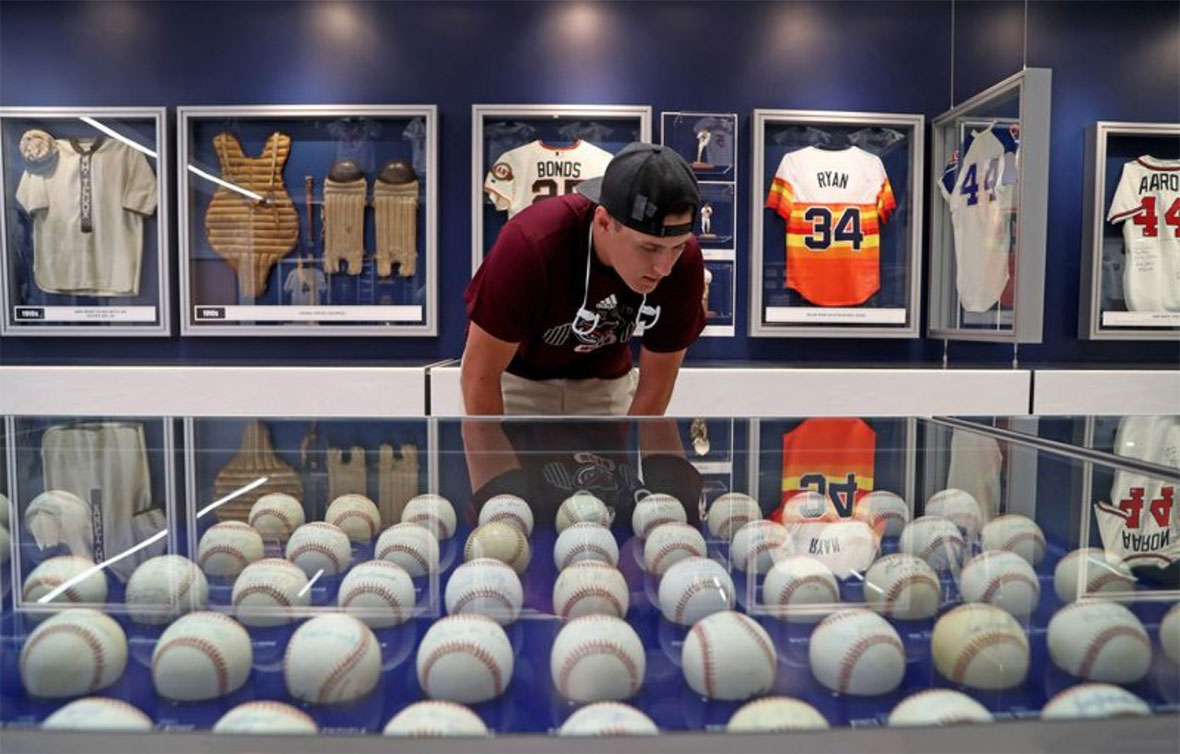
The concept of your sports memorabilia business should be detailed in the business summary. Explain the type of memorabilia offered, such as autographed jerseys, signed photos, or vintage collectibles. Additionally, you should provide information on the target customers for your business. Who is the ideal customer for your sports memorabilia business?

Next, explain the products or services that your business provides. Do you offer framing services or a subscription service for memorabilia collectors? Be sure to provide a clear description of what your business offers.

The competitive advantage is an important factor when creating your business plan. What sets your business apart from its competitors? Explain why customers should choose your business over others.

Finally, provide a brief description of your management team and list any relevant partnerships or affiliations. This will give investors or lenders an idea of the experience and resources that your business has. Also, include a financial projection that outlines the expected revenue, expenses, and profits of your business.

By including a comprehensive business summary in your sports memorabilia business plan, you can demonstrate to potential investors and lenders that you have a sound business concept and a clear plan for success.


Marketing Plan

Creating an effective marketing plan is essential for the success of any business. A marketing plan for a sports memorabilia business should include the following components:

  • Target Market: It is important to identify the target market for the sports memorabilia business. This includes determining the age group, gender, and geographic location of potential customers. Researching the local sports memorabilia market can help to create an accurate picture of the target audience.
  • Positioning: Developing a clear positioning statement is essential for the sports memorabilia business. This statement should address the benefits and value of the sports memorabilia and how it is different from competitors.
  • Branding: Establishing a strong brand identity is key for any business. It is important to create a logo, color scheme, and messaging that resonates with the target customer.
  • Pricing: Setting the right pricing strategy is essential to maximize profits. Consider the cost of production and potential customer demand when setting prices.
  • Distribution: Deciding on the best way to distribute the sports memorabilia is important for success. Consider selling the items online, setting up a retail store, or partnering with other retailers.
  • Promotion: Promoting the sports memorabilia business is important to generate demand. This can include using social media, advertising, and public relations.

By following the guidelines above, the sports memorabilia business should be able to create an effective marketing plan that will help to drive success.


Financial Projections

The financial projections for a Sports Memorabilia business plan should include a comprehensive overview of the expected income and expenses associated with the business. This section should provide a comprehensive look at the expected profitability of the venture.

  • Revenue Projections

    The first step in estimating the revenue projections for a Sports Memorabilia business plan is to make an educated guess regarding the number of customers that the business will attract. This can be based on the size of the local market, the type of products being offered, and the marketing efforts being launched. Additionally, it is important to estimate the average amount that each customer will spend each time they visit the store.

  • Expense Projections

    The second step in estimating the financial projections for a Sports Memorabilia business plan is to make an educated guess regarding the expenses associated with running the business. This includes the cost of goods sold, payroll expenses, rent and utilities, marketing costs, and any other expenses associated with running the business. It is important to accurately estimate these expenses in order to determine the profitability of the venture.

  • Break-Even Point

    The third step in estimating the financial projections for a Sports Memorabilia business plan is to calculate the break-even point. This is the point at which the revenue generated by the business is equal to the expenses associated with running the business. This is an important indicator of the viability of the business and should be calculated accurately.

  • Cash Flow Projections

    The fourth step in estimating the financial projections for a Sports Memorabilia business plan is to make an educated guess regarding the expected cash flow. This includes estimating the amounts of money that will be coming in and going out on a regular basis. This includes cash from sales, payments to suppliers, payments to employees, and any other cash flow related to the business.

  • Profitability Projections

    The fifth step in estimating the financial projections for a Sports Memorabilia business plan is to make an educated guess regarding the expected profitability of the venture. This includes estimating the expected revenues and expenses associated with the business, as well as calculating the expected profits.

  • Conclusion

    The financial projections for a Sports Memorabilia business plan should provide a comprehensive overview of the expected income and expenses associated with the venture. This includes accurately estimating the number of customers that the business will attract, the cost of goods sold, payroll expenses, rent and utilities, marketing costs, and any other expenses associated with running the business. Additionally, it is important to calculate the break-even point and estimate the expected cash flow and profitability of the venture.


What is Included in Our Custom Sports Memorabilia Business Plan?


  • Marketing Plan
  • SWOT Analysis
  • Competitive Analysis
  • Profitability Analysis
  • Personnel Plan
  • Organizational Chart
  • Company Valuation
  • Executive Summary
  • Company Description
  • Keys to Success
  • Three Year Objectives
  • Product or Service Description
  • Market Research
  • Fundraising Support
  • 12 Month & 3 Year Profit & Loss
  • 3 Year Balance Sheet
  • 12 Month & 3 Year Sales Forecast
  • 12 Month & 3 Year Cash Flows
  • Break-Even Analysis
  • Financial Ratio Analysis
  • Management Team

The ultimate

Sports Memorabilia
Business Plan Template
For Startups

Supermarket Business Plan

A Business Plan Built By The Leading Experts

Regardless if you are opening a new business, or expanding an existing one, having a business plan can help you to make more informed decisions and manage your money. It is also required by many lenders as part of your loan application.

This business plan template is updated annually to reflect the most up-to-date information on how to create a profitable operation. It was created by Chase Hughes, our CEO, and has evolved over hundreds of client engagements over the past 10+ years to become the backbone of operations and management for 1,000s of entrepreneurs.

fresho

Project future revenues using real industry data

Fully-compatible with Microsoft Excel and Word.

Critical information for operating and running the business.

Annually updated market research specific to your market.

fresho

What is a Business Plan?

A Business Plan is a description of the business, market, and expected financials. Plans may be used to increase sales and profitability, outperform competitors, and used to obtain bank loans or investor funding.

For startup founders and small business owners, the Business Plan is a fundamental resource for managing the business and making educated business decisions about the company’s future.

There’s no need to reinvent the wheel, though. There’s a standardized set of information and variables for most small businesses including the financial model, market research, and basic business overview that most executives are familiarized with.

Business Description

Summary of what it does, how it operates, key staffing and operations procedures, risk & success factors, and management team bios.

Market Research

Third-party information on the market size, key trends, growth rates, and competition both overall and for a specified region.

Financial Projections

Complete financial projections including Revenue, Cost of Goods Sold, and Operating Expenses to produce Profit & Loss statement, Cash Flow statement, and Balance Sheet.

Marketing Plan

Comprehensive plan including market launch, social media, promotional strategies, pricing strategy, and web presence.