
If you are looking to start a vending services business, having a sound business plan is essential. A business plan is the key to success in any business venture and will provide you with the roadmap you need to achieve your goals. Preparing a business plan for a vending services business requires careful consideration of the market, your financial needs, and the specific services you plan to offer. In this article, we will provide an overview of the steps you need to take to create a successful business plan for your vending services business. From identifying your target market to determining the necessary funding and resources, this guide will walk you through the process of creating a business plan that will help you achieve success.


Vending Services
Business Plan Articles
Vending Services Business Plan
It is important to have a comprehensive and well-thought-out business plan when starting a vending services business. A business plan should include a mission statement, a market analysis, a competitive analysis, a financial plan, and a marketing plan.
When preparing a business plan for a vending services business, it is important to include a mission statement that identifies the purpose and values of the business. Additionally, it is important to conduct a market analysis to determine potential customers and the size of the market. This should be followed by a competitive analysis to evaluate the competition in the area and identify potential advantages. The business plan should also include a financial plan to outline the expected start-up costs and ongoing expenses. Finally, a marketing plan should be included to outline strategies for generating customers and increasing revenue. All of these components should be included to ensure a comprehensive and thorough business plan.
Want a Vending Services Business Plan Template?
Business Model
Creating a successful business model is a key component of any successful business plan. For a vending services business, the model should focus on three main components: pricing, service, and marketing.
- Pricing
The pricing model for a vending services business should be structured to generate healthy profits while still being attractive to potential customers. In order to determine the best pricing, research must be conducted to understand the competitive landscape and the current industry standards. Considerations should include the cost of goods, overhead, and any related expenses.
- Service
Service is key to success in the vending services industry. Customers must be satisfied with the quality of the goods and the speed of delivery. The business should establish a reputation for delivering goods on time and at a good price. This can be done through careful planning, efficient operations, and customer service training.
- Marketing
Once the business model is in place, it is important to create an effective marketing strategy. This should include both traditional and digital marketing, such as advertising, promotions, public relations, and social media. It is important to understand the target market and how to best reach them. The marketing plan should be designed to increase brand awareness and generate sales.
Overall, the business model for a vending services business should be tailored to achieve long-term success. By focusing on pricing, service, and marketing, the business can create a plan that increases profits and sets the business up for success.
Business Summary
The Vending Services business provides a wide range of vending services to clients in the local area. We specialize in providing high-quality vending machines and related services to our clients, including installation, maintenance and stocking services. Our goal is to become the premier vending services provider in our local area.
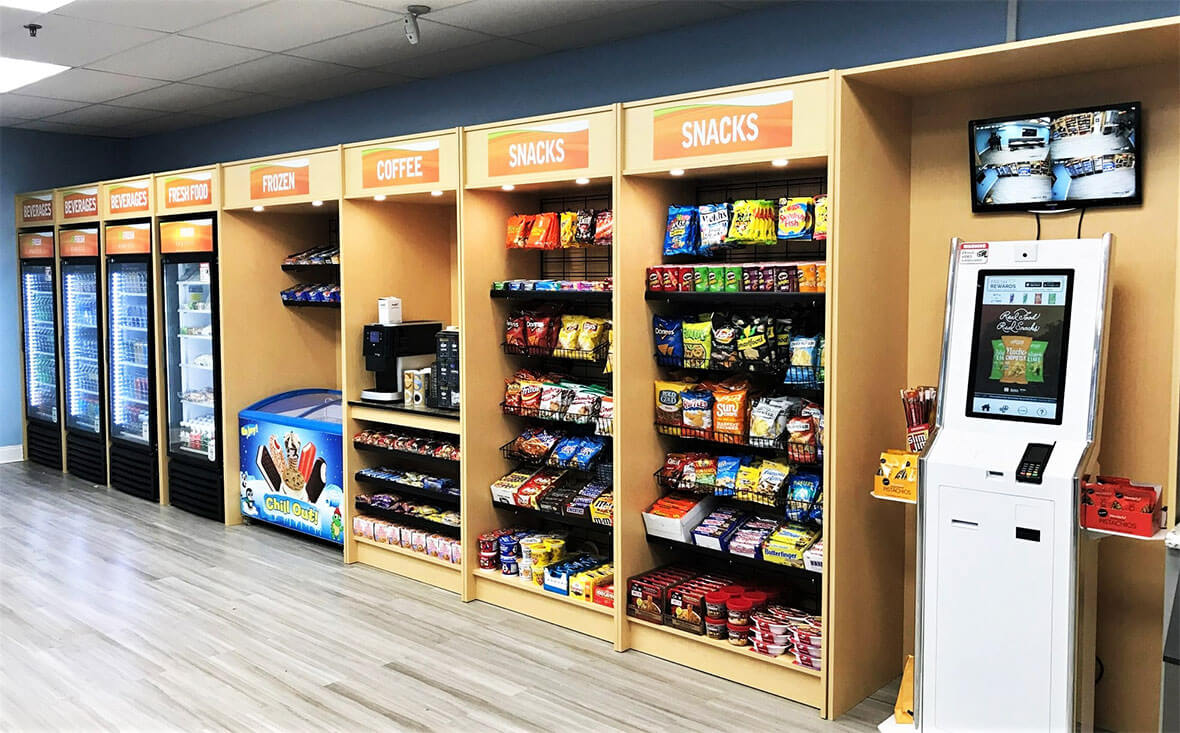
We offer a wide range of vending machines and services, from traditional snack and beverage vending machines to the latest high-tech machines that offer a variety of products. We also offer custom vending solutions for unique customer needs.
We have an experienced team of professionals who are knowledgeable about the vending industry and who have expertise in installation, maintenance and stocking services. Our experienced personnel are dedicated to providing superior customer service and to ensuring that our clients have the best vending experience possible.
We have developed strong relationships with many local businesses and organizations, and we are committed to providing our clients with the highest quality vending services. We plan to continue to grow our customer base in the local area and to expand our services to other areas in the future.
Our competitive advantage lies in our ability to provide high-quality service and the latest technologies. We will continue to invest in the latest technologies and keep our staff up to date on the latest trends in the vending industry. We strive to be the best in the business and to create long-term relationships with our customers.
Marketing Plan
The first step in creating a successful marketing plan for a vending services business is to identify the needs of your target market. Consider the types of products or services your business will provide, the type of customers your business will serve, and the geographic area you will serve.
Once you have identified your target market, you should create a plan to reach them. Develop a comprehensive strategy including online and offline marketing tactics such as traditional media, advertising, public relations, direct mail, and social media.
Your marketing plan should include a budget for each medium, objectives for each tactic, and a timeline for implementation. For example, if you plan to use traditional media, you should consider the cost of creating ads, the size and reach of the media buy, and the frequency of the ads.
Focus your marketing efforts on creating brand awareness and generating leads. Brand awareness is important to establish a strong presence in the marketplace, while leads will help you convert potential customers into paying customers.
Finally, your marketing plan should contain a section on customer relations. This should include a strategy for responding to customer inquiries, providing customer service, and resolving customer complaints.
By following these steps, you will be better prepared to create a successful marketing plan for your vending services business.
Financial Projections
When preparing a business plan for a vending services business, it is important to include a financial projections section. This section should provide an overview of the expected financial performance of the business over the next three to five years.
The first step in creating a financial projections section is to calculate the start-up costs. Start-up costs will include the cost of equipment, licenses and permits, rent or lease payments, and any other upfront costs associated with launching the business.
The next step is to estimate the expected revenues and expenses for the business. Revenues should be based on the cost of goods sold, and the estimated number of items the business will be able to sell per month. Expenses should include the cost of goods sold, overhead costs, labor costs, and any other expected costs associated with running the business.
Once the start-up costs and expected revenues and expenses have been determined, a cash flow projection should be created. This projection should include anticipated cash inflows and outflows, and should estimate the business' overall financial performance for the next three to five years.
Finally, it is important to create a pro forma profit and loss statement. This statement should include estimated revenues and expenses for the next three to five years, as well as a projected net profit margin.
By creating a financial projections section for a vending services business plan, entrepreneurs will be able to gain a better understanding of the potential financial performance of their business over the next few years. With this information, they can then make more informed decisions about the future of their business.
What is Included in Our Custom Vending Services Business Plan?
The ultimate
Vending Services
Business Plan Template
For Startups

Business Plan Templates


A Business Plan Built By The Leading Experts
Regardless if you are opening a new business, or expanding an existing one, having a business plan can help you to make more informed decisions and manage your money. It is also required by many lenders as part of your loan application.
This business plan template is updated annually to reflect the most up-to-date information on how to create a profitable operation. It was created by Chase Hughes, our CEO, and has evolved over hundreds of client engagements over the past 10+ years to become the backbone of operations and management for 1,000s of entrepreneurs.


Project future revenues using real industry data

Fully-compatible with Microsoft Excel and Word.

Critical information for operating and running the business.

Annually updated market research specific to your market.

What is a Business Plan?
A Business Plan is a description of the business, market, and expected financials. Plans may be used to increase sales and profitability, outperform competitors, and used to obtain bank loans or investor funding.
For startup founders and small business owners, the Business Plan is a fundamental resource for managing the business and making educated business decisions about the company’s future.
There’s no need to reinvent the wheel, though. There’s a standardized set of information and variables for most small businesses including the financial model, market research, and basic business overview that most executives are familiarized with.

Business Description
Summary of what it does, how it operates, key staffing and operations procedures, risk & success factors, and management team bios.

Market Research
Third-party information on the market size, key trends, growth rates, and competition both overall and for a specified region.

Financial Projections
Complete financial projections including Revenue, Cost of Goods Sold, and Operating Expenses to produce Profit & Loss statement, Cash Flow statement, and Balance Sheet.

Marketing Plan
Comprehensive plan including market launch, social media, promotional strategies, pricing strategy, and web presence.
Business Plan Templates
Get a free copy of our
Financial Modal Template
This is a functional model you can use to create your own formulas and project your potential business growth. Instructions will be included on the front page.
