You will likely need a general business license or permit to operate. You may also need special licensing for operating commercial laundry equipment, handling and transporting hazardous materials (dry cleaning chemicals), and providing delivery services. Requirements vary in different areas so check with your local municipality.
How much does it cost to start a dry cleaning home delivery business?
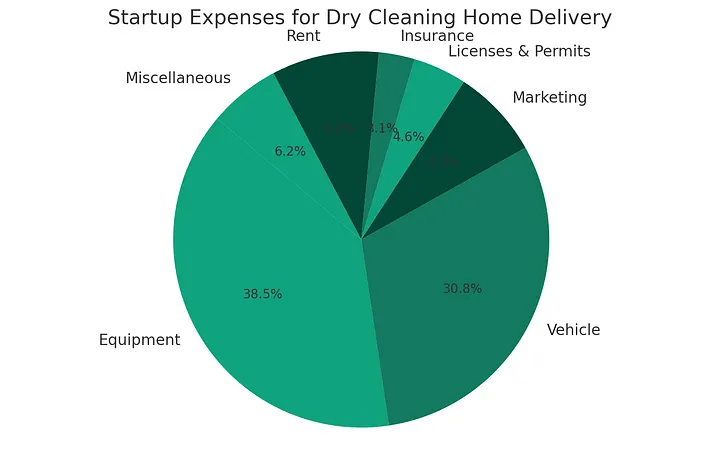
Startup costs for a dry cleaning home delivery service can range from $50,000 to $500,000 depending on the scale of your operations. Costs include professional laundry and dry cleaning equipment ($30,000-$200,000), delivery vehicles ($20,000-$50,000), facility rent and buildout ($10,000-$100,000), inventory, and working capital. You’ll also need funding for initial marketing, hiring staff, and unexpected expenses.
What are the keys to success in this industry?
The keys to success for a dry cleaning home delivery service are:
• Providing high quality, efficient service. Quick turnaround times and a focus on customer satisfaction are musts.
• Convenience and flexibility. Offer options like same-day service, extended hours, and delivery/pickup. Make it easy for customers to do business with you.
• Competitive, value-based pricing. Charge enough to maintain your profit margins but stay affordable for your target customers. Consider offering bundled or subscription pricing.
• Effective marketing. Build awareness of your services through social media, online ads, flyers/mailers, referral programs, and word-of-mouth. Offering introductory promotions can help acquire new customers.
• Managing costs. Control expenses through strategic planning, bulk purchasing, preventative equipment maintenance, and efficient operational processes. Keep labor and capital costs in line with your financial projections.
• Adapting to changes. Respond to trends in factors like environmental regulations, fabric/care technologies, and customer preferences. Make changes to stay compliant, competitive, and convenient. Consistently improve your services and business practices.
- Maintaining high customer loyalty and retention. Earn repeat business through quality work, great service, rewards programs, and customer engagement/feedback. It is more profitable to retain existing customers than acquire new ones.