
15 Minutes Read
Creating A Winning Business Model
We see many entrepreneurs come to us with brilliant ideas an inventions, but the business model is lacking in some…

Last Updated: 12/17/2023
Are you an entrepreneur looking to start your own construction company? That’s great news! The construction industry presents many opportunities for growth. However, to be successful you need to go in with a solid plan. A construction business plan outlines your company’s vision, strategies, and financial projections. It shows investors your growth potential and helps guide your decision making.
Writing a compelling construction business plan may seem challenging, but we’re here to help break it down into easy steps. The key is to be thorough while keeping things concise and reader-friendly. Focus on the essential elements: your mission, target market, project scope, timeline, budget, and regulatory compliance. With the right plan and persistence, you’ll be well on your way to launching your construction business.
A construction business plan is critical for new companies seeking investment or loans. It demonstrates to lenders and investors that you have a viable concept and realistic path to profitability. A good plan should outline:
•Your company mission and vision. What do you aim to achieve?
•Your target market. Who will buy your services and why?
•Your business model. How will your company operate and generate revenue?
•Projected financials. Forecast your costs, revenues, cash flow, and key metrics over 3–5 years.
•Milestones and timelines. Map out key steps and deadlines to achieve your goals.
•Risk analysis. Identify potential threats and your strategies to address them.
•Opportunities for growth. Highlight areas you can expand into as you succeed.
With a polished business plan, you’ll gain credibility and be in a better position to secure the funding and resources you need to launch. You’ll also have a roadmap to guide your decision making and help avoid costly mistakes.
Need a Construction Business Plan?
Create a custom business plan with financial projections and market research in minutes with ProAI’s business plan generator.
Here are the essential sections to include in your construction business plan:
The executive summary is your chance to make a strong first impression. Concisely summarize your company mission, vision, target market, business model, competitive advantage, and financial projections. Your goal is to capture readers’ interest so they want to dive into the full plan.
Describe your company vision and mission. Explain your business model and ownership/management structure. Highlight any competitive advantages you have, e.g. niche expertise, innovative processes, valuable partnerships. Discuss your company culture and commitment to quality, safety, and regulatory compliance.
Analyze your target market segments in depth. Discuss trends, growth opportunities, and risks in the construction industry that might impact your business. Profile your major competitors and their strengths/weaknesses. Explain how you’ll differentiate yourself and gain market share.
Lay out the specific projects you aim to complete in the next 1–3 years. Describe the work required, materials, equipment, labor, timelines, and budgets for each major project. Discuss how you will ensure high quality results that meet or exceed customer expectations. Highlight any unique challenges presented by the projects and how you will address them.
Describe how your company will operate on a day to day basis. Explain your resources, processes, and systems for managing projects efficiently and profitably. Discuss how you will recruit and retain top talent. Highlight your commitment to safety, training, and regulatory compliance. Map out your operational milestones and timelines over the next few years.
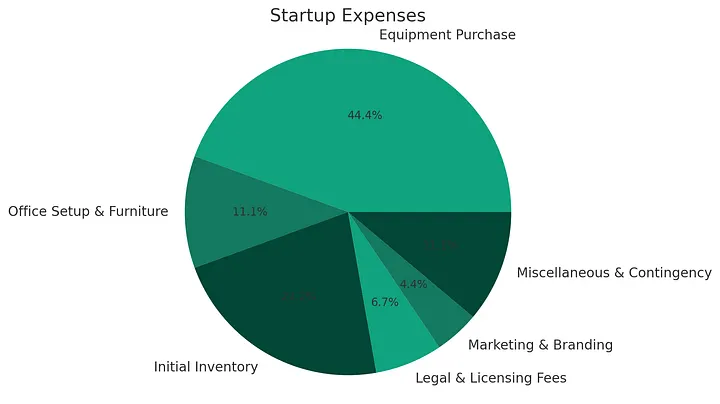
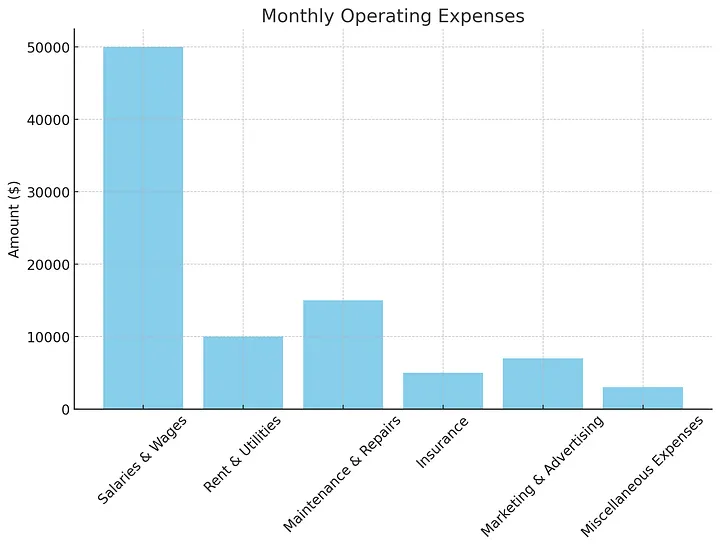
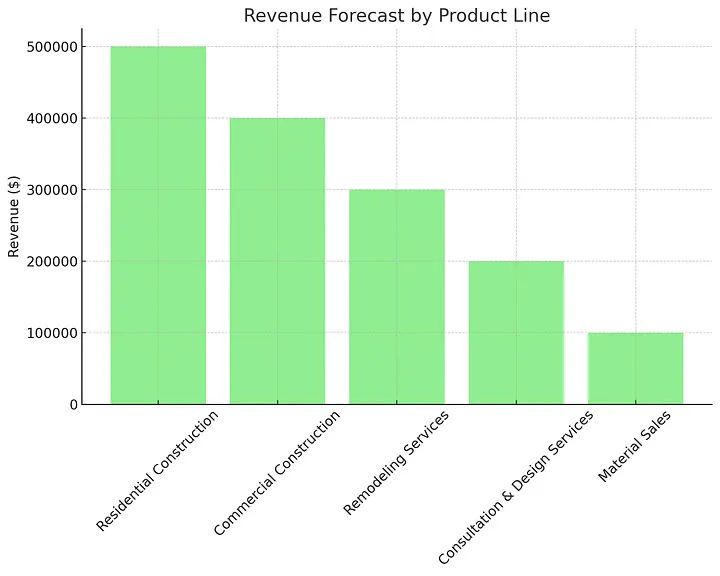
Forecast your financial performance over 3–5 years. Project revenues, costs, profit margins, cash flow, balance sheet, key ratios, and other relevant metrics. Provide assumptions and explanations for your projections. Discuss potential risks that threaten your financials and plans to mitigate them. Highlight key milestones and targets that will make your business profitable and self-sustaining.
Summarize the licenses, permits, and certifications you need to comply with all local, state, and federal regulations. Discuss how you will ensure safety compliance and insurance for your projects. Highlight any industry-specific regulations that apply to your target market segments. Demonstrate your commitment to meeting or exceeding all regulatory requirements.
Describe your strategies for attracting and retaining customers. Discuss how you will reach your target markets through online and traditional marketing channels. Map out your content marketing, advertising, and public relations campaigns. Explain your plans for cultivating referrals and strategic partnerships that drive business growth. Lay out a marketing timeline and budget to achieve your goals.
Need a Construction Business Plan?
Create a custom business plan with financial projections and market research in minutes with ProAI’s business plan generator.
How long should my construction business plan be?
A good construction business plan is typically 15 to 30 pages long. Keep things concise while covering all important points. Focus on quality over quantity.
Do I need professional help to write my construction business plan?
Writing a business plan can be challenging, especially for first-timers. Seeking input from a business planning expert is a good idea. They can provide guidance on content, formatting, and best practices to ensure you develop a high-quality plan. However, you should remain closely involved in the writing process since you know your business best.
How often should I update my construction business plan?
You should review and revise your business plan at least once a year. Construction is an ever-changing industry, and your plan needs to reflect the latest market conditions, technologies, regulations, and opportunities. Significant changes — like rapidly increasing sales, new financing, or a pivot in strategy — also warrant a plan update. Keep your plan fresh and use it as an ongoing management tool.
What’s the best way to organize and present my construction business plan?
Your business plan should have an engaging yet professional design. Use clear section headings, numbered lists, charts, graphs, and photos when appropriate. Ensure all content is concise, compelling, and error-free. Include an executive summary, table of contents, page numbers, and appendices for supplemental materials.
Consider using business plan software like LivePlan, SBA Business Plan Pro, or Enloop to create a polished document with integrated spreadsheets. You can also work with a graphic designer to develop custom charts, graphs, and other visuals that strengthen your message. The overall presentation and ease of reading will make an impact on potential investors reviewing your plan.
With the right mindset and preparation, you can develop a winning business plan for your construction company. Follow our guidelines, get expert input, and don’t be afraid to be ambitious yet realistic in your strategy and projections. Your well-crafted plan will set you up for success in this exciting industry.