
15 Minutes Read
Creating A Winning Business Model
We see many entrepreneurs come to us with brilliant ideas an inventions, but the business model is lacking in some…

Last Updated: 12/17/2023
A business plan for a concierge service is essential for long-term success. It provides a roadmap for how you plan to establish and grow your business. A comprehensive plan is vital for securing financing and investor funding, as it demonstrates your understanding of the industry and how you plan to create a successful business.
Need a Concierge Service Business Plan?
Create a custom business plan with financial projections and market research in minutes with ProAI’s business plan generator.
If you’re new to the concierge service industry, creating a business plan can be challenging. To help get you started, here are the key elements to include:
The executive summary should briefly introduce your concierge service, including your mission statement, proposed services, expected costs, and potential return on investment. Keep this section concise while conveying your vision.
Describe your business in detail, including its legal structure, owners’ backgrounds, short and long-term goals, and how you will achieve them. Discuss how your experience and skills will help your business succeed.
This section should analyze your industry, competitors, and how you will reach potential customers. Discuss current trends in the concierge service industry and opportunities for growth. Evaluate major competitors and what you can learn from them. Outline your marketing strategy and how it will differentiate you.
Focus on the services you will provide and what makes them unique. Discuss how you will keep services up to date and scale them. Explain your pricing strategy, including how prices reflect your costs and target customer base.
Describe your staffing plan, including qualifications and training required for your employees as well as pay, benefits, and management structure. Discuss how you will hire and retain top talent.
Explain how your location supports your business model and target market. Discuss factors like space, layout, parking availability, visibility, and accessibility for customers and employees. Consider how location might impact the types of services you offer.
Research your market to analyze trends, size, and opportunities. Identify customer segments most likely to use your services. Evaluate major competitors to understand differentiators. Develop strategies to stand out.
Define your target market and create a marketing plan to reach them. Build an online presence through social media and your website. Use traditional marketing like ads, flyers, referrals, and word-of-mouth. Offer customer incentives and thank clients for referrals.
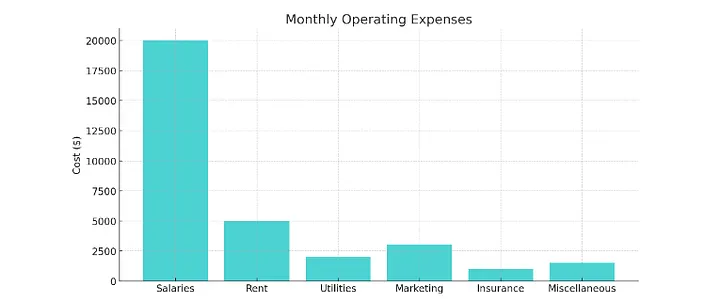
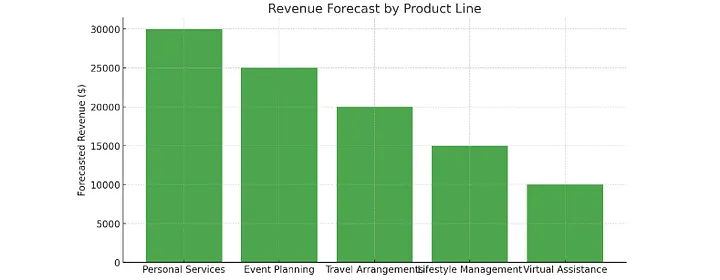
Include profit and loss statements, cash flow projections, and a breakeven analysis. Project costs, sales, and profits for your first years of operation. Use your financials to determine funding needs, savings potential, and investment requirements. Convince investors your business is worth supporting.
Need a Concierge Service Business Plan?
Create a custom business plan with financial projections and market research in minutes with ProAI’s business plan generator.
How much does it cost to start a concierge service?
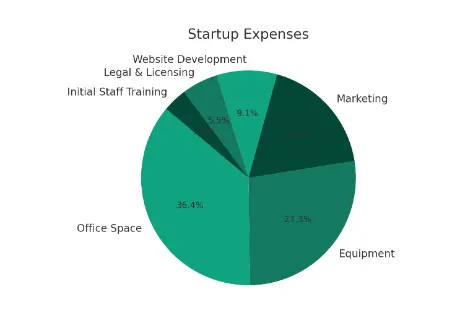
Costs vary but typically range from $10,000 to $100,000 to start a concierge service. Major expenses include office space, vehicles, technology, marketing, and staffing.
What are the skills needed to run a concierge service?
Essential skills for operating a concierge service include:
•Strong organizational and time-management abilities.
•Excellent communication and customer service skills.
•Ability to multitask and think quickly on your feet.
•Knowledge of the local community and businesses.
•Comfort with negotiating and problem-solving.
•Basic technical skills to use software and manage operations.
•Management and leadership skills to oversee employees.
How do I market a concierge service?
Effective ways to market a concierge service include:
•Build a professional website to establish your online presence.
•Create social media profiles to engage potential customers. Post regularly about your services and area of operation.
•Start a referral program and offer incentives for customers to refer others.
•Advertise on platforms like Facebook and Google to reach your target audience.
•Network by joining your local chamber of commerce and business organizations.
•Sponsor local events or charity fundraisers in your community.
•Publish a monthly newsletter highlighting your services and updates. Email it to your customer database and share on social media.
•Advertise in local media like newspapers, radio shows, podcasts, and TV segments.
•Distribute flyers and brochures in high-traffic areas like gyms, coffee shops, and professional spaces.