
15 Minutes Read
Creating A Winning Business Model
We see many entrepreneurs come to us with brilliant ideas an inventions, but the business model is lacking in some…

Last Updated: 12/17/2023
Starting a business in the computer software industry can be an exciting endeavor, especially if you have an innovative idea or product to bring to market. However, to turn your vision into reality, you need a well-crafted business plan. A strong plan is essential for any new computer software retailer to obtain funding, attract investors and partners, identify customers, and ensure long-term success.
A comprehensive business plan is crucial for a computer software retailer. It helps you outline your goals, determine what products and services you will offer, and map out how to operate and market your business. Your plan also serves as a guide for you to follow and helps convince others to support and invest in your company. Without a solid plan in place, you risk failure before you even get started.
Need a Computer Software Retailer Business Plan?
Create a custom business plan with financial projections and market research in minutes with ProAI’s business plan generator.
Creating an effective business plan for a computer software retailer requires research, analysis, and a lot of details. Although it seems daunting, by focusing on the key elements, you can craft a plan to set your business up for success. You can rearrange or emphasize certain sections depending on your audience. Here are the main components to include:
The executive summary provides an overview of your entire business plan. It should convey your vision and mission, proposed concept, key challenges, solutions, target market, competition, financial projections, and goals. This section is critical for attracting investors and partners.
Describe your company in detail, including its legal structure, objectives, ownership details, location(s), and experience. Explain the problem you aim to solve and your solution. Discuss trends in the industry and your competitive advantage.
Analyze your industry, target customer segments, key competitors, and trends. Discuss your industry’s market size, growth rate, key players, and how it’s changing. Explain your customers’ needs, pain points, and preferences. Compare your major competitors’ pricing, marketing, and other strategies. Discuss how you will differentiate and compete.
Elaborate on your products and services, including details about features, pricing, installation, maintenance, and support. Explain any customer loyalty programs or promotions you will offer. Discuss your customer service policies and standards.
Detail your employee structure, including the number of people you need, their roles and responsibilities, compensation, benefits, management, and motivation strategies. For a software retailer, look for people knowledgeable about tech products and excellent customer service.
Discuss your business’s physical location(s) in detail, including factors like space requirements, costs, accessibility, visibility, competition, and potential for growth. Explain how your location aligns with your brand and services. Consider any regulations that could impact your business. If operating online only, discuss shipping, storage, and other logistical details.
Analyze your industry’s landscape, trends, popular products, pricing, risks, and opportunities. Stay up-to-date with the latest tech and software trends, and consumers’ changing needs. Discuss how you will differentiate from competitors and any strategies to overcome potential obstacles or risks.
Explain any external resources you will use, e.g., hiring a business consultant or technical expert to help develop and review your plan. Discuss how these resources will support your business’s success.
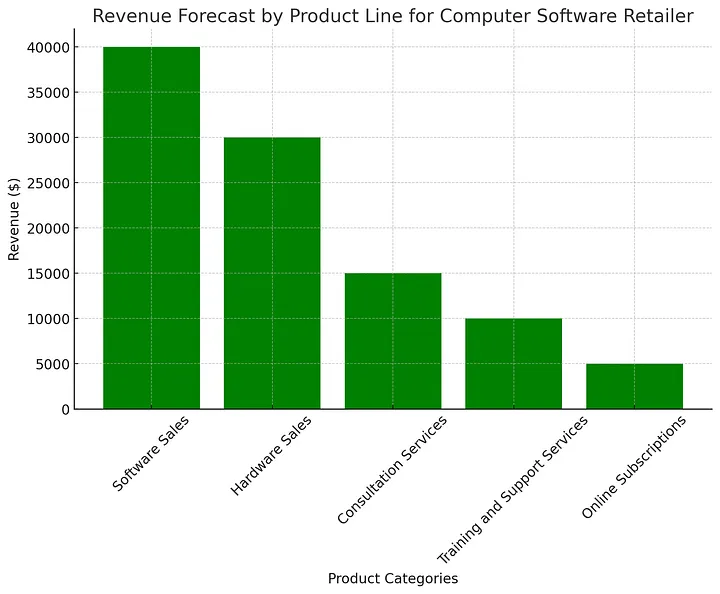
Provide key financial projections and metrics, including income statements, balance sheets, cash flow statements, key ratios and analyses for the next 3 years. Discuss your business’s budget, costs (fixed, variable), capital requirements, and break-even point. This section is critical for demonstrating the potential viability and profitability of your business.
Need a Computer Software Retailer Business Plan?
Create a custom business plan with financial projections and market research in minutes with ProAI’s business plan generator.
What is the typical length of a computer software retailer business plan?
A comprehensive business plan for a computer software retailer will usually be 15 to 25 pages long. The executive summary should be 2 to 3 pages. Each main section of the plan should be around 2 to 5 pages.
What software can I use to create a business plan?
Some of the best software options for writing a business plan include:
• Business Plan Pro — This is dedicated business planning software with tools and templates to help you craft your plan.
• Microsoft Word — If you want a simple word processing option, MS Word works well. It has some basic business plan templates you can use.
• Google Docs — Google’s free word processor allows for easy collaboration with others who are helping you build your plan. It has a basic business plan template to start from.
• LivePlan — This option provides more handholding in the business planning process. It offers interactive guidance and advice to help you through each section of your plan.
Should I include financial projections in my business plan?
Yes, including financial projections in your computer software retailer business plan is essential. Investors and lenders will want to see that you have carefully thought through the financial viability and profit potential of your business.
Your financial projections should include:
• Income statements that project your revenue, expenses, and net income over 3 years.
• Balance sheets that show your business’s assets, liabilities, and equity.
• Cash flow statements demonstrating your ability to generate more cash than you consume.
• Key financial metrics and ratios like gross margin, debt-to-equity, working capital, etc.
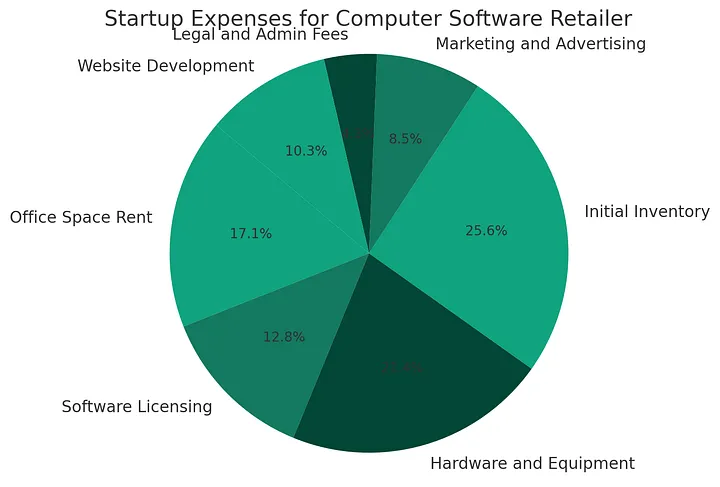
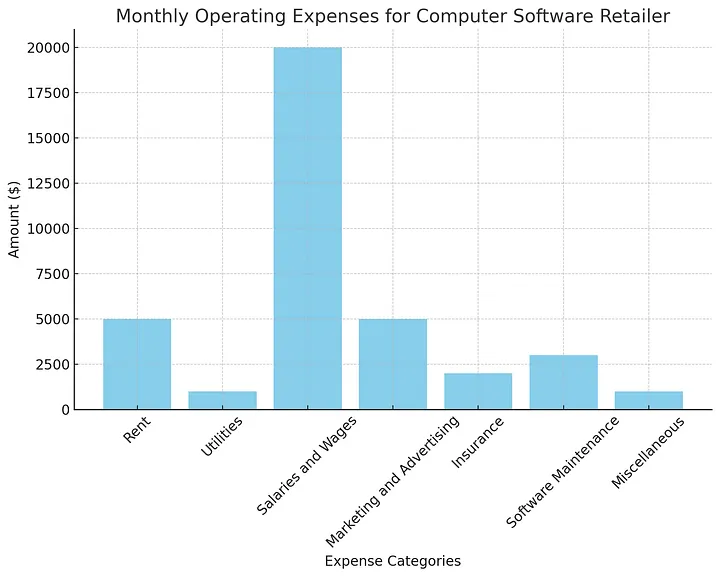
• A budget showing your major costs for starting and operating the business.
• A break-even analysis indicating when your business may become profitable.
Providing this level of financial detail helps instill confidence in the reader that you understand what it will take for your computer software retail business to succeed. Be prepared to discuss assumptions and risks as well.