
15 Minutes Read
Creating A Winning Business Model
We see many entrepreneurs come to us with brilliant ideas an inventions, but the business model is lacking in some…

Starting your own fruit farm can be an extremely rewarding endeavor if done right. With careful planning and preparation, you can turn your dreams of owning a successful fruit farm into a reality. A well-crafted business plan is essential for any agricultural venture, and in this article, you’ll find everything you need to create a comprehensive plan for your fruit farm. From defining your mission and goals to conducting market analysis and financial planning, you’ll find samples and tips to help craft a business plan that will set your farm up for success.
A solid business plan is the foundation of a prosperous agriculture fruit farm. Without proper planning, it’s impossible to accurately determine startup costs, resources required, and projected profits. A good plan can also help secure funding from investors and lenders by demonstrating your operation’s viability. An effective business plan details your farm’s objectives, operating plan, budget, financial statements, and forecasts. It also identifies your target market and analyzes the competition. With a detailed plan, you can be confident your farm will be sustainable and profitable.
Need a Agriculture Fruit Farm Business Plan?
Create a custom business plan with financial projections and market research in minutes with ProAI’s business plan generator.
A successful business plan is tailored to each farm’s unique needs. When writing a plan for an agriculture fruit farm, include key elements demonstrating how you’ll achieve success. Here are the primary components of an effective plan:
The executive summary introduces your plan and should provide an overview of your concept, execution, and potential costs. It includes your mission statement and projected return on investment. An executive summary helps investors understand your plan quickly and what to expect if they provide funding. Ensure your summary is comprehensive but concise.
This section fully introduces your company. Begin with your farm’s name, location, contact information, and ownership details. Describe the owner’s experience briefly. Discuss your farm’s legal structure and short/long-term goals. Provide a brief market study demonstrating your understanding of regional trends and why your farm will succeed. Explain your unique selling points and competitive advantages. Discuss your sales and marketing strategy for attracting customers.
The market analysis evaluates your industry, competition, and marketing.
Discuss your target market and why customers will choose you over competitors.
Research competitors to ensure your success. Assess competitors’ pricing, distribution, customer service, and product quality. Explain how you’ll differentiate from them.
Discuss how your marketing campaigns will differ from competitors’ and target customers.
Detail your growing and harvesting processes. Consider location, soil quality, equipment, and staffing. Explain your planting schedule, crop rotation, and fertilization plan for optimal fruit production. Discuss factors like fruit size, shape, ripeness, proper storage, and equipment for maintaining quality after harvest. Your plan should outline each step so investors understand your vision and approach.
Employees are critical to operating a successful fruit farm. Provide competitive pay and benefits to attract top talent. Include employee training and development plans to ensure best practices. Detail each role’s responsibilities so investors understand your workforce structure and size. Discuss legal and regulatory requirements for employing staff.
The necessary equipment, from tractors to cold storage, determines your efficiency, quality, and profits. Estimate costs to purchase and a timeline for acquiring equipment. Consider leasing options to reduce upfront costs and free up capital. Discuss how new technologies could improve operations and profits. Research the latest advancements in farming equipment for your plan.
Location significantly impacts success. Consider access to water, soil quality, land availability, climate, and proximity to markets when choosing a site. Research what other local farms are producing and conditions suitable for your fruit. Discuss with agricultural experts familiar with the area. Include details about location in your plan so investors understand your choice.
Research your target consumer and wholesale markets. For consumers, evaluate your demographic, competition, demand, and trends. For wholesalers, analyze the supply chain, competitors, and pricing. Review regulations and licensing requirements. Understand the challenges of entering your chosen market. This helps create an effective plan and gives investors insight into your farm’s potential.
A marketing plan is essential to reach customers and maximize profits. Build a website showcasing your fruit, benefits, and information. Start a blog to post updates, new products, events, and deals. Use social media to share photos, recipes, tips, and promotions. Link all platforms to your website. Consider a customer loyalty program to boost retention and sales.
Don’t underestimate the assistance needed to launch your farm. Reach out to experienced family and friends for advice. Consult an accountant to help with finances. Join agricultural support groups to network with other farmers. These connections provide knowledge and potential collaboration. Combined with self-help, you’ll have a solid plan ready for action.
Financial analysis provides a clear picture of your costs, income, and profits to determine viability. Calculate setup costs for land, equipment, supplies, utilities, wages, and taxes. Estimate labor expenses to operate the farm. Forecast income from fruit production and sales. Include potential subsidies and other revenue sources. Factor in losses from events like bad weather. Projected profits help make strategic business decisions.
Need a Agriculture Fruit Farm Business Plan?
Create a custom business plan with financial projections and market research in minutes with ProAI’s business plan generator.
How long should an agriculture fruit farm business plan be?
A good business plan should be long enough to cover all essential details thoroughly but concise enough to keep readers engaged, usually between 20 to 40 pages depending on the farm’s scale and complexity. Investors want a plan to be comprehensive while focusing on the critical details.
What goes into the financial section of an agriculture fruit farm business plan?
The financial section is one of the most important parts of any business plan. For an agriculture fruit farm, it would include:
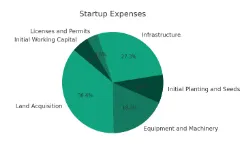
• Startup costs: Equipment, infrastructure, licensing, insurance, etc.
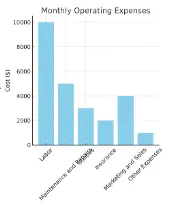
• Operating expenses: Rent, utilities, supplies, wages, etc.
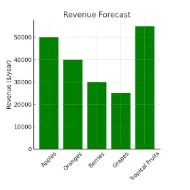
• Revenue projections: Anticipated fruit yields, crop sales, and other income sources.
• Cash flow: Projected income and expenses for at least the next 1–3 years.
• Profit and loss statements
• Balance sheet: Assets, liabilities, and owner’s equity.
• Additional financial metrics as needed to demonstrate viability.
Investors want to see comprehensive financial details proving the farm’s potential profitability and sustainability.
How do I determine if my agriculture fruit farm idea is viable?
Several factors determine an agriculture fruit farm’s viability:
• Experience and skills: Do you have experience in farming, business management, and/or the specific fruit you want to produce? If not, are you willing to develop the necessary skills?
• Market demand: Is there sufficient demand for your fruit, especially locally? Are there opportunities to sell to consumers and/or wholesalers?
• Competition: Are there many competitors, or is there room in the market for your farm? Can you differentiate from competitors?
• Location: Do you have land suitable for fruit farming in a suitable climate? Is the location convenient for accessing resources, workers, and selling fruit?
• Finances: Do you have adequate funding for startup costs? Can the farm generate a reasonable profit within a few years based on your projections?
• Risk management: Have you considered potential challenges like crop failures or changes in costs and regulations? Do you have a plan to address risks?
• Competitive advantage: Does your farm have a unique selling point making it stand out from competitors? This could help overcome other weaknesses.
• Scalability: Is there potential for business growth over time based on demands and opportunities? Can your operations scale up efficiently if needed?
Analyzing these factors objectively helps determine if your fruit farm idea is viable before investing significant time and money. Doing thorough planning and projections can increase the likelihood of success.