15 Minutes Read
Creating A Winning Business Model
We see many entrepreneurs come to us with brilliant ideas an inventions, but the business model is lacking in some…


Last Updated: 12/17/2023
If you’re a professional photographer looking to start your own business, creating a comprehensive business plan is essential. A well-crafted plan helps you outline the steps to establish and grow your company, determine necessary resources, develop strategies, and identify your target market. While writing a business plan can seem daunting, following the steps below and with determination, you can develop a plan to launch your successful commercial photography business.
Many new business owners forgo creating a business plan because it requires time and effort. However, a business plan is crucial for a new commercial photography business. It helps you understand associated costs, required resources, and strategies to achieve your goals. Without a plan, you can’t accurately determine startup costs, anticipate target market needs, establish a marketing strategy, or secure funding. The time spent creating a thoughtful plan will pay off through a successful business.
Need a Commercial Photography Business Plan?
Create a custom business plan with financial projections and market research in minutes with ProAI’s business plan generator.
An effective business plan varies for each photographer and considers factors like services offered, target market, equipment, and business type. If you’re new to commercial photography, creating a business plan may seem overwhelming. To get started, focus on these essential elements:
An executive summary briefly outlines your business plan’s key points, including your business and its goals. It highlights information like your services, target market, competitive advantages, financials, marketing strategies, and growth opportunities. The summary should be concise yet informative, providing a snapshot of your business to compel readers to continue to the full plan.
In this section, fully introduce your business. Begin with its name and details like location, contact information, owner’s background, and experience. Discuss the business’s legal form and short-and long-term goals. Provide a brief market analysis showing you understand industry trends and your potential for success. List your services and their associated costs. Include any other relevant details about your competitive advantages and path to success.
Analyze the commercial photography industry, current trends, target market, and competition to determine opportunities and potential challenges. Discuss the industry’s size and long-term outlook as well as how emerging trends may benefit you. Identify direct competitors, their services, prices, and differentiators to develop your competitive advantage. Determine how you’ll reach your target market through marketing strategies and tactics.
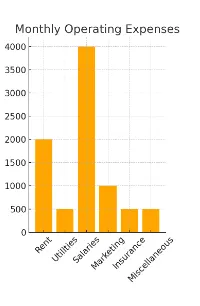
List the services and necessary equipment required to meet customer needs and associated costs to make informed purchasing decisions. Determine if you’ll rent or buy equipment and if you’ll offer additional services like editing, prints, digital files, or video. Consider the skills and qualifications required to provide your services. Calculate costs for hiring and training staff or freelancers. All these factors determine your operating budget.
Explain how you’ll recruit, hire, train, compensate and retain qualified employees or freelancers. Include information about relevant jobs like photographers and editors, salaries, benefits, incentives, and overhead costs. Discuss your company policies, procedures, and processes including job descriptions, work schedules, time off allowances, and performance reviews.
Carefully consider office space that meets your needs while fitting your budget. Look for a spot that’s accessible to both you and clients with ample parking in an area conducive to photography. Ensure you have enough room to store equipment and properly serve clients. scout locations with appealing backdrops and sufficient space for taking photos and moving freely.
Determine your niche and identify competitors and their services to understand your position. Research enables you to set competitive yet profitable prices and the most effective marketing strategies. Note any trends impacting your business and how you’ll leverage technology and tools to gain a competitive advantage. Identify your target audiences and estimate the total addressable market to determine how and how much to charge customers and focus your marketing efforts.
Create a strategic marketing plan including online and offline tactics to reach your target market like building a website, using social media, networking, and nurturing client relationships. Consider search engine optimization, content marketing, advertising, direct mailers, flyers, and word-of-mouth promotion. Set marketing goals and budgets then choose high-impact, low-cost strategies with the best ROI for your business.
Don’t hesitate to enlist help from outside professionals if needed. Identify areas you need help with like marketing, accounting, legal, or writing a business plan. Research experienced professionals or firms that specialize in the expertise you need. Create a budget for any external services to keep you on track without overspending. With the right help, you can develop an effective plan to successfully launch your business.
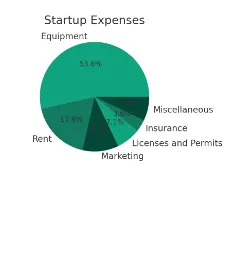
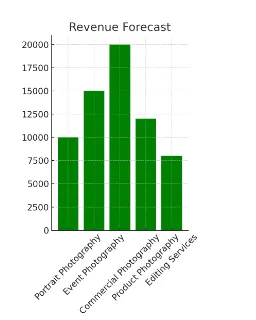
Provide financial statements projecting your income and expenses over 3 to 5 years. List your startup costs including equipment, rent, insurance, marketing, and website fees. Determine how much you need to charge for each service to become profitable while accounting for overhead like taxes and employee costs. Identify potential income sources from current and prospective clients and when you’ll likely receive payments. Conduct a breakeven analysis to show the income required to become profitable which may require consulting an accountant to ensure accuracy. Your financials demonstrate your business’s viability and potential for success to investors and stakeholders.
Need a Commercial Photography Business Plan?
Create a custom business plan with financial projections and market research in minutes with ProAI’s business plan generator.