
FAQ:
Here are some frequently asked questions about writing a clothing e-commerce site business plan:
Q: How long should my business plan be?
A: There is no strict length requirement, but a good rule of thumb is 15 to 30 pages for an e-commerce startup. Be concise but provide enough detail to convey your plan fully.
Q: Should I include product photos in my business plan?
A: Yes, including product photos in your business plan is a great way to help investors and partners visualize your product offerings and brand. However, do so strategically and don’t let photos dominate the plan. Use them to supplement your product descriptions and as examples of the type of products you sell.
Q: How often should I update my business plan?
A: You should review and revise your business plan at least once a year to reflect current market conditions, new opportunities or challenges, changes in your product line or target market, and your actual financial performance versus projections. Significant changes may require a full revision earlier. Your business plan should always reflect your current business strategy and position.
Q: Should I have my business plan reviewed by others?
A: Yes, it is a good idea to have your business plan reviewed by knowledgeable others before finalizing it. Ask mentors, colleagues, business partners, and potential investors to review your plan and provide constructive feedback. But, only incorporate feedback that you believe will strengthen your plan. It is still your vision, so make sure any feedback aligns with your key strategies and goals.
Q: How do I determine sales projections for my business plan?
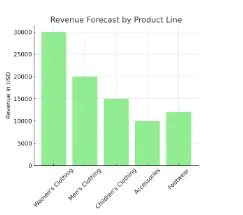
A: Developing realistic sales projections is challenging but important. Consider factors like:
• Your target market size and expected market share. Base assumptions on industry data and trends.
• Growth in e-commerce and your product category. Factor in historic and expected growth rates.
• Pricing of your products. Estimate average customer spend and transaction frequency.
• Seasonality of your products. Factor in any sales peaks to determine monthly projections.
• Cost of customer acquisition. Estimate the number of customers you can acquire considering your marketing budget and costs.
- Conversion metrics. Use industry benchmarks to project what percentage of site traffic may convert to customers.