
15 Minutes Read
Creating A Winning Business Model
We see many entrepreneurs come to us with brilliant ideas an inventions, but the business model is lacking in some…


Last Updated: 12/17/2023
Do you want to start a property inspection business? The demand for property inspectors is growing, so now is an ideal time to break into this industry. However, before getting started, it’s critical to have a comprehensive business plan. A strong business plan helps you understand the financial and organizational aspects of your business and address potential challenges before they arise. In this article, I provide an overview of what you need to include in a property inspection business plan and tips to help you get started.
A well-developed business plan is essential for success in the property inspection industry. A high-quality plan provides a blueprint for growth and helps you spot issues early on. It also helps you obtain funding to launch your business. Furthermore, an exceptional business plan gives investors the information they need to decide whether to invest in your company. Finally, a detailed business plan helps you get the permits and licenses required to operate legally and safely. Without a strong business plan, you’ll struggle to compete in this competitive industry.
Need a Business Property Inspection Business Plan?
Create a custom business plan with financial projections and market research in minutes with ProAI’s business plan generator.
An effective business plan varies for each business based on factors like services, target market, location, and more. If you’re new to property inspections, creating a business plan can seem daunting. To get started, here are the key elements to include in a property inspection business plan. You can reorder sections based on priority for your audience.
The executive summary is the first section of a business plan and summarizes the entire document. It should provide a quick overview of your business concept, execution plan, and projected return on investment. It should also include your mission statement, which outlines your purpose and goals.
The executive summary should provide a breakdown of potential costs like acquiring property, equipment, and labor. It should also provide a quick overview of your potential market and projected return on investment.
A well-written executive summary is critical for investors. It gives them a high-level overview of your plan without having to read the full document.
This section provides details about your company. Introduce your business, including its name, services, and team. Then summarize your legal structure, like LLC, corporation, or partnership. Finally, outline your short- and long-term goals, services, and objectives. Include an analysis of your local market and how you’ll succeed in it. Highlight any competitive advantages over competitors.
The property inspection market is always changing as new regulations and standards emerge. In this section, provide an overview of the industry and current trends. Explain the current market size, how it’s changed recently, and the outlook.
Discuss your target market. Who are your ideal clients? Where are they located? What services do they need? Explore your competition and how you’ll differentiate from them.
Focus on current market conditions and trends. What’s the current demand for property inspection services in your area? Who are the major players and what do they offer? What are their pricing structures? What’s driving demand for these services?
Analyze your market position. Are you a niche provider or industry leader? How will you capitalize on market opportunities and trends?
In a property inspection business plan, the services section details the services you offer.
Start by outlining the scope of your services, like pre-purchase, pre-lease, and post-lease inspections, and any additional services.
Include details for each inspection type like time required and services included. Outline your inspection process including equipment used and how you collect and report data.
List fees for each inspection and extra services so potential clients and investors understand your offerings.
Employees are another crucial component of a property inspection business plan. You need qualified inspectors knowledgeable in property inspection. Include that only well-trained, knowledgeable property inspectors provide accurate inspections.
For the best results, recruit property inspectors with experience in construction, engineering, and architecture in addition to property inspection. Provide the latest tools like infrared cameras, moisture detectors, and software so your team offers accurate, comprehensive inspections. Ensure all inspectors are certified, licensed, and aware of laws and regulations.
In the equipment section, list all tools needed like ladders, hard hats, goggles, fire extinguishers, and any specialized equipment. Note safety measures to ensure safety.
Create a budget for each item to help develop your total budget. Include equipment rental and additional job costs if relevant. Consider training and certification costs to ensure high-quality, compliant work.
Your business location is key to success. Research local zoning laws, regulations, and demographics. Consider the cost to operate in each location including utilities, taxes, insurance, and other expenses.
Once you identify a location, inspect it thoroughly. Check for any damage, hazards, or other issues that could impact value or usability to avoid future problems.
Review the market before developing your business plan. The market overview helps investors understand the property inspection industry landscape.
Research competitors and new market entrants by analyzing their strengths, weaknesses, and market share. Research inspection fees, jobs completed, and average inspection costs.
Consider regulations around licensing, insurance, and technology/tools to provide the best inspections. Understanding the market and challenges helps tailor your plan to meet investor expectations.
Marketing is important for any business, including property inspectors. Create a realistic, achievable marketing plan outlining your goals and strategies.
Build a website and social media to attract clients. Join industry networks like the American Society of Home Inspectors and National Association of Home Inspectors to connect with other professionals and learn trends.
Consider a marketing budget for advertising like websites, print ads, radio, and more. Focus digital marketing like SEO and PPC to generate leads and acquire customers.
A property inspection business’ success depends on the inspector’s expertise. When writing your business plan, consider the benefits of external help to ensure proper inspections.
Experienced inspectors help avoid costly mistakes, spot issues quickly, and provide detailed reports to make informed decisions. They offer insight into the local market to price properties correctly and understand regulations impacting inspections.
Consider external help’s benefits in your business plan. Proper inspections with accurate, timely results and local market knowledge help make the best decisions.
Financial analysis is critical in any business plan. Include a detailed analysis of costs to launch and operate your business.
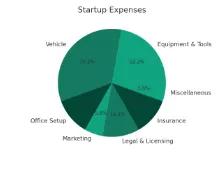
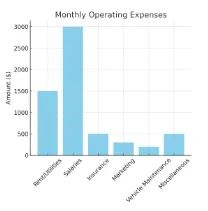
Provide a startup budget outlining costs to launch like equipment, software, and resources. Include a cash flow analysis showing expected income and expenses for the next year so investors understand your financial stability and path to profitability.
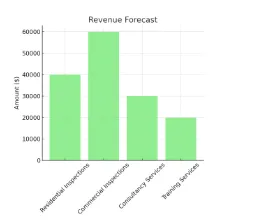
Include a break-even analysis showing the revenue needed to cover costs so investors understand financial risks. Strong financials demonstrate your business’s viability and potential for success.
Need a Business Property Inspection Business Plan?
Create a custom business plan with financial projections and market research in minutes with ProAI’s business plan generator.
Here are some frequently asked questions regarding business property inspection business plans:
1. How long should a business property inspection business plan be?
There is no set length for a business property inspection business plan. It should be as long as needed to thoroughly convey all the necessary details about your business. Most plans are 15 to 30 pages. Keep it concise while addressing important points.
2. Do I need funding to start a property inspection business?
You may need external funding to start a property inspection business. Costs include equipment, marketing, rent, insurance, and wages until you become profitable. Seek funding from personal savings, loans, investors, crowdfunding, or small business grants. Determine your funding needs and integrate them into your financial plan.
3. What certifications or licenses do property inspectors need?
Most states require property inspectors to become licensed or certified. Requirements vary, but usually include having general liability insurance, meeting education and experience requirements, and passing an exam. National certifying organizations include ASHI, InterNACHI, and PMA. Check with your state regarding requirements to operate legally.
4. How much do property inspectors charge?
Property inspection fees range from $300 to $2000 depending on factors like location, square footage, types of inspections offered, and available services. Set fees based on the going rates in your area, level of experience, available services, qualifications, and overhead costs. Build multiple pricing options into your business plan based on thorough research and analysis.
5. What are the key success factors for a property inspection business?
Key success factors for a property inspection business include:
• Strong local relationships and reputation: Network and build strong referral systems.
• High-quality service: Ensure qualified, knowledgeable inspectors who provide accurate, thorough inspections. Focus on customer service.
• Competitive, strategic pricing: Price according to your market, qualifications, and services offered. Provide options at various price points.
• Solid digital presence: Build an optimized website and active social media profiles to enhance your online reputation and generate leads.