15 Minutes Read
Creating A Winning Business Model
We see many entrepreneurs come to us with brilliant ideas an inventions, but the business model is lacking in some…

Starting an e-commerce business for fire rescue equipment is an exciting venture, however, without careful planning, it can be challenging to launch and scale successfully. A comprehensive business plan is essential to mapping your path to profitability and securing funding. This guide provides practical tips and examples to help you craft a winning fire rescue e-commerce business plan in 2023.
Many new e-commerce business owners skip creating a formal business plan, but this is a mistake. A well-crafted plan is crucial for:
•Attracting investors and funding. Investors want to see a clear vision and path to growth before providing capital.
•Avoiding confusion and wasted effort. A plan provides focus and helps you make strategic decisions.
•Gaining key insights. The planning process allows you to deeply analyze your industry, customers, and competition.
•Preparing for challenges. Forecasting financials and scenarios helps ensure you can weather difficulties.
While developing the plan requires time and work, the rewards of increased likelihood of success and funding make the investment worthwhile. For a fire rescue e-commerce business, a comprehensive plan is particularly important given strict industry regulations and competition. Let’s look at how to create your plan.
Need a Fire Rescue E-commerce Business Plan?
Create a custom business plan with financial projections and market research in minutes with ProAI’s business plan generator.
A good fire rescue e-commerce business plan should include the following sections:
The executive summary is your chance to hook readers and summarize your vision. Include your mission, products and services, team background, and growth projections. Focus on what makes you unique.
Describe your business in detail, including its legal structure. Explain your goals, strengths, and competitive advantage. Briefly analyze the industry and your position within it.
List your products and services, including features and benefits. Compare to competitors and explain your unique differentiators. Include pricing and details on suppliers and fulfillment.
Research your industry, customers, and competition. Analyze trends and growth opportunities. Evaluate competitive strengths/weaknesses and your competitive advantage. Discuss potential barriers to entry for newcomers.
Outline how you will attract and retain customers including social media, content creation, email marketing, SEO, and paid advertising strategies. Provide specifics on implementing and measuring initiatives.
Describe how the business will function on a day-to-day basis. Include details on your business model, e-commerce platform, customer service, warehousing, shipping, payment processing, and key tools/resources. Identify key challenges and solutions.
Profile team members, qualifications, responsibilities, and compensation. Discuss any current gaps and your plan to fill them. For new positions, include job descriptions and hiring timelines.
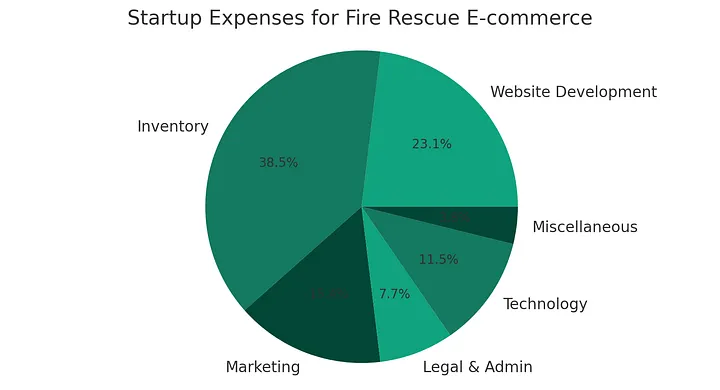
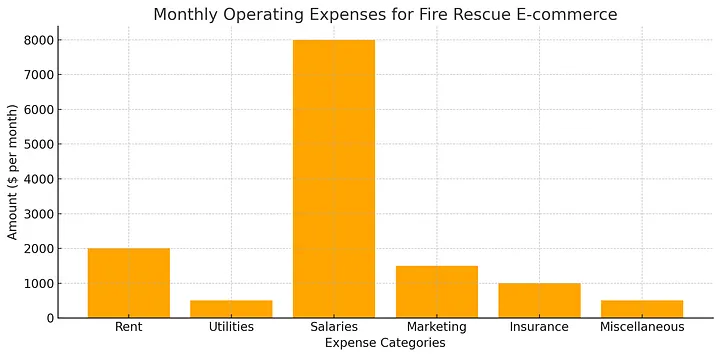
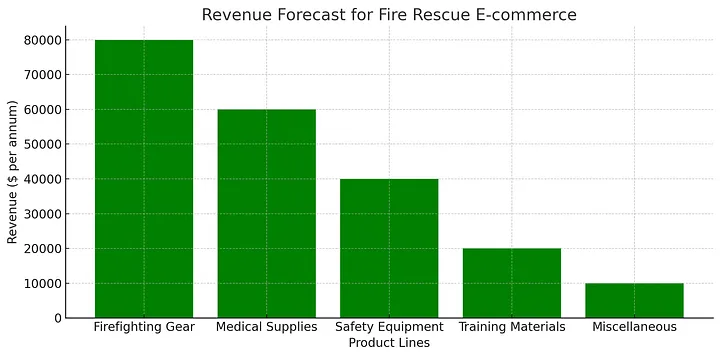
Forecast 3 years of financial statements including income statements, cash flow statements, balance sheets, and key metrics and ratios. Evaluate assumptions and scenarios, including best- and worst-case. Discuss your funding requirements and sources.
Analyze potential risks — such as economic downturns, new competitors, changes in technology, regulations — and how you will avoid or address them. Discuss alternative strategies and scenarios.
Need a Fire Rescue E-commerce Business Plan?
Create a custom business plan with financial projections and market research in minutes with ProAI’s business plan generator.