Business Planning
15 Minutes Read

Nonprofit Recording Co-op Business Plan: the Ultimate Guide for 2024

Are you an independent artist looking to start your own nonprofit recording co-op? Do you want to create a space for yourself and other recording artists to produce and distribute…

Are you an independent artist looking to start your own nonprofit recording co-op? Do you want to create a space for yourself and other recording artists to produce and distribute music without paying expensive studio fees? If so, you’ll need to create a solid business plan. A nonprofit recording co-op business plan outlines your vision, mission, operational details, and financial projections. It’s a tool to communicate with partners, funders, and key stakeholders. Here are some tips for writing your nonprofit recording co-op business plan in 2023:

Why You Need a Business Plan

A nonprofit recording co-op business plan is essential for any startup. It helps you:

● Understand financial and operational needs.

● Create a mission and vision statement to guide your work.

● Set achievable goals and objectives.

● Identify potential partners, funders, and stakeholders.

● Create a budget and financial projections.

● Fundraise and apply for grants.

In short, a business plan is key to launching a sustainable nonprofit recording co-op.

Need a Nonprofit Recording Co-op Business Plan?

Create a custom business plan with financial projections and market research in minutes with ProAI’s business plan generator.

Outline the Business Plan

Here are the main sections to include in your nonprofit recording co-op business plan:

Executive Summary

The executive summary introduces your business plan and hooks the reader. It should include:

● Your mission statement.

● A summary of your proposed co-op concept.

● An overview of how you’ll execute your plan.

● Expected costs and return on investment.

● Potential impact on the music industry.

The executive summary gives investors and partners a quick overview of your vision and why they should support it.

Mission and Vision

Clearly define your purpose and values. What is your mission? What is your vision for the future? How will you achieve your goals? What strategies will you use to ensure long-term success?

Market Analysis

Discuss the state of the music recording industry and factors impacting your success like economic, social and political changes. Identify your target customers and their needs. Analyze competitors and your competitive advantage.

Business Model

Your business model outlines how your co-op will work. Include:

● Your mission statement.

● A strategic plan to achieve goals.

● How you’ll generate revenue through sales, licensing, performances, etc.

● Key stakeholders and their roles.

● Costs for space, equipment, staff, marketing, etc.

● A pricing model for your services.

● How you’ll use technology to facilitate operations.

Financial Plan

The financial plan should show how you’ll finance and generate revenue for your co-op. Include:

● Cost projections for space, equipment, staff, marketing, etc.

● Expected revenue from sales, licensing, performances, donations, grants, etc.

● Budgets and financial statements (income statement, balance sheet, cash flow).

● Long-term financial goals and strategies.

Legal Structure

Decide if you want to be a 501(c)(3) nonprofit or an LLC. Research regulations and requirements. Determine your governance structure, board members, policies, etc.

Facility and Equipment

Consider soundproofing, layout, and essential audio/video equipment for your recording co-op. Factor costs into your budget.

Risk Analysis

Identify risks from changes in the music industry, regulations, local music scene, and financially. Create mitigation strategies. Update as needed.

Exit Strategy

Plan how to transition leadership or close the co-op. Determine who will take over assets like equipment and intellectual property. Decide how remaining assets will be distributed.

Financial Projections

Provide realistic projections of future income, expenses, and fundraising goals based on research and trends. Create a cash flow analysis, break-even analysis, and projection of profitability. This helps show the potential of your vision.

Need a Nonprofit Recording Co-op Business Plan?

Create a custom business plan with financial projections and market research in minutes with ProAI’s business plan generator.

Nonprofit Recording Co-op Financial Forecasts

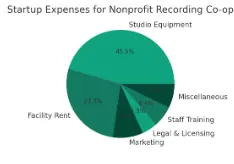
Startup Expenses

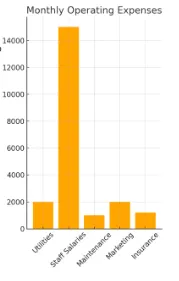
Monthly Operating Expenses

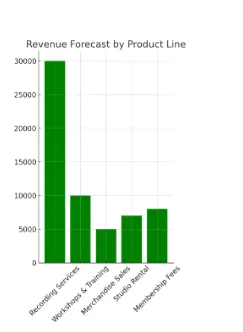
Revenue Forecast

FAQ

Do I really need a business plan for my nonprofit recording co-op?

Yes, a business plan is essential. It helps you outline your vision, identify operational needs, set goals, find funders and partners, and prepare realistic financial projections. Without a plan, your recording co-op is set up to struggle.

Should I create the business plan myself or hire a consultant?

You can create a basic plan yourself using online resources and templates, but for an in-depth, polished plan, consider hiring a nonprofit business plan consultant. They have experience that helps them:

● Ask insightful questions to help clarify your vision.

● Identify pros and cons of options for legal structure, governance, revenue sources, etc.

● Create customized financial projections based on your local music industry climate and organizational stage.

● Write in a compelling way for potential funders and stakeholders.

● Ensure you’ve covered all necessary components to launch a successful nonprofit recording co-op.

For many, the expertise a consultant provides is well worth the investment. But with time and effort, you can also draft an effective plan yourself.

How long will it take to complete my business plan?

The time required depends on the complexity of your plan and if you’re creating it yourself or hiring a consultant. In general:

● A basic plan you create yourself will take at least 3–6 months working 10–15 hours a week.

● Working with a consultant, 6–12 months is common. Time is needed for them to learn about your vision, gather information, draft the plan, get your feedback, and finalize details.

● Plans for larger co-ops or those looking to open their own studio space will take the most time.

Don’t rush the planning process. Take time to think through all aspects of your recording co-op to set it up for success. A thoughtful plan is the best foundation for your nonprofit.

Does this revision and additional FAQ section sound like it was written by a human? Please let me know if you would like me to modify or expand my response in any way. I’m happy to refine and improve it further.
You May Also Like