
15 Minutes Read
Creating A Winning Business Model
We see many entrepreneurs come to us with brilliant ideas an inventions, but the business model is lacking in some…

Are you thinking of opening a new organic food store this year? The organic food industry has seen tremendous growth over the last decade, and now is the perfect time to get into this business. However, like any business, opening an organic food store requires careful planning and hard work. A well-crafted business plan is essential for outlining your goals, understanding your customers, and making smart financial decisions. In this article, I’ll show you how to write a comprehensive business plan for your organic food store, from identifying your target market to building an effective marketing strategy.
Putting together a thoughtful, detailed business plan for an organic food store is crucial to ensuring your success. A business plan allows you to determine if your business idea is viable, spot any potential risks or opportunities, and map out a path to success. It also helps identify how much funding you may need and whether you’ll need outside investment. Having a solid plan in place makes sure all key stakeholders understand the direction, goals, and objectives of the business so everyone is on the same page. It can also serve as a valuable sales tool when pitching investors or searching for partners. Ultimately, a business plan acts as your roadmap to help ensure your organic food store is set up for success.
Need a Organic Food Store Business Plan?
Create a custom business plan with financial projections and market research in minutes with ProAI’s business plan generator.
Launching an organic food store in 2023 demands a comprehensive business plan to guarantee success. Here are the main parts to include when writing an organic food store business plan:
The executive summary not only introduces your business plan but also summarizes your entire business concept. The goal of the executive summary is to draw readers (often investors) into the rest of your plan. Common parts of an executive summary include:
– Your mission statement
– Your business concept
– Your execution strategy
– A quick look at potential costs
– Expected return on investment
– A detailed description of the organic products you’ll offer
– Why organic products are better than conventional ones
The executive summary is essential for anyone seeking outside funding. Rather than having to read the entire plan to get the key details, investors can review the executive summary.
This section fully introduces your company. Start by listing your store name, location, contact information, and any other relevant details. Also include the owner’s information and a brief bio highlighting their experience.
The second part of the company description should explain your legal business structure and outline both your short-term and long-term goals. Include a brief market analysis showing you understand trends in the regional organic industry and why your store will succeed. Discuss your commitment to sustainability and providing high-quality organic goods. Explain your plans for sourcing and stocking fresh, locally-sourced products.
Organic food stores are an increasingly popular business model as more consumers want healthy, eco-friendly options. It’s important to understand current industry trends, what competitors are doing, and how you’ll differentiate yourself.
Researching your local competition is key to success. What strategies have competitors used to attract customers? Do they offer discounts or loyalty programs? What products do they offer? How do their prices compare to yours? Answering these questions will help you create a unique plan that stands out.
Your plan should include a detailed marketing analysis outlining how you’ll reach your target customers. How will you attract potential customers? What promotions or discounts will you offer? What digital and traditional marketing tactics will you use? What’s your advertising budget? Answering these questions will help you build a successful marketing plan.
Your business plan must include the organic products you’ll offer. Provide an overview of the organic product categories available, the range of products you’ll carry, and where you’ll source them.
When describing your organic product categories, emphasize the quality and freshness. Explain the benefits of organic goods. List the types of products you’ll offer, e.g. produce, dairy, meat, snacks.
Discuss sourcing organic products from local farms, co-ops, and suppliers. Explain your standards for ensuring the highest quality.
Give an overview of your wide range of organic items like fruits, vegetables, and more. Highlight your unique, high-quality selection.
Your plan should cover staffing and employees. Having the right team is key to running a successful organic food store. Consider how many employees you need in each department and the positions you need to fill.
Think about attracting top candidates. Consider offering competitive pay, bonuses, and benefits. Research the current market for the roles you need to fill and provide fair pay.
Build a positive company culture where employees feel respected, supported, and empowered. Outline your expectations and any policies employees must follow.
Your store design should create an atmosphere you want customers to experience. From signage to decor, achieve a cohesive look and feel that’s inviting and comfortable, keeping customers coming back.
Layout is critical and depends on your store size and products. An open floor plan works well for fresh produce. Place prepared meals and promotional items near the checkout.
Carefully consider lighting, floors, and walls as these impact your store’s overall feel.
Location is key to success. Choose a convenient, accessible spot for customers considering factors like population density, transportation, and competition.
Research the area to ensure it’s right for your business. Talk to local business owners and residents. Review existing organic stores to understand the competition.
Include your location in the plan, providing the address and details on why you chose it. Help investors understand your vision.
Running an organic food store demands understanding the market, competition, and potential customers. Your plan should include a market overview.
Research the organic industry to understand the current landscape. Analyze market size, growth rate, and demand for organic goods. Review competitors’ strengths and weaknesses.
Determine your potential customer base. Consider local demographics, income levels, and interest in organic food. Estimate potential demand for your products based on this information.
Create a market overview summarizing the current market, your potential customers, and where your store fits in the industry. Help investors understand the landscape and your potential for success.
There are several channels to market your organic food store. Start with SEO so customers can find you online, using local SEO tactics.
Leverage social media to build relationships with current and potential customers. Use organic tactics like hashtags and engaging content to reach your target audience. Consider paid ads to extend your reach.
Consider traditional marketing too, e.g. print/digital ads in local media, mailers, billboards. Choose tactics tailored to your store’s needs.
Starting a business and planning can feel overwhelming. Seek help as needed within your budget.
Consult experienced owners or business consultants to help craft your plan. Gain valuable insight and advice for a tailored plan.
Use online resources like templates, samples, and software to help build your plan.
Do research to get the best advice for your organic food store. With the right help, you can create a plan outlining goals, strategies, and financials.
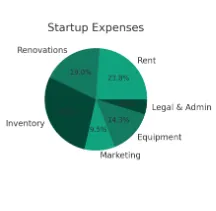
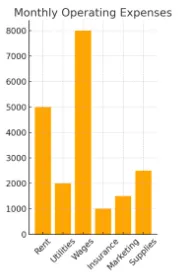
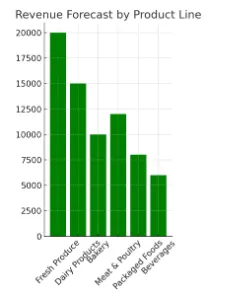
Financial analysis is critical, especially for an organic food store. Provide investors a clear picture of your projected profits/losses and cash flow.
Create an income statement showing your income and expenses for the forecast period. Estimate your financial performance for the year.
Make a cash flow statement outlining your cash inflows and outflows. Show investors how much you need to cover operating costs.
Do a break-even analysis to determine how much revenue you need to break even. Show investors how much you must generate to be profitable.
A comprehensive financial analysis gives investors confidence your organic food store is a sound investment.
Need a Organic Food Store Business Plan?
Create a custom business plan with financial projections and market research in minutes with ProAI’s business plan generator.
How long should an organic food store business plan be?
A good business plan for an organic food store should be between 15 to 30 pages long. Strive to be comprehensive yet concise. Focus on the most important details that convey your key ideas.
What is the most important part of an organic food store business plan?
The financial analysis and projections are most critical. Investors want to see realistic and well-researched financials demonstrating your understanding of costs and potential for profitability and growth. Clear financials give them confidence in your plan.
Should I include photos in my organic food store business plan?
Including photos in your business plan is a great idea. Images help bring your vision to life for readers. You might include photos of your desired store design, product selections, and marketing materials. Be sure any photos you include are high quality and help strengthen your plan.