15 Minutes Read
Creating A Winning Business Model
We see many entrepreneurs come to us with brilliant ideas an inventions, but the business model is lacking in some…

Have you been thinking about starting your own pet product manufacturing business? You’re not alone. As the pet industry continues to grow rapidly, more and more entrepreneurs are looking to enter this exciting market. However, without proper planning, your business will struggle to get off the ground. A well-crafted Pet Products Manufacturer Business Plan is key to success in this business. It’s a comprehensive document that outlines your business goals and objectives, marketing plan, financial projections, and operational strategies. This plan is essential for creating a sustainable company and will help you attract potential investors and lenders. This article provides detailed information on how to write a Pet Products Manufacturer Business Plan in 2023, including samples and tips to help you succeed.
A pet products manufacturer business plan is crucial for anyone looking to start their own pet product company. It outlines the goals and strategies necessary to achieve success in the pet product industry. By detailing financial and operational objectives, a strong business plan helps identify opportunities, mitigate risks, and ensure resources are used efficiently and effectively. It also allows manufacturers to attract investors, secure loans, and build partnerships to help their business grow. With a well-developed, detailed plan, pet product manufacturers can feel confident their business will thrive.
Need a Pet Products Manufacturer Business Plan?
Create a custom business plan with financial projections and market research in minutes with ProAI’s business plan generator.
Writing a business plan for a pet product manufacturer isn’t too different from writing a plan for any other company. However, there are a few key things to keep in mind. This article provides an overview of what to include when writing your pet product manufacturer business plan.
Here are the main sections to cover:
The executive summary is the first part of your business plan and provides a high-level overview of the key points, goals, objectives, and other relevant information about your company. The summary should include:
● Your mission statement — A clear description of your company’s purpose and values.
● Company overview — Brief history, location, and contact information. Include owner’s background and experience.
● Product/service description — Explain what you offer, your target market, and competitive advantage.
● Market analysis — Discuss industry trends, target market, and competitive landscape.
● Financial plan — Capital requirements, revenue projections, and key metrics.
● Marketing plan — Outline your marketing strategies to reach customers.
● Management team — Highlight relevant experience and qualifications of key team members.
● Risks — Identify potential risks to your business and mitigation strategies.
The executive summary should be concise yet compelling. It’s meant to draw the reader in and encourage them to learn more about your business plan.
This section provides details about your company’s history, mission, vision, and legal structure. Explain your business’s purpose and the problem you aim to solve. Discuss your short and long-term goals, as well as your company’s competitive advantage and position in the market. Mention your business’s legal standing and outline ownership details.
Your market analysis section examines the industry, target market, competition, and your marketing plan. It shows you understand trends in the pet product industry and have a strategy to succeed.
Industry Analysis — Discuss the current size of the pet industry, projected growth, and relevant regulations or trends that may impact your business.
Competition Analysis — Identify direct competitors, their product lines, pricing, promotions, and any competitive advantages. Explain how your products and pricing differ and your plans to gain a competitive edge.
Marketing Analysis — Explain how you’ll promote your products to reach customers. Discuss your marketing budget, strategies, and expected return on investment.
This section details how you develop products that satisfy customer needs while remaining practical, safe, and cost-effective. Discuss how you identify opportunities through market research. Explain your product design process, including safety, quality control, and testing procedures. Mention resources required and intellectual property protections like patents or trademarks. Describe your products’ unique selling propositions and advantages over competitors.
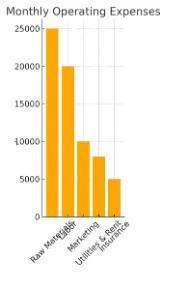
Determine your business’s production capacity by evaluating the machinery, labor, time, and costs required to manufacture your pet products. Factor in expenses for raw materials, equipment, and labor. Calculate how many products you can produce in a given time period and at what cost. Use this information to develop a realistic timeline for launching and scaling your company. Production capacity and timelines will likely change as your business grows.
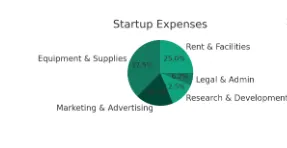
Financial resources are key for any business but especially important for pet product manufacturers due to high capital costs. Calculate startup and operational expenses for the first five years, including legal fees, equipment, supplies, and research and development. If seeking outside financing, include financial projections with income statements, balance sheets, cash flow statements, and key metrics and ratios. Investors want to see you understand how to manage the business long-term.
A marketing plan is often overlooked but critical for business success. It details how you’ll get your products in front of customers and drive sales.
Research competitors to identify gaps in the market and opportunities for your business. Determine ways to differentiate your brand and products. Develop strategies to reach your target customers, such as social media ads, email campaigns, influencer collaborations, and more. Measure and adjust your marketing plan as needed to maximize return on investment.
Your sales and distribution strategy depends on the type of products you manufacture and your target market. If selling to retailers, identify stores most likely to buy your products. If selling direct-to-consumer, determine the best ways to reach and sell to customers.
Choose a distribution model that delivers your products to customers on time and within budget. Compare costs and requirements for shipping, delivery, packaging, and warehousing. Ensure you have reliable suppliers and logistics partners to meet demand.
Discuss your company’s legal structure, ownership, and team roles and responsibilities. Include details about your mission, vision, and the products you manufacture. Explain the materials and processes used to make your products. Provide as much detail as possible so investors understand your business.
Identify risks to your supply chain, pricing, customer service, and other areas. Develop a risk management plan with steps to mitigate risks and resources required. Consider financial risks like cash flow issues and ways to manage them, such as contingency funds and insurance policies. Risk management helps create a resilient business plan.
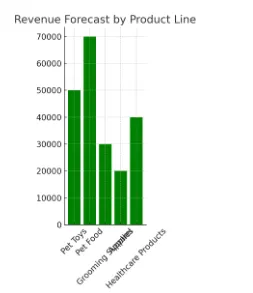
This section provides a detailed analysis of costs to manufacture, market, and sell your products. Include financial summaries and projections, a break-even analysis showing when your business will become profitable, past financial performance (if already operating), and budgets for the next year. Provide cash flow statements for the next three years to show funding needs and cash generated. Comprehensive financials demonstrate your ability to sustainably manage the business.
Need a Pet Products Manufacturer Business Plan?
Create a custom business plan with financial projections and market research in minutes with ProAI’s business plan generator.