15 Minutes Read
Creating A Winning Business Model
We see many entrepreneurs come to us with brilliant ideas an inventions, but the business model is lacking in some…


If you’re considering opening a pharmacy, you need an effective business plan to guide your journey. A well-crafted pharmacy business plan outlines your vision and helps develop a comprehensive strategy for achieving your goals. It also serves as a tool to secure funding to open and operate a successful pharmacy. In this article, we’ll provide essential information to write a pharmacy business plan, including tips, examples, and advice.
A pharmacy business plan is crucial to success. It serves as a roadmap, helping navigate the business lifecycle. It provides information to secure funding and establish your pharmacy. Your plan should include financial, operational, marketing plans, and more. A comprehensive plan helps stay organized, shows investors your understanding of the pharmacy business, and commitment to success.
Need a Pharmacy Business Plan?
Create a custom business plan with financial projections and market research in minutes with ProAI’s business plan generator.
Writing a pharmacy business plan is critical to launching and running a successful pharmacy. It helps organize and plan different aspects of your business and develop a comprehensive strategy to achieve your goals.
Here are key elements to include in a pharmacy business plan:
– Executive Summary
– Company Description
– Market Analysis
– Products & Services
– Business Model
– Location
– Market Overview
– Marketing & Advertising
– External Help
– Financial Analysis
– Regulatory Requirements
– Risk Management
The executive summary provides an overview of the entire plan. It includes key information like the mission statement, concept, costs, and expected return on investment. It summarizes the different sections of the plan and strategies for success. The executive summary convinces potential investors to invest in your pharmacy.
This section includes an overview of the company, owner’s experience, legal standing, short and long-term goals. It shows understanding of industry trends and why your business will succeed. Include important details like location, contacts, and other relevant information. This section helps investors understand your vision and path to success.
The market analysis section provides an overview of the industry, competition, and your marketing strategy.
Industry Analysis — Discuss the pharmacy industry size, trends, your target market, and why customers will choose you.
Competition Analysis — Research your competition to understand how to differentiate. Note their prices, services, and customer service. Explain how you’ll differ and why customers will choose you.
Marketing Analysis — Explain your marketing campaigns, how they’ll differ from competitors, and how you’ll reach your target market.
Outline products and services offered, including specialty offerings that differentiate you. Provide pricing for each product and service, so investors understand your target price point. Include plans to expand offerings and how you’ll source products and services.
Explain how you’ll run and manage the pharmacy. Describe products and services, sourcing, and pricing. Explain how you’ll generate revenue through insurance, payments, promote offerings, and measure success. Help investors understand your business model and path to profitability.
Location impacts success or failure. Choose a convenient, high-traffic, safe location with ample parking. Consider services offered, accessibility to medical facilities if offering immunizations or health screenings. Research competition to avoid locating too close. Negotiate the best lease.
Discuss the industry, competition, and potential customers. Explain the pharmacy industry size, trends, and your target customers. Discuss competitors and how you’ll differ. Outline your potential customer base and plans to reach them. Explain how you’ll meet customer needs and why they’ll choose you.
Discuss proposed marketing and advertising to reach your target market and stand out. Include measuring marketing success.
Consider:
– Channels to reach your target market
– Strategies to stand out
– Measuring marketing success
– Budget allocation
You’ll need help to succeed. List professionals like accountants, lawyers, consultants, architects. Explain their role and how they’ll help achieve goals. Include hiring and budget for each.
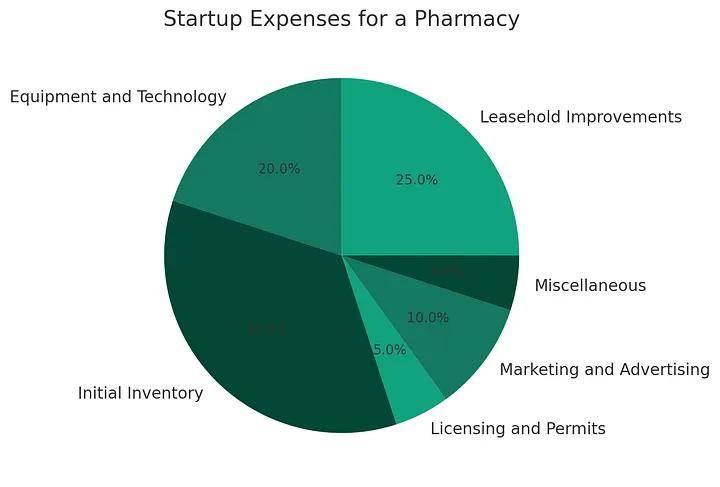
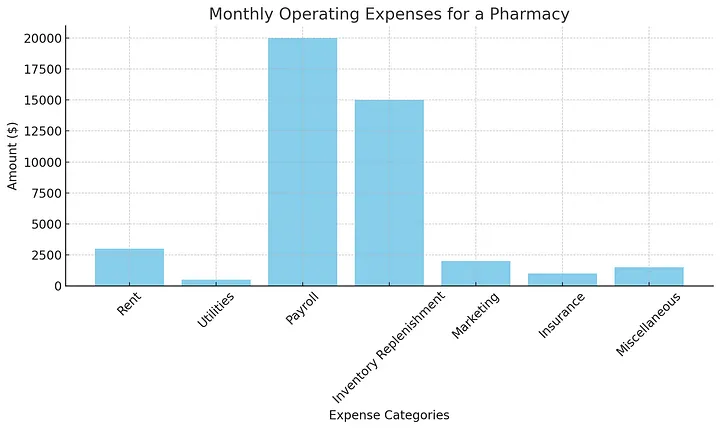
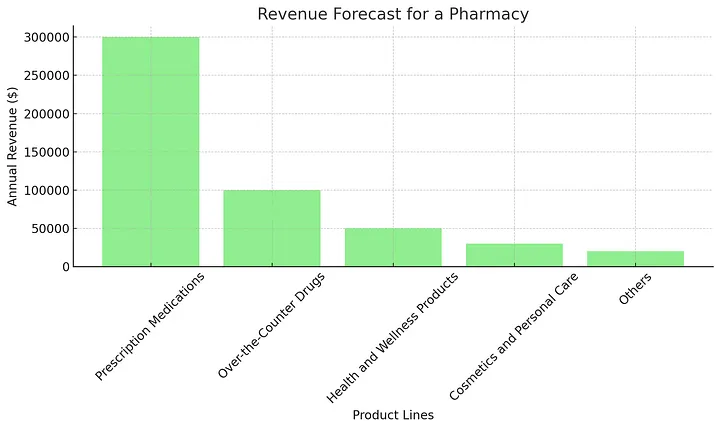
This section showcases financial projections. Include costs, revenue, profits, capital structure, and financing needs. Provide cost breakdowns like rent and staff salaries. Discuss assumptions like market growth and customer retention so investors understand your projections. Explain risks like regulatory changes or competition and how you’ll mitigate them.
Identify risks like regulatory compliance, supply chain issues, data security, financial risks, or competition. Strategize to mitigate risks and monitor over time. Have emergency plans in place. Discussing risks and strategies ensures investors of your commitment to success.
Need a Pharmacy Business Plan?
Create a custom business plan with financial projections and market research in minutes with ProAI’s business plan generator.