15 Minutes Read
Creating A Winning Business Model
We see many entrepreneurs come to us with brilliant ideas an inventions, but the business model is lacking in some…


A physical fitness gym business plan should fit your gym’s specific needs and goals. Writing a comprehensive plan is daunting but, with the right information and guidance, you can create an effective plan to help your gym succeed.
A physical fitness gym business plan is crucial to ensure your business’s success. Without proper planning, you risk wasting time and money on misguided efforts and investments. A business plan outlines your plan for success, identifies risks and opportunities, creates achievable goals, and tracks progress. It makes securing funding easier. A well-crafted plan builds a solid foundation and increases the likelihood of achieving your goals.
Need a Physical Fitness Gym Business Plan?
Create a custom business plan with financial projections and market research in minutes with ProAI’s business plan generator.
The executive summary provides an overview of the plan, including the concept, mission statement, costs, execution, and expected return on investment. It’s important to impress investors and partners.
The mission statement summarizes what the gym will do, how it will achieve its goals, and why it will succeed. The concept explains what sets the gym apart, e.g., offerings, target customers, and pricing.
The execution section outlines steps to open and operate the gym, including the marketing strategy, operational plans, and hiring process. Discuss potential costs like renting a facility, buying equipment, and hiring staff.
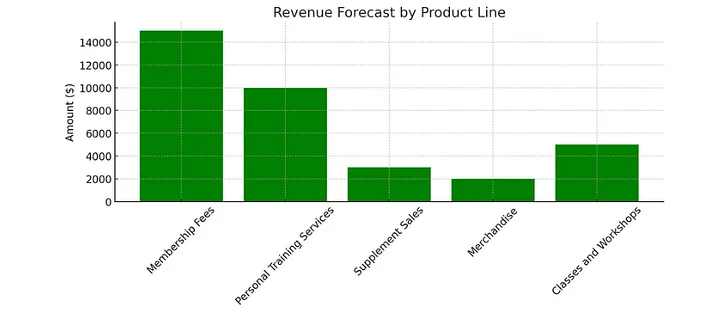
Discuss expected revenue streams like membership and class fees and product sales. An executive summary succinctly and compellingly overviews the plan.
Introduce the company, including the name, location, contacts, owner details, and experience.
Outline short and long-term goals. Provide a market study showing you understand industry trends and why the gym will succeed. Detail services like personal training, classes, and boot camps. Explain how the gym differs from competitors. Discuss pricing, marketing, and customer service.
Industry Analysis: Discuss the industry size and scope and where it’s headed. Explain how your gym fits in and address trends like at-home fitness. Discuss capitalizing on them.
Competition Analysis: Research competitors’ strengths and weaknesses. Explain how your gym will stand out, e.g., services and amenities offered and why they’ll attract customers.
Marketing Analysis: Discuss your target market, pricing, promotions, and how your marketing plan will attract and retain customers.
Discuss services to attract members, e.g., classes, personal training, and nutrition advice. Consider massage therapy, physical therapy, and sports training.
Break down each service’s cost. Show revenue potential to investors. Discuss future services and your long-term vision.
Research equipment needs and costs. Consider machines’ age, warranty, and other costs. Ensure enough space and layout works for your concept. Consider extras like TVs and sound systems.
For classes, consider mats, bands, balls, and weights. Research the best suppliers for quality, affordable equipment.
The location is crucial to success and brand. Consider your target customers, competition, zoning laws, and if the facility accommodates your equipment.
Research the area and competition to know what customers want and competitors offer. Ensure it’s safe with enough parking.
Budget for renting or buying the space. Include the cost in your plan.
Assess competition, local demographics, and potential customers. Adjust for location, e.g., rural vs. metropolitan. Consider economic and cultural trends, e.g., yoga’s popularity and demand for classes.
Consider external factors like the local economy, resource availability, and cost of living. Understand the market and factors to make better decisions on marketing and pricing.
Effective marketing is key. Differentiate from competitors. Create a comprehensive marketing plan and budget. Consider social media, email, word-of-mouth, print, and radio.
Include a customer loyalty strategy with referrals, rewards, etc. Outline measuring success, a timeline, and metrics to track. Impress investors you’re serious about growth.
Don’t go it alone. Hire a business plan consultant for guidance, research, and advice to create a comprehensive, accurate plan.
Seek guidance from Small Business Development Centers, SCORE mentors, networking, and resources for small business owners. External help provides invaluable support for your plan.
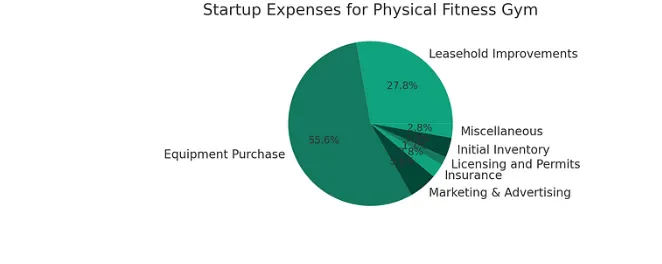
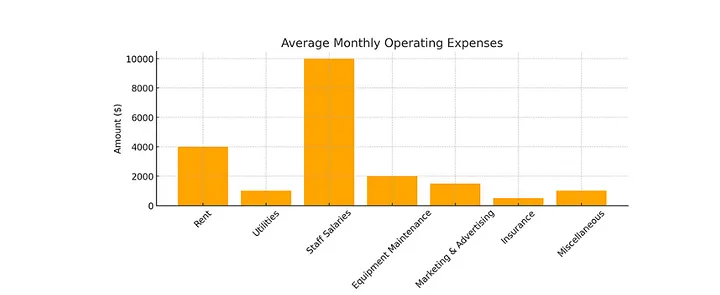
Financial analysis ensures viability before investing. Calculate start-up costs and break-even point. Ensure enough capital to start.
Develop a budget with estimates of expenses and income for one year. Include equipment, labor, and operational costs. Be accurate.
Evaluate financing sources like investment or debt. Understand risks associated with investing in or borrowing for your business.
Need a Physical Fitness Gym Business Plan?
Create a custom business plan with financial projections and market research in minutes with ProAI’s business plan generator.