15 Minutes Read
Creating A Winning Business Model
We see many entrepreneurs come to us with brilliant ideas an inventions, but the business model is lacking in some…


Last Updated: 12/17/2023
Are you looking to start a women’s clothing boutique but don’t know where to start? Writing a business plan is the most important step in launching your boutique. A well-crafted plan provides a roadmap for the future and helps determine goals, identify your target market, determine pricing and product strategies, and outline steps to achieve success. It serves as a source of information for potential investors, lenders, and partners to evaluate the potential of your business. Without a proper plan, time, money, and resources may be wasted on an unsuccessful venture. Investing in a comprehensive business plan will ensure a solid foundation for your women’s clothing boutique.
Starting a women’s clothing boutique can be profitable if done right. A great business plan is key to success, helping stay organized, focused and on track. It helps determine goals, identify your target market, determine pricing and product strategies, and outline steps to become reality. It serves as a source of information for potential investors, lenders, and partners to evaluate the potential of your business. Without a proper plan, time, money, and resources may be wasted on an unsuccessful venture. Investing in a comprehensive business plan will ensure a solid foundation for your women’s clothing boutique.
Need a Women’s Clothing Boutique Business Plan?
Create a custom business plan with financial projections and market research in minutes with ProAI’s business plan generator.
A business plan for a Women’s Clothing Boutique should be tailored to the unique needs of the business. Different elements may be emphasized depending on the goals of the company and the desired outcome. Here are the main components of a Women’s Clothing Boutique Business Plan:
The executive summary introduces the business plan. It includes the mission statement, concept, execution, potential costs, and expected return on investment. It provides a quick overview for investors and partners. A well-crafted summary can generate interest in potential investors.
Introduce the boutique by name, location, contact information. Briefly describe the owner’s experience and type of clothing to be sold. Explain the boutique’s legal standing, short and long-term goals. Provide a brief market study demonstrating understanding of regional fashion industry trends and why the boutique will succeed. Outline competitive advantages over similar boutiques.
The women’s clothing boutique industry is competitive but offers opportunities. Analyze fashion and consumer trends, current market size, potential consumer base, and why your boutique will succeed.
Understand successful competition, strategies like pricing, product selection, and marketing. Explain how your boutique will differentiate itself and why customers will choose you.
Outline marketing tactics like digital, print, radio advertising, public relations, and events. Show how they will target potential customers and achieve goals.
Decide what clothing will be offered like casual, business or in-between. Consider the target demographic and their interests. Think about colors, styles, occasions, seasons, price points, fabrics, materials, unique features like eco-friendly or ethically-sourced. If using any unique designs like custom prints or embroidery, include them.
The target market determines interest in the boutique. Research competition and potential customers. Create a buyer persona to understand their needs and preferences. This helps tailor marketing and products to them. Consider how they shop and platforms likely used. Promoting there engages potential customers. Identifying the target market creates an effective business plan.
Design should suit the clothing and demographic. Make it inviting and comfortable so customers want to shop. Consider layout, colors, changing rooms, seating, refreshments. Ensure up-to-date security like alarms, cameras. Have enough storage to maintain stock levels.
Location attracts the target demographic and is within budget. Research the area for suitability. Consider income, competition, foot traffic, parking. The right location makes or breaks the business. Have enough space for inventory, atmosphere, and layout. Consider long-term growth and rent. Check zoning laws and regulations affecting the business.
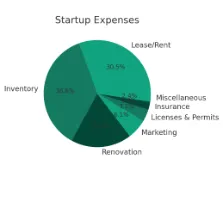
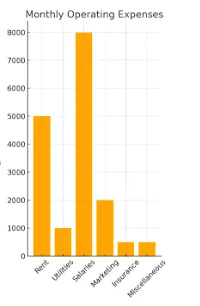
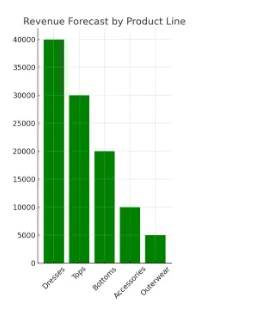
Includes break-even analysis to determine inventory to cover costs and make a profit, financial forecast to predict revenue, and a budget to track expenses and allocate funds. Provide investors, partners, and funding options. Make it easier to secure capital needed.
Consider market segmentation, media channels, and promotions for an effective marketing strategy. Segment the market by age, gender, location, interests. Reach them through traditional like print, radio, and television or digital like email, search, social media, influencers. Promote with discounts, rewards, loyalty programs, sponsoring events, influencers. Create content engaging potential customers and building relationships.
Successful operations ensure a smooth-running boutique. Outline duties, inventory management, space organization, customer service. Consider payment, returns, transactions, technology like Point-of-Sale systems, inventory management software, Customer Relationship Management platforms. Provide associated costs and staffing. Include logistical details like hours of operation, stock rotation, layout with costs and procedures.
Risk management is critical, especially with large inventory. Consider overstocking, supply chain issues, demand changes. Assess current inventory and next year’s projections to meet demand. Plan for unexpected changes in demand and supply. Consider target customers and associated risks like demographics, discounts, promotions on bottom line. Have contingency plans for unexpected situations to mitigate loss.
Need a Women’s Clothing Boutique Business Plan?
Create a custom business plan with financial projections and market research in minutes with ProAI’s business plan generator.
Here are some frequently asked questions about writing a business plan for a women’s clothing boutique:
Q: How long should a business plan for a boutique be?
A: A good business plan for a boutique should be 15–30 pages in length. It needs to be comprehensive but still concise enough to maintain the reader’s interest. Focus on the key points for each section.
Q: What should I include in the financial projections?
A: The financial projections section should include income statements for the next 3–5 years, cash flow projections, balance sheets, and key metrics and ratios. You’ll want to include projections for sales, expenses, profits/losses, inventory, rent, wages, and other significant costs. Be sure to provide explanations and justifications for the numbers.
Q: How much detail should I provide about my products?
A: When describing your product line, provide an overview of the styles, brands, and price points you will carry. Give a sense of the specific pieces through photographs or a visual merchandising layout. Describe any unique or standout products. However, you don’t need to list every single item — focus on the highlights and categories. The goal is to convey your vision and aesthetic to the reader.
Q: What key risks should I address?
A: Some important risks to address for a clothing boutique include:
● Economic downturns which reduce consumer spending
● Changing fashion trends that make your inventory obsolete
● Unreliable suppliers or supply chain issues
● Theft or damage of inventory
● Rising costs for materials, labor or retail space
● Competition from larger stores or online retailers
● Seasonal fluctuations in demand
Q: Should I include resumes for myself and key staff?
A: Yes, including short resumes or biographies for yourself and any key staff is a good idea. This helps establish your credibility and experience in the industry. Keep the resumes to 1 short paragraph — focus on relevant experience, qualifications and accomplishments. This information will help reassure investors and partners that you have the knowledge and skills to make the boutique successful.