
Frequently Asked Questions (FAQ) about Starting a Pharmacy Business
1. Q: What qualifications do I need to start a pharmacy business?
A: The qualifications needed to start a pharmacy business vary depending on your country’s regulations. Generally, you’ll need to be a licensed pharmacist or have a pharmacist partner who will oversee the pharmacy’s operations. Additionally, a solid understanding of the pharmaceutical industry, business management skills, and compliance with local health regulations are essential.
2. Q: How much capital do I need to start a pharmacy business?
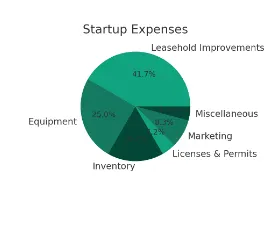
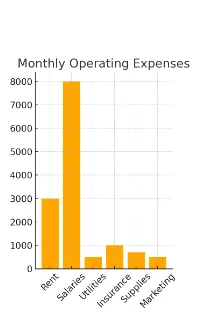
A: The required capital can vary based on factors such as location, size, and services offered. On average, starting a pharmacy may require anywhere from $150,000 to $500,000. This includes costs for licensing, inventory, rent, staff salaries, technology, and marketing. A well-prepared business plan will help you determine the specific financial needs for your pharmacy.
3. Q: What steps are involved in obtaining pharmacy licenses and permits?
A: Acquiring the necessary licenses and permits can be a multi-step process. You’ll typically need to apply for a pharmacy license from your state or country’s pharmacy board or regulatory agency. Requirements may include submitting detailed documentation, proving your qualifications, and passing inspections. Additionally, you may need specific permits related to operating a business in your locality.
4. Q: How do I select the right location for my pharmacy?
A: Choosing the right location is crucial for your pharmacy’s success. Look for a spot with high foot traffic, close proximity to medical facilities, and easy access for customers. Ensure that the location complies with zoning regulations and is not in direct competition with existing nearby pharmacies.
5. Q: What are some key considerations when sourcing pharmaceutical products?
A: When sourcing products, prioritize quality, reliability, and competitive pricing. Establish relationships with reputable wholesalers, manufacturers, and distributors. Ensure that the products you offer are approved by relevant health authorities and meet all safety and quality standards.
6. Q: How can I market my pharmacy to attract customers?
A: Effective marketing is vital for attracting customers. Utilize social media, local advertising, and community engagement to promote your pharmacy. Offer discounts, loyalty programs, and health-related educational content to build trust and loyalty with your clientele.
7. Q: What role does technology play in running a modern pharmacy business?
A: Technology plays a significant role in streamlining pharmacy operations. Invest in pharmacy management systems to manage inventory, customer records, and prescriptions efficiently. Embrace digital platforms to offer online services and engage with customers through email or mobile apps.
8. Q: How can I ensure my pharmacy stands out from competitors?
A: Providing exceptional customer service, personalized care, and expert advice will set your pharmacy apart. Engage with the community through health events, free consultations, and health-related seminars. Building strong relationships with customers will lead to word-of-mouth referrals and loyal patrons.
9. Q: What ongoing challenges might I face in running a pharmacy business?
A: Running a pharmacy comes with its share of challenges, including changing healthcare regulations, inventory management, rising costs, and competition. Staying updated with industry trends, maintaining compliance, and adapting to customer needs will help you navigate these challenges successfully.
10. Q: How long does it typically take to establish a profitable pharmacy business?
A: The timeline for profitability can vary depending on factors such as location, marketing efforts, and competition. In general, it may take anywhere from one to three years to establish a stable and profitable pharmacy business. Patience, dedication, and consistently delivering quality services will contribute to long-term success.