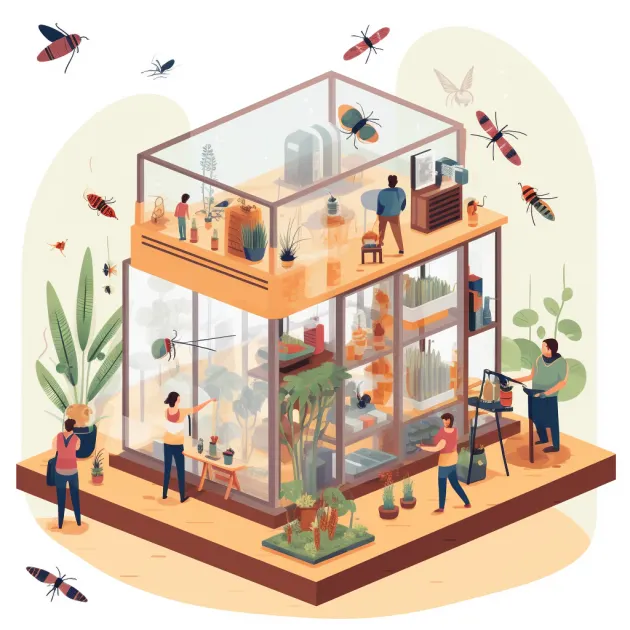
A: Starting an insect farm business offers a range of benefits. Insects are an eco-friendly and sustainable source of protein that requires minimal resources such as water and space compared to traditional livestock. Additionally, the increasing global interest in entomophagy presents a unique opportunity to tap into a growing market and contribute to the future of sustainable food production.
Q: What types of insects are commonly farmed for human consumption?
A: There are several insect species that are suitable for human consumption and are commonly farmed. Some popular options include crickets, mealworms, black soldier flies, and grasshoppers. Each of these insects has its own unique nutritional profile and breeding characteristics, allowing you to choose the one that aligns best with your business goals and market demand.
Q: Are there any legal considerations or regulations for insect farming?
A: Yes, before launching your insect farm business, it’s crucial to comply with all relevant local, state, and federal regulations. This includes obtaining necessary licenses, permits, and adhering to health and safety standards. Working with agricultural or health authorities in your region can help you navigate the legal requirements and ensure a smooth start to your venture.
Q: How do I ensure the quality and safety of my insect products?
A: Ensuring the quality and safety of your insect products is vital for consumer trust and satisfaction. Practice ethical and humane harvesting methods, and promptly process the insects after harvest. Implement strict hygiene and sanitation practices throughout your farm to minimize contamination risks. Additionally, following food safety guidelines and conducting regular quality checks will help maintain the standard of your products.
Q: What are some challenges I might face when starting an insect farm business?
A: Like any new venture, starting an insect farm business comes with its challenges. Some common hurdles include educating consumers about entomophagy, overcoming cultural stigmas associated with eating insects, and establishing a stable supply chain. However, with persistence, a solid business plan, and a well-executed marketing strategy, these challenges can be overcome.
Q: How can I market my insect farm products effectively?
A: Marketing your insect farm products effectively involves building brand awareness and educating consumers about the benefits of entomophagy. Create a compelling brand identity that aligns with your mission of sustainability. Utilize social media platforms, collaborations with local restaurants, and food businesses to reach your target audience. Offering insect-based recipes and conducting tasting events can also be effective in generating interest and expanding your customer base.
Q: Is insect farming environmentally friendly?
A: Yes, insect farming is considered environmentally friendly for several reasons. Insects have a significantly lower environmental footprint compared to conventional livestock, as they require less water, land, and feed to produce the same amount of protein. Moreover, insect farming can help in recycling organic waste, making it a sustainable solution for food waste management.
Q: Can I start an insect farm business on a small scale?
A: Absolutely! Insect farming can be started on a small scale, making it accessible to aspiring entrepreneurs. Starting small allows you to gain valuable experience, refine your processes, and test the market demand for your products before expanding. As your business grows, you can gradually scale up operations and invest in more advanced farming techniques.
Q: What if I have no experience in farming or entomology?
A: Not having prior experience in farming or entomology shouldn’t discourage you from starting an insect farm business. There are numerous resources available, such as books, online courses, and experts in the field, that can help you gain the necessary knowledge. A passion for sustainability, a willingness to learn, and perseverance are essential traits that will drive your success in this unique industry.