
15 Minutes Read
Creating A Winning Business Model
We see many entrepreneurs come to us with brilliant ideas an inventions, but the business model is lacking in some…


Last Updated: 12/17/2023
Have you always loved transforming rooms with a fresh coat of paint? Does the idea of running your own creative business spark excitement? If so, now may be the perfect time to start that house painting company you’ve been dreaming about.
While starting a painting business takes dedication and hard work, the payoff in terms of freedom, fulfillment, and financial reward makes it an incredibly worthwhile endeavor. In this guide, we’ll share insider tips to help launch your house painting venture successfully. Let’s dive in!
The first step is conducting in-depth market research. How many painting companies already operate in your area? What types of services do they offer? What rates do they charge? This information will help you identify an ideal niche, set competitive prices, and determine the best way to set your business apart.
Speaking with local real estate agents can also provide insights into homeowner needs and painting trends in your region. Their insider perspective makes agents fantastic resources.
Need a House Painting Business Plan?
Create a custom business plan with financial projections and market research in minutes with ProAI’s business plan generator.
While passion is crucial, you’ll need concrete painting skills and knowledge too. Consider investing in hands-on training like workshops or apprenticeships. Not only will this help you master essential techniques, but you’ll also learn industry best practices.
Depending on your location, certain certifications or licenses may be required to operate legally. Be sure to research regulations and acquire all necessary credentials.
Your brand is so much more than just a logo or website. It represents your business’ entire personality and essence.
Spend time brainstorming names and branding elements that speak to your values, vision, and style. Choose colors and fonts that reflect the tone you want to set. Aim for a cohesive look across your website, truck signage, uniforms, marketing materials, and more.
Never underestimate the importance of professional-grade equipment and materials. Invest in durable paint sprayers, ladders, brushes, rollers, and more.
When it comes to paint, don’t cut corners. Higher-end paints contain more pigmentation for better coverage and durability. The right primers and finishes also make all the difference for flawless, long-lasting results.
When pricing services, you’ll need to strike the ideal balance between profitability and competitiveness. Consider your overhead costs, labor expenses, and local market rates when setting prices. Offer tiered packages — a basic interior paint job versus specialty finishes, for example.
Don’t forget to factor in material costs. Fluctuating paint prices may require you to incorporate suppliers’ fees into quotes rather than a fixed rate.
In today’s digital era, an amazing website and strong social media presence are absolute musts. Invest in professional website design that captures your brand aesthetic. Showcase before-and-after photos of projects and include customer reviews.
Stay active on platforms like Instagram and Facebook. Share colorful “in progress” shots and repost happy client posts. Respond to all comments and messages promptly.
While digital marketing is crucial for discovering new leads, don’t ignore old-fashioned local outreach. Print professional flyers and business cards to hand out in surrounding neighborhoods. Seek partnerships with contractors, designers, property managers, and real estate agents who can refer you to clients.
Introduce yourself to neighbors by offering free color consultations. Giving back to local charities or community organizations can also build goodwill.
Satisfied clients equal free advertising in the form of word-of-mouth referrals and online reviews. Make customer service a top priority from your first interaction to the final walkthrough.
Communication is key — provide frequent project updates and listen attentively to homeowner needs. Arrive on time, work efficiently, and clean up thoroughly. Following up post-project and asking for feedback shows you care.
Juggling client projects, scheduling, supplies, and daily business operations is no easy task. Organization is essential.
Invest in job management software to track everything in one place. Create systems and checklists that keep you on top of payments, restocking, and administrative tasks. Don’t let things fall through the cracks.
By following these tips, you’ll be well on your way to growing a thriving, rewarding house painting business. We wish you the very best in your entrepreneurial journey!
Need a House Painting Business Plan?
Create a custom business plan with financial projections and market research in minutes with ProAI’s business plan generator.

Q: Is starting a house painting business a good career choice for someone with no prior experience in the painting industry?
A: Absolutely! While prior experience is beneficial, it’s not a prerequisite for starting a house painting business. Enrolling in painting workshops, courses, or working as an apprentice can provide valuable skills and knowledge to kickstart your entrepreneurial journey. What matters most is your passion for painting and your willingness to learn and grow in the field.
Q: How much initial investment is required to start a house painting business?
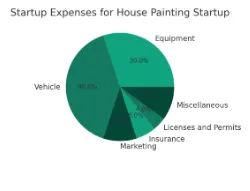
A: The initial investment required to start a house painting business can vary depending on your location, the scale of your operations, and the equipment you choose. On average, you can expect to invest between $2,000 to $5,000 for essential tools, paint supplies, marketing materials, and licensing fees. Keep in mind that expenses may fluctuate, so it’s crucial to create a detailed business plan to budget effectively.
Q: Do I need to hire employees right away, or can I run the business on my own initially?
A: The decision to hire employees depends on your workload and business goals. In the beginning, many entrepreneurs start as sole operators to keep costs low. As your business grows and you take on more projects, you may find it necessary to hire additional hands to meet demand and maintain quality service.
Q: How can I differentiate my painting business from the competition?
A: Building a strong brand identity and focusing on exceptional customer service can set your painting business apart. Create a memorable logo, showcase your portfolio, and gather positive customer testimonials to highlight your expertise and reliability. Offering unique services or specialty finishes can also make your business stand out in the market.
Q: Is it essential to have insurance for my house painting business?
A: Yes, having insurance for your painting business is crucial. Liability insurance protects you and your clients from potential accidents or property damage during painting projects. It helps build trust with your customers and provides peace of mind for both parties.
Q: How long does it take to complete a typical house painting project?
A: The time required to complete a house painting project varies depending on the size of the property, the scope of work, and the number of painters involved. On average, a single room may take a day or two, while an entire house could take a few weeks. Accurate estimation and efficient project management will help you meet deadlines and maintain customer satisfaction.
Q: How can I effectively market my house painting business to reach potential clients?
A: Utilizing a combination of online and offline marketing strategies is essential to reach potential clients effectively. Create a professional website and maintain an active presence on social media platforms like Instagram and Facebook to showcase your work. Distribute flyers and business cards in local neighborhoods, participate in community events, and collaborate with real estate agents or interior designers for referrals.
Q: Are there any environmental concerns related to the painting industry, and how can I address them?
A: Yes, there are environmental considerations when it comes to house painting. Many paints contain volatile organic compounds (VOCs) that can be harmful to the environment and human health. Consider using eco-friendly, low-VOC or zero-VOC paints, which are safer for both your customers and the environment. Communicate your commitment to environmentally friendly practices to attract eco-conscious clients.
Q: What are some common challenges faced by house painting business owners, and how can I overcome them?
A: Some common challenges include seasonal fluctuations in demand, intense competition, and managing cash flow. To overcome these challenges, focus on maintaining a diverse client base and offering additional services like power washing or deck staining during slower periods. Implement efficient scheduling and payment systems to manage cash flow effectively and maintain good relationships with suppliers to negotiate better terms.