
15 Minutes Read
Creating A Winning Business Model
We see many entrepreneurs come to us with brilliant ideas an inventions, but the business model is lacking in some…


Last Updated: 12/17/2023
Hey friends! I’m so excited to share my experience opening up my own purse boutique. I’ve always loved fashion and beautiful handbags, so starting a purse store was my dream. Of course, it was a ton of work — I made mistakes along the way and spent many sleepless nights worrying over the business. But in the end, it’s been super rewarding to see my passion project come to life!
I’m hoping my story will give you inspiration if you’ve ever thought about opening your own boutique. Here are the steps I took and the key things I learned…
Trust me, writing up that detailed business plan was no party. I spent weeks doing market research, crunching numbers, and outlining every little thing for my boutique — kinda felt like I was back in school! But having a solid plan made it possible for me to get startup funding and really map out every stage of the launch. Not glamorous, but so crucial.
Need a Purse Store Business Plan?
Create a custom business plan with financial projections and market research in minutes with ProAI’s business plan generator.
As a new business, I needed capital to cover inventory, fixtures, systems, marketing — you name it. I was nervous to ask, but my family helped out with startup loans. I also got an SBA loan, did some crowdfunding campaigns, and used my savings. Mixing and matching funding sources really worked. And my parents finally got their money back last year!
Choosing the right location was so stressful! I wanted a space with lots of foot traffic and big windows to showcase my purses. A spot downtown near coffee shops and boutiques ended up being a winner — got lots of weekday office workers, weekend boutique shoppers, plus evenings and events. It just felt right.
I didn’t expect the crazy amount of paperwork and red tape I ran into — permits, licenses, tax stuff. I needed help from my lawyer friend to get it all sorted. Definitely advise starting this process early so you can open on time! But once I got approved, it felt official.
As a purse lover, stocking up my inventory was so. much. fun! I went to trade shows and markets to find trendy bags and accessories at wholesale prices. I looked for unique pieces that suited my boutique’s vibe. Having the right mix of bags, wallets, and jewelry at different price points was key. I wanted options for all kinds of customers.
The design was almost as fun as the purses! I wanted my boutique to feel warm, inviting and stylish. I got nice racks and displays, cool lighting, painted the walls, put out cute decor. My favorite part was setting up the big window displays to draw people in. I also got a security system — protecting all my precious bags!
Marketing went into overdrive before I opened my doors. Social media ads, brochures, website content, events — I did it all! Securing press coverage was huge for awareness. Launch parties were super fun and got people excited. There were definitely growing pains, but the buzz was invaluable. I still do in-store promos and email campaigns to keep my boutique top-of-mind.
Owning my own purse boutique has always been a dream. And now that it’s a reality, I’m over the moon! Sure, entrepreneuring is tough, but I can proudly say I built this little shop from the ground up. Now I get to live my passion and bring stylish bags to my community. If I can leave you with one piece of advice — leap towards your dreams. You won’t regret it.
Need a Purse Store Business Plan?
Create a custom business plan with financial projections and market research in minutes with ProAI’s business plan generator.
What is the most important first step in starting a purse store?
The most critical first step is developing a detailed business plan. This should outline your business model, target market, competitive analysis, location, legal structure, startup costs and funding requirements. A solid plan is essential for securing financing and mapping out your new company.
How much inventory should I have when first opening my boutique?
As a new business, you want enough inventory to showcase your product selection but not too much that you tie up all your capital. Aim for 1–2 months worth of stock to allow for a rotational inventory model. Focus on finding core styles and products that align with your brand. You can expand from there.
What is the ideal retail location for a handbag shop?
The ideal location is one with heavy foot traffic, preferably in malls, shopping districts, downtown areas or other spots near your target demographic. Ground floor storefronts with large display windows are best for attracting walk-in customers.
Should I sell online in addition to my physical store?
Yes, having an ecommerce store in addition to your brick-and-mortar location allows you to expand your reach online. Make sure your website showcases photography and descriptions of your latest purse and accessory collections. Promote your online store through social media, digital ads and email campaigns.
What should my store layout look like?
Focus on creating an open, inviting layout with clear organization and displays that highlight your products. Have easily navigable aisles, large window displays, and fitting rooms for customers. Invest in quality racks, shelving, counters and lighting. Make the space stylistically pleasing and functional.
What tips do you have for marketing my boutique?
Maximize local marketing through channels like community event sponsorships, giveaways, partnerships with influencers, radio spots, networking events, and PR outreach to media. Content marketing, SEO, social media ads, email campaigns, window promotions and loyalty programs help attract and retain customers.
What are the common startup costs for a new purse boutique?
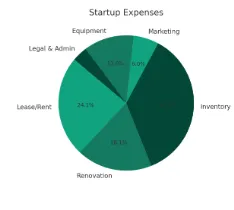
Typical startup costs often total $100,000 — $500,000 and include inventory, store design/fixtures, POS systems, permits/licenses, marketing, initial rent/deposits, insurance, payroll, and operating expenses until profitability. Have a funding plan that covers these costs.
What should I look for when sourcing wholesale suppliers?
Seek out suppliers with unique, stylish merchandise that fits your brand. Make sure they offer exceptional bulk discounts, minimum order quantities you can meet, and fast shipping times. Strong customer service and consistent product availability is also important. Inspect product quality thoroughly.
How much profit margin should I aim for with my merchandise?
Industry standards suggest keystone pricing, which is pricing your merchandise at double the wholesale cost. This results in a 50% gross profit margin before overhead expenses. However, your exact pricing model will depend on competition, customer demand, inventory costs, and your profit goals.