15 Minutes Read
Creating A Winning Business Model
We see many entrepreneurs come to us with brilliant ideas an inventions, but the business model is lacking in some…

Last Updated: 12/17/2023
If you’ve ever dreamed of owning your own miniature golf course, there’s never been a better time to turn that dream into reality. With some strategic planning and elbow grease, you can create a fun, profitable mini golf business. Here’s how to get started.
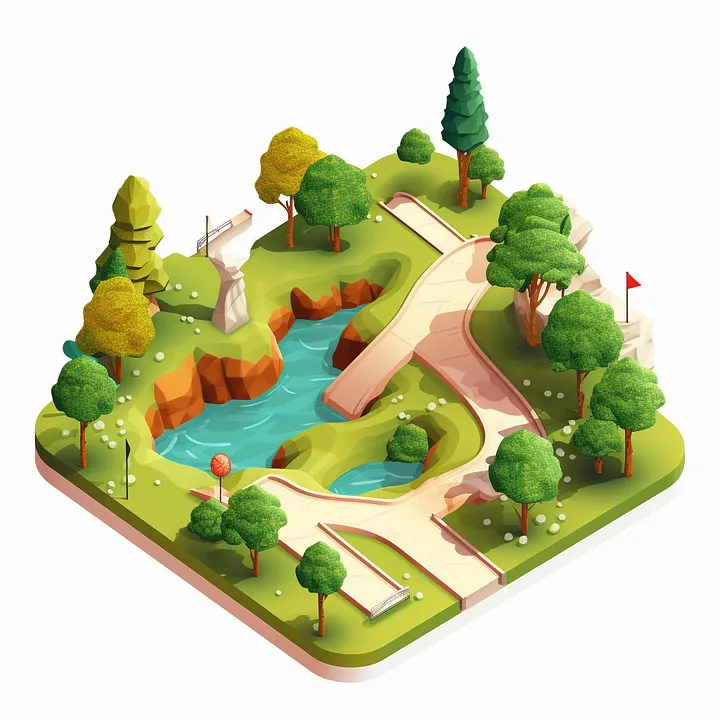
Theming is crucial for standing out. Classic options like pirates, dinosaurs and fairytales are always crowd-pleasers. Or go wild with wackier ideas — alien invasion, wild west, magic kingdom, you name it. Get creative with the hole designs too. Incorporate interactive elements like erupting volcanoes, waterfalls and pirate ship battles. Have a mix of easier and trickier holes so all skill levels can play. Make sure the layout flows well from hole to hole.
Need a Miniature Golf Course Business Plan?
Create a custom business plan with financial projections and market research in minutes with ProAI’s business plan generator.
Invest in commercial-grade artificial putting greens made specifically for mini golf. Go for a plush, nylon shag material that provides great ball roll. Interlocking turf panels make installation a breeze. You’ll also need clubs, balls, pencils, scorecards and fun decorations like flags, statues and backdrop scenery. Have proper lighting for evening play. Consider adding arcade games or a snack bar for more family fun.
Location is key — you’ll need high visibility and foot traffic. Look for spaces near family hot spots like restaurants, tourist sites and entertainment venues. 1–2 acres is ideal for an 18-hole course. Make sure there’s ample parking for weekends. If land is limited, rooftops or indoor spaces can work too. Research zoning laws and local competitors.
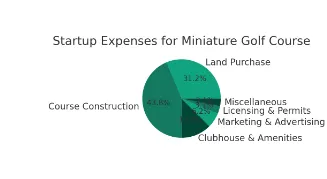
Starting costs range from $200k to $600k when you factor in land, construction, equipment and everything else. Create a solid business plan to present to potential lenders or investors. Have the right insurance coverage too — general liability and property insurance at minimum.
A great theme and decor will draw people in, but excellent service keeps them coming back. Hire energetic staff to run the course and make sure guests have a fantastic time. Let people reserve tee times online to avoid waiting. Offer family passes and host birthday parties. Set up leaderboards and prize opportunities. Share photos on social media to showcase all the fun. Send promotional emails to customers.
Review ADA requirements to ensure accessible holes for all skill levels. Have a variety of club lengths and ball sizes, including oversized ones for little hands. Keep walkways free of obstructions. Acquire all necessary permits and business licenses.
With the proper preparation, you can bring your mini golf vision to life! Just remember — fun, convenience and customer service are par for the course.
Need a Miniature Golf Course Business Plan?
Create a custom business plan with financial projections and market research in minutes with ProAI’s business plan generator.
How much space do I need for a miniature golf course?
For an 18-hole course, you’ll need approximately 1–2 acres of land. Make sure to have enough space between holes and allow room for landscaping features. You’ll also need parking, a clubhouse, snack bar, etc.
What are the startup costs?
Startup costs range from $200,000 to $600,000. This includes land acquisition, construction, equipment (turf, obstacles, lighting), decorations, insurance, marketing, and operating expenses until revenue stabilizes.
How do I choose the best location?
Look for locations near family entertainment venues, tourist areas, restaurants, and busy roads with visibility and foot traffic. Check zoning laws. Be sure there is ample parking available.
What kind of equipment do I need?
Invest in high-quality artificial putting turf, clubs, balls, accessories like pencils and scorecards, safety netting, flags, ball dispensers, lighting, animatronics, water features, and themed decor.
How can I make my course stand out?
Develop a fun, unique theme and make the most of themed decor, lighting, music, animatronics, interactive elements, and costumed staff. Offer extra amenities like snack bars, party rooms, and arcades.
How do I fund the business?
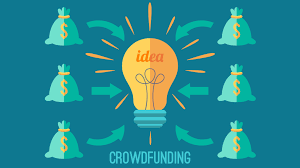
Financing options include small business loans, commercial real estate loans, private investors, crowdfunding, and business partners. Have a solid business plan demonstrating cost projections, profit potential, and your ability to repay loans.
What ongoing expenses will I have?
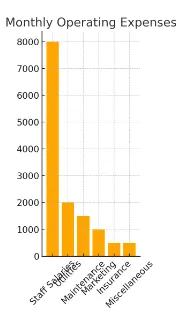
Plan for turf maintenance, landscaping upkeep, equipment repairs, liability insurance, recurring utilities, employee payroll, property taxes, marketing costs, loan payments, and periodic renovations.
How do I market my course?
Use social media, email promotions, online booking, flyers in tourist areas, partnerships with local businesses, birthday party specials, and corporate events. Focus on excellent customer service and word-of-mouth referrals.
What permits and insurance do I need?
You’ll likely need a business license, tax permits, construction permits, health inspection for food service, liability insurance, property insurance, and workers’ compensation for employees.
How can I make the course accessible?
Follow ADA guidelines for accessible holes. Have ramps, wider holes, and handrails where needed. Offer clubs and balls in various sizes. Keep walkways clear of obstructions.