startup
15 Minutes Read

How to Start a Pumpkin Farm Business in 2023

Last Updated: 12/17/2023 How I Started My Own Pumpkin Farm Business Hey there! Ever dreamed of starting your own pumpkin patch? Well, let me tell you, it’s an absolute blast…

Last Updated: 12/17/2023

How I Started My Own Pumpkin Farm Business

Hey there! Ever dreamed of starting your own pumpkin patch? Well, let me tell you, it’s an absolute blast if you’re willing to put in the hard work. I never imagined myself as a farmer, but when my wife and I moved out to the country, we decided to give it a go. Here’s how we got our little pumpkin farm up and running.

Finding the Perfect Spot

First things first — you’ll need land! We were lucky to have 5 acres that came with our property. It’s got great drainage, full sun all day, and decent soil. We’re right off a pretty busy road too, so easy for people to swing by. Definitely look into local zoning and permits in your area. You might have to jump through some legal hoops, which is a pain but worth it in the end.

Need a Pumpkin Farm Business Plan?

Create a custom business plan with financial projections and market research in minutes with ProAI’s business plan generator.

Prepping the Soil

Good soil makes all the difference. We tilled the land and had our dirt tested. Then we mixed in several truck loads of compost and manure to enrich it. Pumpkins like the pH around 6. We also cleared away any big rocks or debris that could get in the way of those beautiful vines.

Picking the Best Pumpkin Varieties

There are so many pumpkin types to choose from! After doing some research, we went with a few heavy-yielding varieties that grow well in our climate — Jack O’ Lanterns, Fairytale, and good ol’ Connecticut Field. We also planted some gourds and mini decorative pumpkins for variety.

To Seed or Not to Seed

You can start pumpkins from seed or buy starter plants. Seeds are much cheaper, so we started most of ours indoors under lights in late spring, then transplanted them outside in early summer. We also bought a few starter plants for instant gratification!

Timing is Everything

Pumpkins need warm soil and lots of frost-free days to thrive. We planted our seeds and seedlings in late May, a couple weeks after the last spring frost date for our area. It’s tricky, but be patient!

Water, Fertilize…and Weed

Pumpkins are thirsty! We laid soaker hoses for irrigation. Using a balanced 10–10–10 fertilizer every few weeks keeps plants happy and healthy too. Oh, and weeds — I’ve waged full out war on those suckers. They’ll take over if you blink an eye. Mulch is your friend for smothering them!

Battling Bugs and Beasty Borers

Pests are the worst. Those dreaded squash vine borers burrow into the stems and can destroy plants fast. We inspect carefully for signs of them and any other bugs. Row covers and companion planting marigolds help keep pests away. Gotta protect those precious pumpkin vines!

Pretty Flowers Make Fruit

It takes pollination from bees, butterflies, etc for the flowers to develop into pumpkins. We attract plenty of pollinators naturally, but I also hand pollinate using a small brush for extra assurance we’ll get lots of fruit.

Training the Vines

Letting the vines spread everywhere looks cool, but it actually stunts yield. We gently train the long vines in each hill to grow more upwards. Pruning back smaller side vines also helps funnel energy into the best fruits.

Reaping the Harvest

My favorite time — picking those plump pumpkins! The skin turns nice and orange when ripe. We cut fruits from the vine with several inches of stem still attached, then cure them in the sun before selling. Mmm, nothing better than pumpkin pie from your own patch!

That’s the gist of how we started our little pumpkin farm. It’s so worth it to see families stopping by for pumpkin picking and fall fun. With some ingenuity and elbow grease, you can do it too. Let me know if you have any other questions — happy growing!

Need a Pumpkin Farm Business Plan?

Create a custom business plan with financial projections and market research in minutes with ProAI’s business plan generator.

Pumpkin Farm Financial Forecasts

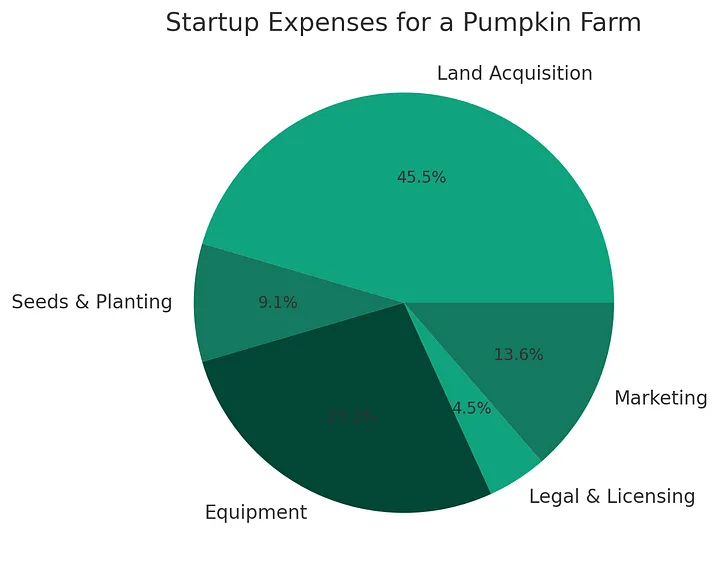
Startup Expenses

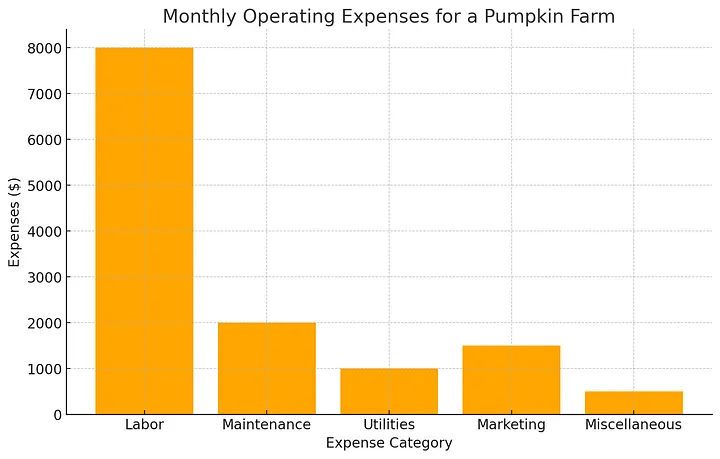
Monthly Operating Expenses

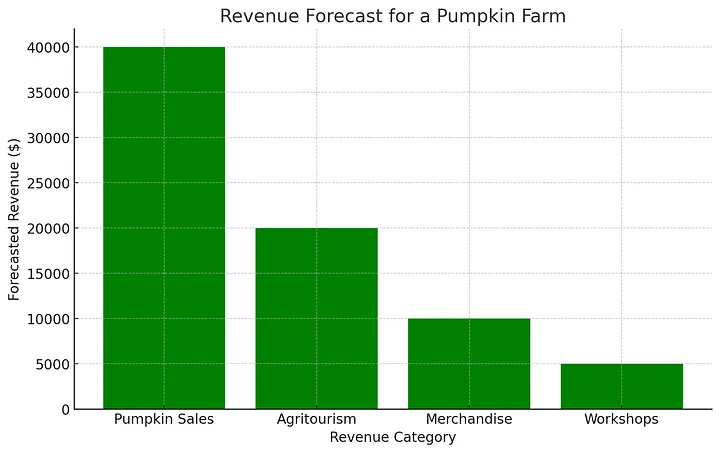
Revenue Forecast

Pumpkin Farm Business FAQ

Q: How much land do I need to start a pumpkin farm?

A: It’s recommended to have at least a few acres to grow a profitable pumpkin crop. The more land you have, the more pumpkins you can grow! Start small your first year as you learn the ropes.

Q: What types of permits or licenses do I need?

A: Check your local zoning laws and regulations. You may need permits related to signage, buildings, food sales, etc. Also look into state and federal requirements for agribusiness.

Q: How much does it cost to start up a pumpkin farm?

A: Startup costs can range from $5,000-$10,000 or more, depending on size and features. Major costs include land preparation, irrigation, seeds, equipment, marketing, insurance, licenses, etc. Start small to keep costs down initially.

Q: When should I open the farm to the public?

A: Late September through October are ideal times. Be sure to open a few weeks before Halloween at the least. You want pumpkins ripe and ready for picking when customers start arriving.

Q: What staffing will I need?

A: Family help may work initially but consider hiring farm hands, sales associates, social media/marketing, and security, plus seasonal staff in the fall.

Q: How can I fund and get loans for my business?

A: Look into USDA Farm Service Agency loans. Your local Farm Bureau and SBDC can also help point you to resources. Have a solid business plan to present to potential lenders and investors.

Q: What insurance should I get?

A: Secure appropriate farm, crop, liability and equipment insurance. Consult insurance professionals on coverage options and rates for your business.

Q: How do I market and advertise?

A: Social media, Google ads, highway signage, flyers, farm website, articles in local papers, lists of fall events, and word-of-mouth can all help spread the word. Offer promotions and special events.

You May Also Like