
15 Minutes Read
Creating A Winning Business Model
We see many entrepreneurs come to us with brilliant ideas an inventions, but the business model is lacking in some…


Last Updated: 12/17/2023
If you love technology and want to be your own boss, starting an information technology (IT) company can be an exciting venture. But launching a successful IT business takes careful planning and hard work. Here are some tips to get your tech startup off the ground.
First, spend time researching the IT industry and local market. Look at growth forecasts and trends in areas like software, managed services, cybersecurity, cloud computing, and more. Study competitors and identify unmet needs your company could potentially fill. Surveys, focus groups, or informal interviews with prospective customers can provide insights. Use what you learn to shape your business model.
Need a Information Technology Business Plan?
Create a custom business plan with financial projections and market research in minutes with ProAI’s business plan generator.
Evaluate structures like sole proprietorship, partnership, LLC, and corporation. LLCs offer personal liability protection with pass-through taxes, while corporations provide the highest liability protection but double taxation. Weigh factors like regulations, costs, and paperwork requirements. Consult legal and tax advisors to decide what works best.
Register your business name and establish the proper licenses and accounts for taxes and regulations. File paperwork like Articles of Incorporation if incorporating. Having these legal ducks in a row legitimizes your IT business.
Creating a solid business plan is key for success and attracting investors if needed. Outline your company overview, products/services, market analysis, management team, operations, and financial projections. Demonstrate an understanding of the competitive landscape. Let the plan guide your strategy and execution.
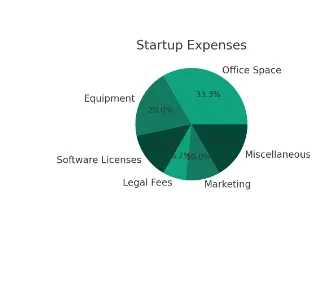
Calculate how much startup capital you need for initial expenses like software, equipment, talent acquisition, and office space. Self-funding through savings is an option, or you can seek outside financing through small business loans, angel investors, or VC funding. Government small business grants and loans can also help offset costs.
Invest in essential hardware, software, systems, and services to build your IT infrastructure and capabilities. Exact needs will vary based on your specific offerings. Balance budget-friendliness with getting the right technology to effectively deliver your products/services.
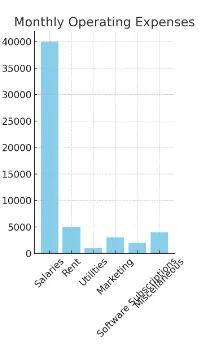
Limit hiring to essential roles first, like technical talent to develop and deliver your offerings. Avoid unnecessary overhead. Outsource to contractors for support needs like marketing or HR. As you begin generating revenue, you can expand your team incrementally.
Promote your IT company through techniques like search engine optimization, digital ads, social media, attending local tech events, networking, and old-fashioned word-of-mouth. Develop a brand identity through your website, logo, content, etc. Build buzz and awareness.
Offer solutions that solve real problems at reasonable prices. Avoid over-engineering products or padding proposals. Provide ongoing support and training to customers when needed. Deliver an amazing service experience. Building a reputation for adding value will win business.
Make customer satisfaction the top priority, even above short-term profits. Be transparent and responsive when issues arise. Solicit feedback and continuously improve offerings. Providing an exceptional customer experience will earn loyalty.
Starting an IT company takes vision, diligence, and patience. But the opportunity exists to build something amazing. Keep your passion, and don’t be afraid to adjust your plan when needed. With hard work and commitment, your technology venture can thrive.
Need a Information Technology Business Plan?
Create a custom business plan with financial projections and market research in minutes with ProAI’s business plan generator.
What are some low-cost options for funding my IT startup?
If you don’t have significant personal savings or access to investors, there are some lower-cost alternatives for funding your IT business. Look into small business grants, crowdfunding campaigns, small business loans/lines of credit from banks, or financing from the equipment manufacturers themselves. Startups can also apply to incubator/accelerator programs for funding, mentoring, and other resources.
What legal issues should I be aware of?
Some key legal considerations are intellectual property protection for any software or inventions, proper licensing for software/platforms you use, compliance with data/privacy laws, cybersecurity standards, forming contracts with clients/vendors, and liability insurance. Consult a lawyer to ensure you have the right agreements and protections in place.
How quickly can I expect my IT business to become profitable?
It typically takes 1–3 years for an IT startup to reach profitability. Software companies tend to become profitable sooner than IT services firms. Factors like your funding, burn rate, revenue growth, client acquisition costs, and economic conditions also impact the timeline to profitability. Don’t expect overnight results, be strategic about finances, and focus on sustainability.
Should I rent office space or work virtually?
This depends on your budget, goals, culture, and stage of growth. Many early-stage startups operate virtually to save costs, offering flexibility and allowing you to meet clients offsite. More established IT firms may want physical offices for team collaboration and legitimacy with enterprise clients. There is no one-size-fits-all approach, so evaluate options carefully.
How many employees should I start hiring?
Bring on just essential expertise early, and outsource roles like marketing if possible initially. As your client base and revenues grow, you can hire incrementally for specific needs. Starting lean and remaining agile on headcount keeps personnel costs manageable. Only hire staff you truly need and can afford at each phase of your company’s development.