
15 Minutes Read
Creating A Winning Business Model
We see many entrepreneurs come to us with brilliant ideas an inventions, but the business model is lacking in some…


Last Updated: 12/17/2023
I’m so excited to share my journey opening a walk-in clinic in my neighborhood this year. It’s been an incredibly rewarding experience as both a nurse and a new business owner. I’m thrilled to provide easily accessible, affordable healthcare options to my community.
Choosing the right location was crucial. I looked for areas without existing urgent care clinics so I wouldn’t directly compete. I wanted somewhere convenient, with parking and public transit access. Considering demographics and demand, I settled on a plaza near schools, retirement homes and suburbs — the perfect spot!
The permitting and legal processes were daunting. I worked closely with my attorney to handle healthcare facility requirements, occupancy changes, radiology permits, and licenses. Regulations vary locally, so this research was critical to properly set up my business.
Need a Walk-In Clinics Business Plan?
Create a custom business plan with financial projections and market research in minutes with ProAI’s business plan generator.
I collaborated with a medical construction company to design a relaxing yet functional clinic. We have a waiting room, procedure room, exam rooms, x-ray room, reception area, lab, and the other necessary sections — all laid out for ideal workflow. It’s efficient but still comfortable.
Hiring compassionate, talented staff was so important. We have a supervising physician, nurse practitioners, nurses, techs and administrative team. I recruited at medical schools and associations to find the perfect blend of clinical expertise and bedside manner.
Before opening, I worked tirelessly with my attorney to get licensed and accredited. This included securing my state medical license, DEA registration, lab certifications, malpractice insurance, and meeting all healthcare mandates. I wanted to open fully compliant and prepared.
I researched entity types and decided an LLC provided the right liability protection while allowing pass-through taxes. I also officially registered my business name, got an EIN, and set up business bank accounts.
I partnered with a reputable medical billing company to handle insurance claims, payments, and administrative tasks. We accept all major insurers so patients are covered. With their expertise and my clinic software, billing goes very smoothly.
My marketing has focused on community outreach — printing flyers, running local ads, speaking to groups, asking happy patients for online reviews, and hosting a big grand opening event. My goal is becoming the neighborhood’s go-to urgent care clinic.
By working closely with a compliance officer, we uphold the highest standards for safety, privacy, infection control, biohazards, documentation and more. I also conduct regular staff trainings on policies and procedures.
Overall, starting this clinic has been incredibly rewarding, though definitely a big undertaking. I’m proud to provide accessible, quality care in a warm, convenient setting. As a nurse entrepreneur, I feel so fulfilled making a difference in my community. My clinic has quickly become a valued local healthcare resource, and that is extremely gratifying.
Need a Walk-In Clinics Business Plan?
Create a custom business plan with financial projections and market research in minutes with ProAI’s business plan generator.
What are the most popular services at walk-in clinics?
Walk-in clinics provide convenient access to care for common illnesses and injuries. Most offer services like physical exams, vaccinations, cold/flu treatment, sore throat testing, sinus infections, bronchitis, earaches, asthma care, allergies, pink eye, skin conditions, urinary tract infections, wound care and x-rays.
What qualifications and licenses do you need to open a clinic?
You’ll typically need a supervising physician, nurse practitioners and/or physician assistants to provide care. The physician requires a state medical license and DEA registration. Staff will also need appropriate licensure and credentials like registered nursing licenses. The business itself will need licenses, lab accreditations, insurance and more.
How much does it cost to start a walk-in clinic?
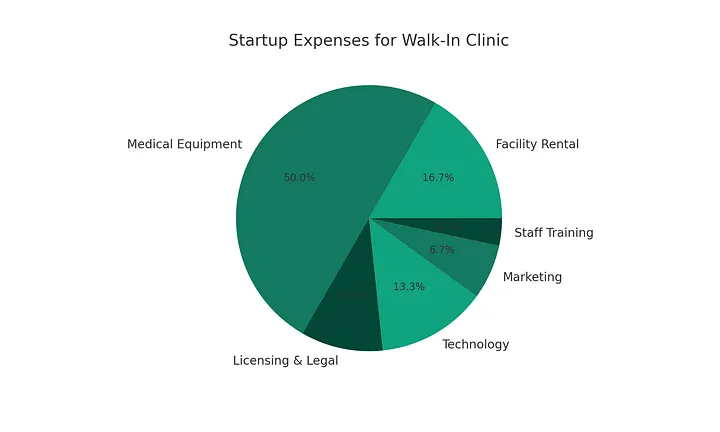
Costs vary based on size, services, equipment, staffing and other factors. However, many new urgent care clinics require around $100,000 — $1 million to open when factoring in real estate, renovations, supplies/technology, licensing, insurance, hiring, etc. Investors or business loans can provide startup capital.
What are the biggest challenges of running a clinic?
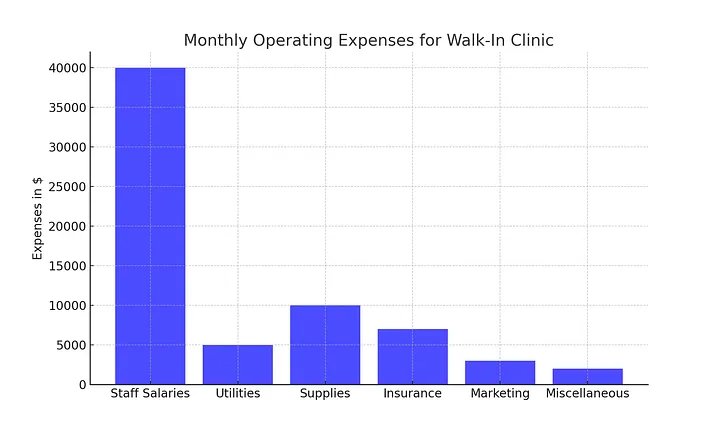
Common challenges involved in operating a walk-in clinic include hiring/retaining qualified staff, maintaining regulatory compliance, keeping up with technology, controlling overhead costs, implementing efficient clinical workflow, competing with other facilities, dealing with complex insurance requirements and balancing the business/medical aspects.
What is the profit potential of walk-in clinics?
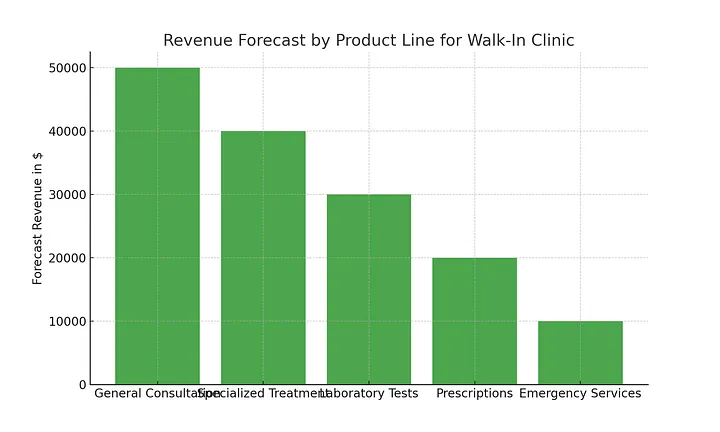
Well-run urgent care centers can generate solid profit margins, although new locations take time to build patient volume. Gross revenues for a clinic seeing 30–40 patients daily typically range around $1.5 — $2 million annually. After expenses, successful clinics often make 10–15% profits, with potential to make 20% or more.
How can you market a new urgent care business?
Marketing strategies like print/digital ads, signage, direct mailers, press releases, networking, social media, grand opening events, promotions and search engine optimization can spread the word about your clinic. Partnering with employers for worker injuries can also drive referrals. Focus on conveying your convenience and services.
Does a walk-in clinic require a brick-and-mortar office?
Yes, an urgent care clinic requires a physical office to allow walk-in patients and provide medical services, exams, testing, x-rays, procedures and treatment. Some hybrid models offer additional telemedicine services, but a clinic needs a properly equipped clinic space open for set hours. Leasing a space can minimize startup costs.
What are the steps in starting a successful clinic?
Major steps include choosing a location, handling permitting/zoning, designing the space, hiring staff, obtaining licenses/credentials, establishing your business structure, implementing billing systems, opening insurance contracts, purchasing supplies/equipment, marketing your services and maintaining regulatory compliance.
What are the rewards of owning a walk-in clinic?
Benefits include providing essential healthcare to your community, the personal and professional fulfillment of owning a medical business, helping patients conveniently access treatment, working with a team of providers and staff, the entrepreneurship of building a company, the ability to deliver quality care on your own terms, and enjoying the financial success of an in-demand service.