15 Minutes Read
Creating A Winning Business Model
We see many entrepreneurs come to us with brilliant ideas an inventions, but the business model is lacking in some…

Last Updated: 12/17/2023
A newsletter publishing business plan is crucial for any entrepreneur looking to launch a successful newsletter publishing company. Without a thorough business plan, it’s difficult to determine if your business model is viable and how you plan to generate revenue. A business plan will also help clarify your business goals and objectives, determine the best way to monetize your content, and understand the market and competitors. It’s important to consider the financial and legal implications of starting a newsletter publishing business and planning for growth. A comprehensive business plan is key to the success of any newsletter publishing business.
Need a Newsletter Publishing Business Plan?
Create a custom business plan with financial projections and market research in minutes with ProAI’s business plan generator.
A successful newsletter publishing business plan must be comprehensive and include all aspects of running a newsletter publishing business. A strong business plan should include an executive summary, company description, market analysis, marketing plan, financial analysis, and more. Here are the key elements to include when creating a newsletter publishing business plan:
An executive summary gives a concise overview of your business and its objectives. It should include information about the services or products offered, your target audience, and strategies for success.
This section fully introduces the company. Start with the name of the publication, target audience, and owner’s details. Highlight the legal standing and goals. Provide a brief market study showing you understand trends in the regional publishing industry and why the publication will succeed.
Industry Analysis — Explain the current state of the industry and how you plan to compete.
Competition Analysis — Understand competitors’ strengths and weaknesses. Explain how you’ll differentiate and capitalize on differences.
Marketing Analysis — Explain how you’ll market the newsletter, advertising/promotional strategies, platforms to promote, and how you’ll measure success.
Who are you writing for? Answering this question determines content, style, format, advertising, and promotion. Do you have a specific demographic, age group, gender, or geographic region in mind? Craft content to appeal to and engage them. Determine topics and stories to keep them coming back. Create a marketing plan to reach readers.
Create an editorial calendar with topics, stories, and guest writers. Keep deadlines and relevant, engaging content. Consider frequency, format, language, style, and brand values. Promote via social media campaigns, press releases, partnerships, advertising. Plan costs like design, hosting, and distribution.
Ensure a professional, easy to read, engaging design reflecting your brand. Use a template or hire a designer. Consider free tools like Canva or Lucidpress if on a budget. Content should be engaging, informative, and relevant. Consider topics, type of content, style, tone, and brand consistency.
Understand how newsletters will be distributed. Consider digital (email, social media, web applications) and print (traditional mail, newspapers, magazines) based on your target audience. Choose options that maximize reach while staying within budget. Provide estimated subscribers and costs monthly.
Well-thought-out pricing is essential. Consider subscription, pay-per-click, pay-per-view, pay-per-download or other models. Free trials, discounts, loyalty programs are important considerations. Consider your audience and competition. Include your pricing model to help investors understand your vision for generating revenue.
Utilize social media, create an online presence, content marketing (related blog posts), influencer relationships, partnerships, traditional marketing. Consider creating print ads, direct mail campaigns, even radio ads for wider reach.
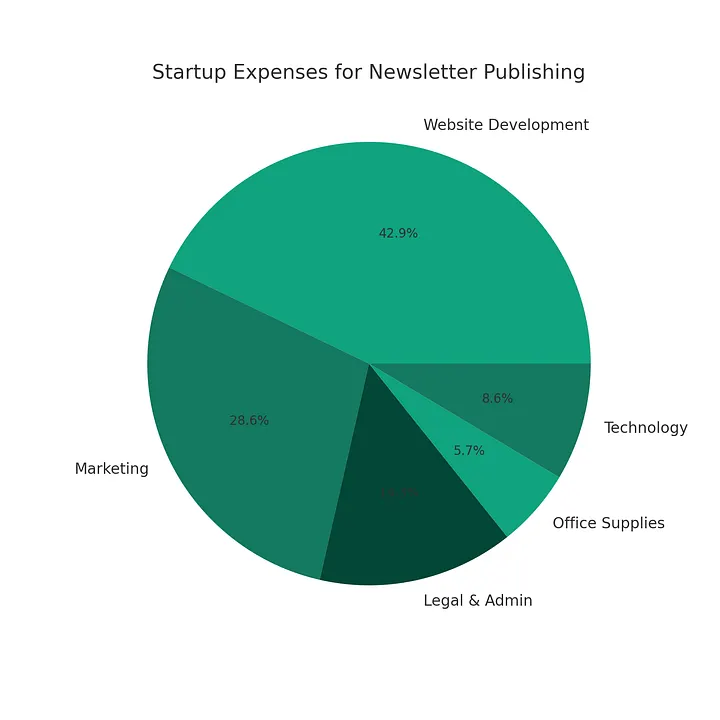
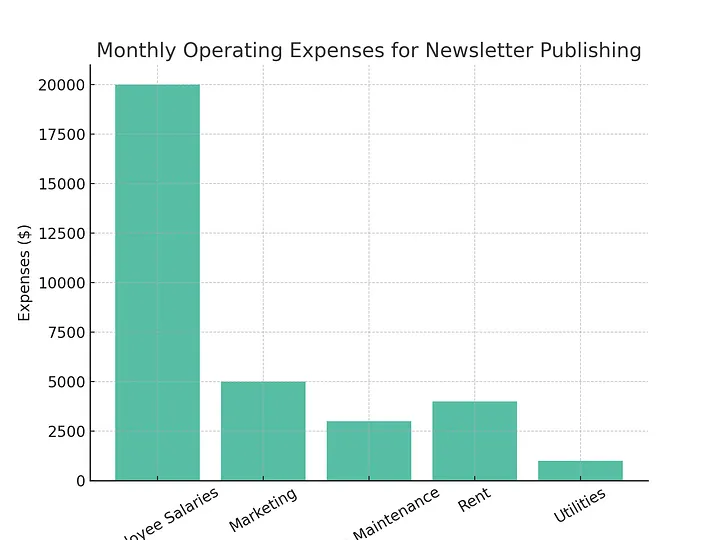
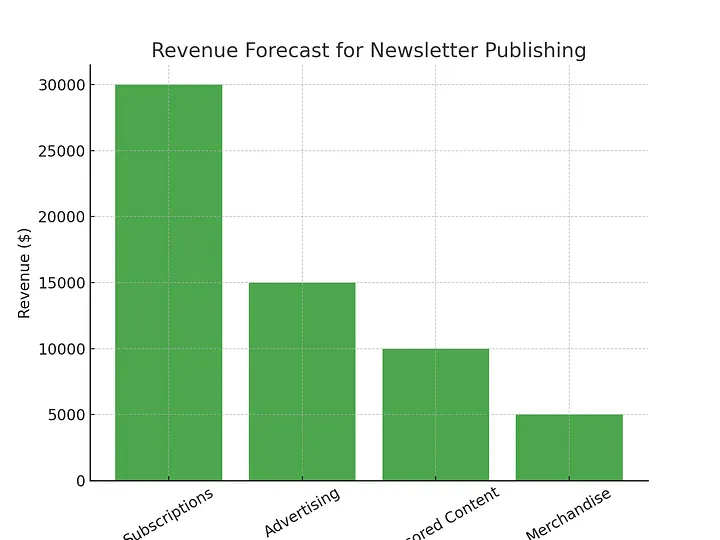
Review goals, budget, development, printing/distribution, and staffing costs. Factor in technology/software costs. Create a financial plan including subscription fees, advertising income, and other revenue. Include expense projections for printing, distribution, staff. Include a detailed break-even analysis showing when the business will start generating a profit. This gives investors confidence in your ability to succeed.
Need a Newsletter Publishing Business Plan?
Create a custom business plan with financial projections and market research in minutes with ProAI’s business plan generator.
Q: How long should a newsletter publishing business plan be?
A: A good newsletter publishing business plan should be between 15 to 25 pages long. Cover the essential elements but be concise. An executive summary of 1 to 2 pages highlights key points for investors.
Q: How often should I update the business plan?
A:Review and update your newsletter publishing business plan at least once a year. Update as needed to reflect changes in your business model or market and fix any outdated information. Investors will want to see relevant changes reflected in the plan.
Q: Should I include funding requirements in the business plan?
A: Yes, including funding requirements, investments requested, and how funds will be used to achieve your goals and objectives is important for investors. Be very detailed regarding funding needs, how funds will specifically be allocated, and potential returns on investment.
Q: How can I get feedback on my newsletter publishing business plan?
A:Several options for getting feedback on your business plan:
• Share with business colleagues or mentors in the publishing field for industry-specific advice.
• Connect with a SCORE counselor or business advisor to review and provide general feedback.
• Enter your plan into a business plan competition to receive feedback from judges. Even if you don’t win, you’ll get expert opinions on how to improve.
• Hire an editor or business plan consultant to professionally review and edit your plan.
• Get feedback from potential investors to strengthen the plan before more broadly sharing.
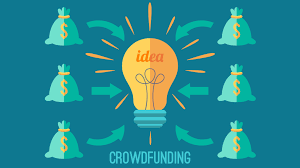
• Consider crowdfunding your newsletter business to allow potential readers and subscribers to review your plan and provide feedback as part of their decision on whether or not to invest or subscribe.
• Host a focus group of individuals from your target audience to get direct feedback on your business model, marketing plan, and overall vision.