
15 Minutes Read
Creating A Winning Business Model
We see many entrepreneurs come to us with brilliant ideas an inventions, but the business model is lacking in some…


Last Updated: 12/17/2023
Are you passionate about improving healthcare through technology? If so, starting a medical software company could be a rewarding endeavor. However, to succeed you’ll need a well-crafted business plan to outline your vision, identify risks, and chart a course to success. A business plan also helps attract funding from investors. This article provides tips for writing an effective medical software business plan for 2023.
A business plan is essential for any new company, but especially for those in the medical field. A good plan maps how to turn your idea into reality. It shows you’ve done thorough market research, created financial projections, and developed an action plan. It also helps attract investors and partners. A strong plan proves you understand your customers, resources, products, and services. Simply put, a well-made business plan is vital for success in the medical software industry.
Need a Medical Software Business Plan?
Create a custom business plan with financial projections and market research in minutes with ProAI’s business plan generator.
A medical software business plan for 2023 should be comprehensive yet concise. It should include:
•An executive summary
•Company description
•Market analysis
•Product or service details
•Team and personnel
•Industry overview
•Marketing strategy
•Financial projections
•Goals and milestones
The executive summary outlines your business concept and its potential. Include your mission, market, competitive advantages, target customers, and offerings. List financial metrics like revenue, costs, and ROI. Highlight your team’s experience. Engage readers and convey key details to hook investors.
Describe your software, features, contacts, and the developer’s background. Discuss its legal structure and short/long-term goals. Show how trends in the medical software industry, and why your solution will succeed.
Industry Overview: Discuss the medical software industry, growth trends, key players, and how you fit in.
Competition Analysis: Evaluate competitors’ strengths/weaknesses and how you’ll gain advantage.
Marketing Analysis: Detail your target market, marketing tactics (content, email, social media), and pricing strategy. Explain how you’ll reach customers.
Describe your software’s features and benefits. Explain how it’s unique. Provide development cost and timeline estimates. Discuss how you’ll sell the software (one-time, license, subscription) and offer support. Consider future features to stay ahead of competition.
Describe the skills and experience required for each role. Decide whether to hire employees or outsource work. Include a training/development plan so your team understands healthcare and the software. Explain compensation and benefits to attract top talent.
The medical software market is growing fast with increasing focus on patient care and healthcare efficiency. Discuss market size, growth projections, competitors, target customers, trends, risks, and opportunities. Forecast growth and potential market share to show profitability and investor ROI.
Research your market and ideal customer profile. Create a budgeted plan including tactics (content, email, social media), timeline, and how you’ll differentiate from competitors. Explain how you’ll reach customers.
Consider hiring experts and professional business plan writers to guide you. Research potential partners thoroughly. Include budget for external help which can save time and money.
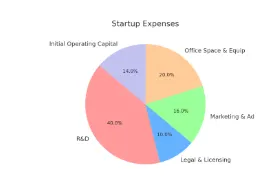
Detail capital, operating costs, and revenue projections. Use industry standards to price products/services and include risks/opportunities. Provide 5-year projections showing growth and profitability. Include break-even analysis so investors know when you’ll become profitable.
Explain why you want to start the business and how you’ll measure success. Set SMART goals, e.g. launch software and gain 50 hospital clients in first year. List objectives to achieve goals like: develop software by [date], hire team, set marketing budget. Outline key milestones so you stay on track.
Need a Medical Software Business Plan?
Create a custom business plan with financial projections and market research in minutes with ProAI’s business plan generator.

Here are some questions potential investors may ask about your medical software business plan:
Q: How much will it cost to develop the software?
A: The total estimated cost for initial development is [$$$]. This includes hiring a team of programmers and UX designers, as well as testing and optimizing the platform.
Q: How will you make money? What is your pricing model?
A: We will make money through [licensing the software, selling subscriptions, etc.]. Our pricing model is [describe model, plans and associated fees].
Q: Who are your target customers?
A: Our target customers include [list types of medical practices, healthcare organizations, hospitals, etc.]. We aim to serve healthcare providers ranging from small private practices up to large hospital systems.
Q: How will you market the software?
A: Our multi-channel marketing strategy includes [content creation, search engine optimization, email marketing, social media, advertising, trade shows, etc.]. We will focus on educating our target customers about how our solution can save them time and money while improving patient care.
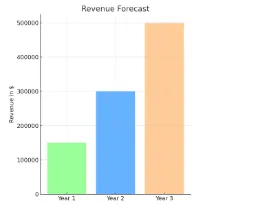
Q: What is the projected growth and revenue over the next 3–5 years?
A: Here are our financial projections over the next 3–5 years:
•Year 1: [$$$] revenue, [$$$] profit
•Year 2: [$$$] revenue, [$$$] profit
•Year 3: [$$$] revenue, [$$$] profit
•Year 4: [$$$] revenue, [$$$] profit
•Year 5: [$$$] revenue, [$$$] profit
We project steady growth over the next few years as we onboard new customers and continue optimizing and improving our software platform. Profit margins will increase as we scale due to the high margin nature of software.