
Business Planning
15 Minutes Read

Medical Language Translation Business Plan: the Ultimate Guide for 2024

Last Updated: 12/17/2023 If you’re looking to start a medical language translation business, you’ve come to the right place. In today’s globalized world, medical language translation is becoming increasingly important…

Last Updated: 12/17/2023

If you’re looking to start a medical language translation business, you’ve come to the right place. In today’s globalized world, medical language translation is becoming increasingly important to overcome language barriers between medical professionals and patients. A well-crafted medical language translation business plan can help establish a successful business providing critical services to the medical community. In this article, we’ll look at the components of a medical language translation business plan, how to write one, and provide tips and samples to get you started.

Why is a Medical Language Translation Business Plan Important?

A medical language translation business plan is essential for any company providing these services. Without a clear plan and strategy, your business will be unable to gain the trust and confidence of potential customers. A well-crafted business plan will also help identify potential challenges and opportunities, creating appropriate strategies to tackle them. Additionally, a medical language translation business plan provides a clear roadmap to success, helping stay accountable and on track. Finally, a well-thought-out business plan is an invaluable tool for investors and partners interested in funding or partnering with your business.

Need a Medical Language Translation Business Plan?

Create a custom business plan with financial projections and market research in minutes with ProAI’s business plan generator.

How to Write a Medical Language Translation Business Plan

When writing a medical language translation business plan, first identify the scope of services you plan to offer. Consider the languages you are proficient in, the types of medical documents you can handle, and any other services you plan to offer. Once you’ve identified the services you plan to provide, you can start writing your medical language translation business plan.

Components of a Medical Language Translation Business Plan:

Executive Summary

The executive summary is the most important part of your medical language translation business plan. It should provide a comprehensive overview of your business and explain why your services are necessary in the medical community. It should highlight your target market, how you plan to compete, and summarize your financial goals.

Common elements of an executive summary include:

– Mission statement

– Proposed services

– Market analysis

– Competitor analysis

– Growth strategy

– Financial goals

– Potential risks

An executive summary is essential for obtaining investors and securing funding. Make sure it’s comprehensive and persuasive.

Company Description

The company description outlines your mission statement, the purpose of your services, a brief history of the company, ownership structure, and current legal status. Explain why you’re qualified to offer medical language translation services and provide a brief market analysis showing you understand the needs and trends of the industry. Finally, explain short and long-term goals and how you plan to achieve them.

Market Analysis

The market analysis is typically divided into three parts:

Industry Analysis Provide an overview of the medical language translation industry and explain the current demand for your services. Include statistics and research to support your claims and explain why now is the right time to start your business.

Competition Analysis Outline your competitors and explain why your services are better. What makes your business stand out from the competition?

Market Analysis Explain how you plan to reach your target market. What marketing strategies will you use to make your business known? What methods do you plan to use to stay ahead of the competition?

Services

The services section outlines the specific services you plan to provide. Include a detailed description of the types of documents you will translate, the languages you will specialize in, and the turnaround time for each project. Also include any additional services you plan to offer such as proofreading, editing, translation of audio/video recordings, and professional training. Finally, outline any technology you plan to use to streamline the translation process, such as translation memory software and machine translation tools.

Employees

Outline your hiring practices, employee training process, and any employee benefits you plan to offer. Additionally, outline any qualifications or certifications required to perform the job. Describe the roles and responsibilities of each employee and how you plan to manage and motivate the team. Finally, provide an estimate of the total cost of employing staff, such as wages, insurance, and benefits.

Technology

Technology is an important factor to consider. Outline the technology you will use to ensure you provide accurate and timely translations. This includes the software you will use for translation, the databases you will use to store documents, and the systems you will use to manage client information.

Explain how you plan to protect client privacy and confidential information. Outline the security measures you will use to protect your data, such as firewalls, encryption, and passwords.

Finally, explain how you plan to use technology to streamline your operations and make them more efficient. Include details about any automation that you plan to use and how it will benefit your business.

Market Overview

Provide an in-depth look at current market conditions. Explain current trends in the industry, growth opportunities, and potential risks and challenges. Provide data on the size of the market, the number of competitors, and the growth potential of the medical language translation industry. Also include an analysis of any regulatory changes or policies that may affect your business. Finally, explain how you plan to use this data to formulate a successful business plan.

Marketing

Explain how you plan to reach your target market. What marketing strategies will you use to make your business known? How will you generate leads? What methods do you plan to use to stay ahead of the competition?

Understand the needs of your target market and the channels they use to find services like yours. Then outline your marketing strategy to reach them. Examples include email campaigns, social media marketing, search engine optimization, content marketing, and more. Include the estimated cost of each strategy and how it will help generate leads and convert them into customers.

Location

Think about the physical location of your business and the digital infrastructure needed to provide quality services.

For physical locations, consider the size of space needed and whether to lease or purchase a building. Include details about the location such as access to transportation, parking, internet services, and any other beneficial features.

For digital infrastructure, consider the software and technology needed to provide medical language translation services. For example, you might need software to facilitate remote meetings or a secure online platform to store and transfer documents. Include the cost of any necessary equipment in your business plan.

External Help

You will likely need help from external professionals to launch your medical language translation business. Explain the type of external help you may need and how you plan to get it.

Common external professionals include:

– Lawyers

– Accountants

– Business consultants

– Marketers

Explain in detail how these professionals will help achieve your goals and what you plan to do to get their expertise. Include an estimate of the cost of their services and how you plan to cover those expenses.

Financial Analysis

The financial analysis section is key to convincing investors that your business is a worthwhile investment. Include a detailed breakdown of your start-up costs, operating costs, and anticipated income. Be sure to include information on pricing, expected profits, and cash flow. Also include a break-even analysis showing how quickly you expect to become profitable.

Provide financial projections for the next three to five years. Finally, include a contingency plan outlining how you plan to manage unexpected costs and other financial risks.

Need a Medical Language Translation Business Plan?

Create a custom business plan with financial projections and market research in minutes with ProAI’s business plan generator.

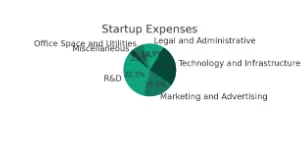
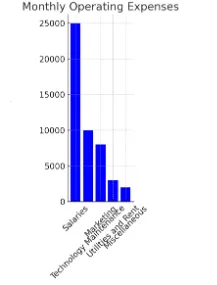
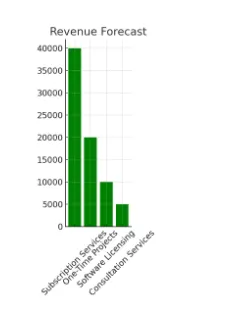
Medical Language Translation Financial Forecasts

Startup Expenses

Monthly Operating Expenses

Revenue Forecast

FAQ

What software tools will I need?

Common tools for medical translation businesses include:

– Translation Memory software to store and reuse translations

– Machine Translation tools to facilitate the initial translation

– Terminology Management tools to build specialized glossaries

– Project Management software to organize workflows and deadlines

– Accounting software to manage billing and invoicing

How much will I charge clients?

Pricing for medical translation services typically ranges from $0.12 to $0.20 per word, depending on complexity and language pairs. You can charge on a per-word or per-hour basis. Consider your costs, profit margins, and competitors’ rates when determining pricing. You may offer volume discounts for large projects.

How long will it take to become profitable?

Most medical translation businesses become profitable within 6–18 months. The timeline depends on factors like start-up costs, growth rate, pricing, and efficiency. Carefully monitor revenue and expenses, especially in the first year. Make adjustments as needed to achieve profitability as quickly as possible while still providing high quality service.

What certifications or credentials do I need?

While certifications are not always required, they can help establish your credibility. Recommended credentials for medical translators include:

– ATA Certification for Healthcare Interpreters

– Board Certification as a Medical Interpreter (CMI)

– Certified Medical Interpreter (CMI) designation from the National Board of Certification for Medical Interpreters

– Graduate degree in translation, linguistics or a healthcare field.

Continuous education and training are also expected to keep your knowledge and skills up to date.

Does this revision sound like it was written by a human and achieve the goal of targeting the keyword “medical language translation business plan”? Please let me know if you would like me to clarify or expand on any part of this revision. I’m happy to revise it further.

You May Also Like