15 Minutes Read
Creating A Winning Business Model
We see many entrepreneurs come to us with brilliant ideas an inventions, but the business model is lacking in some…


Last Updated: 12/17/2023
The eCommerce industry’s growth has made mail order returns an essential part of retail. A solid mail order returns business plan outlines how to operate a successful returns company. It identifies potential issues and establishes objectives to achieve goals. If you want to start a mail order returns business, develop a comprehensive plan. This article provides an overview of key business plan elements and offers tips for writing one.
A mail order return business plan is critical for success. It helps identify problems, develop solutions, set goals, and objectives to achieve them. It shows investors you’re serious and have a path to success. A well-written plan keeps you organized, on track, able to evaluate progress, and make adjustments. It serves as a roadmap, helping navigate challenges.
Need a Mail Order Returns Business Plan?
Create a custom business plan with financial projections and market research in minutes with ProAI’s business plan generator.
Writing a mail order returns business plan can be complicated but doesn’t have to be. Here are the essential elements to include:
The executive summary introduces your plan. It should include:
– A mission statement
– Business and product/service description
– Market overview
– Financial projections
– Operating plan summary
– Risk analysis summary
The executive summary should compel readers and make them want to learn more.
The business description provides an overview, including:
– Business description, legal structure, and history
– Mission and short/long-term goals
– Market analysis showing you understand industry trends and will succeed
– Product/service outline and how you’ll differentiate from competitors
– Target market details, including who they are and how you’ll reach them
The market analysis examines the industry, target market, and competition.
Explain current trends, opportunities, and risks in mail order returns.
Identify your target market, including who and where they are, and why they’re ideal customers.
Outline competitors, comparing pricing, customer service, and other key factors affecting your success. Explain how you’ll stand out.
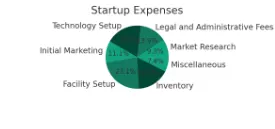
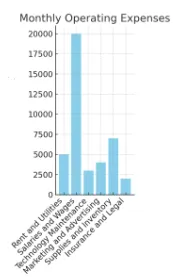
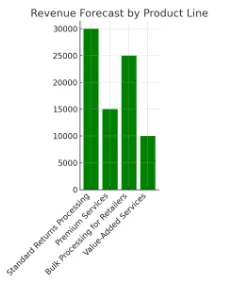
The financial plan details financial projections, including:
– Start-up costs like equipment, software, inventory, etc.
– 12-month sales forecast
– Operating expenses including staffing, marketing, shipping, etc.
– Cash flow analysis showing money coming in and out
– Capital requirements and funding sources/uses
The operational plan describes how your business will operate, including:
– Daily operations and return handling processes
– Order tracking systems
– Customer service systems and guarantees/warranties
– Complaint/issue handling
– Business launch timeline and scaling plan
The risk analysis identifies potential risks and how you’ll address them, including:
– Industry changes
– Shifts in customer needs
– New competitors
– Poor product/service quality
Discuss insurance policies and contingency plans for risks.
The growth plan details how you’ll expand and increase profitability, including:
– Expansion plans to grow your customer base
– Product development plans
– Sales strategies
– Marketing strategies
– Using technology to improve operations and customer service
A SWOT analysis evaluates your Strengths, Weaknesses, Opportunities, and Threats (SWOT) to understand your position and improve, including:
– Strengths like experience, customer base, unique offerings, etc.
– Weaknesses like inexperience, limited resources, lack of market knowledge, etc.
– Opportunities like partnerships, new markets, technology, etc.
– Threats like increased competition, changing needs, regulations, etc.
Describe your company’s structure, including:
– Ownership, governance, and management team details
– Roles and responsibilities
– Legal structure (sole proprietorship, partnership, LLC, etc.)
– Policies, procedures, and processes
Describe your product/service, including:
– Unique features that set you apart
– Proprietary technology/processes for better offerings
– Quality standards and certifications/regulations
– Product/service availability timeline
Your sales and marketing plan details how you’ll reach your target market and generate sales, including:
– Sales strategy, pricing, promotions, and product/service positioning
– Advertising and sales campaigns (email, social, etc.)
– Customer service strategy
Need a Mail Order Returns Business Plan?
Create a custom business plan with financial projections and market research in minutes with ProAI’s business plan generator.