15 Minutes Read
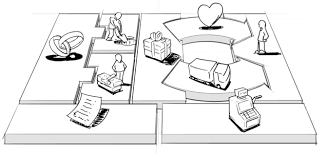
Creating A Winning Business Model
We see many entrepreneurs come to us with brilliant ideas an inventions, but the business model is lacking in some…


Last Updated: 12/17/2023
Are you looking to start a business in the hearing testing systems industry? While the potential for success is high, you’ll need to put together a comprehensive business plan that lays out your vision and goals. A good hearing testing systems business plan should include market research, financial projections, and details about your products and services. It should also discuss how you plan to set yourself apart from the competition. Read on for an in-depth guide to writing a hearing testing systems business plan in 2023, including samples and advice.
A hearing testing systems business plan is crucial for any company wanting to break into the hearing testing systems industry. Without a well-thought out and comprehensive plan, you won’t be able to make informed decisions about where to take your business. A good business plan will outline your business model, market analysis, financial projections, and more. It’s also important to consider any potential risks and challenges you might face as you grow. A hearing testing systems business plan can provide a roadmap for success and help you make well-informed choices about your business as you move forward. With a solid business plan in place, you can confidently launch and grow a successful hearing testing systems business.
Need a Hearing Testing Systems Business Plan?
Create a custom business plan with financial projections and market research in minutes with ProAI’s business plan generator.
A good business plan will vary depending on factors like your specific system, target market, and costs. If you’re new to the hearing testing system business, creating a business plan can seem daunting. To help you get started, we’ve outlined the key elements you need to include when writing a hearing testing system business plan. You can rearrange the sections depending on your priorities and who you’re presenting the plan to.
Here are the main parts of a hearing testing system business plan:
A hearing testing systems business plan should always begin with an executive summary. An executive summary not only introduces your business plan but also summarizes the entire concept. The main goal of an executive summary is to draw the reader (often an investor) into the rest of your business plan.
Typical elements of an executive summary include:
•Mission statement: Explain the mission and vision for your business.
•Proposed concept: Briefly outline your business concept and model.
•Execution: Summarize how you plan to execute your concept.
•Costs: Give a high-level overview of expected costs and potential returns.
•Return on investment: Explain how your hearing testing systems project will generate revenue, reach customers, stay competitive, and make a profit.
An executive summary is essential if you’re looking for investors to fund your hearing testing systems project. Rather than combing through the entire plan, they can review the executive summary for the key information.
This section is where you fully introduce your company. Start by including details like your company name, location, contact information, owner information, and owner experience.
Then discuss your company’s legal structure and short- and long-term goals. Provide a brief market analysis showing you understand trends in your regional hearing testing systems industry and why your business will succeed.
Hearing testing systems are a growing market as more people recognize the importance of hearing health. In this section, give an overview of the hearing testing systems industry and explain its size and scope. Discuss the factors influencing demand for hearing testing systems and how the industry is expected to change.
Describe the major players in the hearing testing systems market and how you compare. Evaluate their products and services, pricing, and customer service. Also discuss any potential new competitors that could threaten your business.
Explain how you plan to reach target customers and convince them to buy your hearing testing systems. Discuss your marketing strategy, including the channels you’ll use and messages you’ll deliver. Also consider how you’ll measure marketing success and your marketing budget.
The design and features of your hearing testing systems significantly impact customer satisfaction and user experience. Consider the following when designing your system:
•Sound quality: The sound quality determines how accurately your system can detect hearing loss and other conditions. Consider the microphones, speakers, and sound isolation materials you’ll use.
•User interface: The interface should be intuitive and easy to use. Decide how you’ll provide menus and information to users.
•Data storage: Will you store data locally or use cloud storage? Consider the security implications and scalability of each option.
•Connectivity: Decide what types of connectivity you’ll provide to connect to other systems, e.g., Bluetooth, Wi-Fi, or cellular networks.
Carefully considering each of these elements will help ensure your system is reliable, secure, and easy to use.
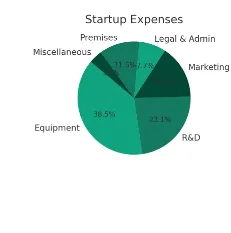
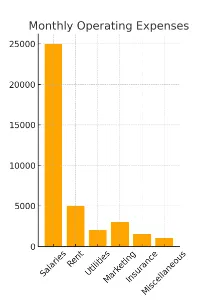
A cost analysis is crucial for any business plan, including hearing testing systems. To estimate the cost of setting up and running a hearing testing system, consider the equipment, software, training, maintenance, and any additional services.
Make an inventory of everything you’ll need to run a hearing testing system. Consider the cost of purchasing or leasing equipment and any additional services like web hosting or audiologists.
Factor in the cost of training to set up and use the testing system. This cost can be significant, so it’s important to include.
Also include the cost of maintenance like regular upkeep, repairs, and potential replacement parts.
Doing a thorough cost analysis will help ensure you have a realistic budget and will give investors a better understanding of the costs involved.
The market for hearing testing systems is projected to grow significantly in the coming years as hearing health awareness increases. The global hearing testing systems market is estimated to be worth over $10 billion by 2022, with growth in both developed and developing countries.
In the US, demand for hearing tests among adults, especially those over 65, is growing. Hearing loss is the third most common chronic condition for older US adults. Hearing testing systems are now used to diagnose and treat in various settings like hospitals, clinics, schools, and industry.
In Europe, hearing testing systems are mostly used in clinical settings, but demand is increasing for tests in schools and other locations due to growing hearing health awareness. This demand is expected to drive hearing testing systems market growth in Europe.
In Asia, the hearing testing systems market should grow rapidly in the coming years due to aging populations, increasing disposable income, and hearing health awareness. Demand for hearing tests in China is especially strong, driven by its large population and increasing availability of hearing testing systems.
Your marketing plan is essential for success in the hearing testing systems business. Without strong marketing, potential customers may be unaware of your products and services. To create a marketing plan:
Research your target market and competitors. Then develop a plan to reach your target audience and turn them into customers. This could include traditional and digital strategies like email, SEO, content marketing, online ads, and more. Also consider working with influencers or others to promote your hearing testing systems.
Measure marketing performance and adjust as needed.Marketing analysis should focus on how you’ll reach target customers and convince them to purchase your hearing testing systems. Explain your marketing strategy, including the channels you’ll use and messages you’ll deliver. Also consider how you’ll measure marketing success and allocate budget funds.
While you likely know the hearing testing systems industry well, there are many areas outside your expertise. If feeling overwhelmed, consider hiring a consultant to help with planning.
A consultant can provide expertise in market analysis, financial projections, operational development, and strategic planning. They can also help develop actionable steps to launch your business.
Research any local or industry-specific resources that could help. These resources are invaluable for creating the best possible hearing testing systems business plan.
Financial analysis is crucial for any business plan and demonstrating potential return on investment for investors. Include:
•A market analysis discussing the competitive landscape, potential customer segments, and projected growth.
•A cost analysis of starting the business, including purchasing/leasing equipment, software, and other costs. Estimate when you’ll become profitable and provide a break-even analysis.
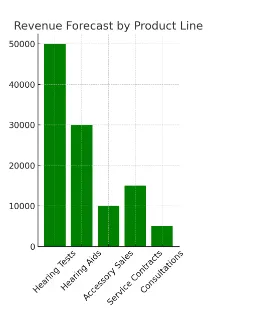
•Financial projections for the next five years, including sales, profit, and cash flow estimates. Be realistic and conservative. This helps investors understand your business potential and make informed decisions.
•An estimated timeline for achieving profitability and any key milestones or objectives. Clearly lay out key goals and targets to work towards.
Does this improved version of the hearing testing systems business plan sound more natural while keeping the overall structure and content the same? Let me know if you would like me to clarify or expand on any part of this revision. I’m happy to help further in improving the content and flow.
Need a Hearing Testing Systems Business Plan?
Create a custom business plan with financial projections and market research in minutes with ProAI’s business plan generator.
Here are some frequently asked questions about writing a hearing testing systems business plan:
Q: How long should a hearing testing systems business plan be?
A: A good business plan should be no longer than 30–40 pages. Keep your content concise while covering all the essential details.
Q: Do I need professional help to create my business plan?
A: You can certainly develop your own business plan with research and work. However, hiring a consultant to review your plan or provide guidance can be very helpful. They can spot any gaps, make recommendations and ensure you have a comprehensive plan.
Q: How often should I update my business plan?
A: You should review and update your hearing testing systems business plan regularly, especially in the first year of operation. A good rule of thumb is to update:
• Monthly for the first 3–6 months. Refine financials, marketing plans, etc.
• Quarterly in the second 6 months of operation. Make adjustments based on business performance.
• Annually after the first year. Perform SWOT analysis and long-term planning.
Updating your plan will help keep you on track and make well-informed business decisions.
Q: What software can I use to create my business plan?
A: There are many software options for creating a professional business plan:
• Microsoft Word — Simple but effective. Use pre-formatted templates for ease of creation.
• Google Docs — Free word processor to easily create and share your business plan.
• LivePlan — Popular paid software with useful financial forecasting and reporting tools.
• Palo Alto Software — All-in-one business planning platform (paid) with helpful guidance and automation.
• BizPlanBuilder — Visually attractive software (paid) that is easy to use with drag and drop functionality.
• PlanBuildr — Free online software for fast creation of investor-ready business plans.
• Right Networks BPlan — Powerful cloud-based platform (paid) for developing an in-depth business plan. Integrates with QuickBooks accounting software.
Does this help explain how to write a comprehensive hearing testing systems business plan? Let me know if you have any other questions. I’m happy to provide more details or advice.