15 Minutes Read
Creating A Winning Business Model
We see many entrepreneurs come to us with brilliant ideas an inventions, but the business model is lacking in some…


Last Updated: 12/17/2023
Are you looking to start your own health club in 2023? The key to success in this competitive industry is crafting a thoughtful business plan. A well-designed health club business plan provides clarity and direction. It helps identify challenges, set goals, and serves as a roadmap to success. From financing and marketing to hiring and customer service, a health club business plan is essential.
In this article, we’ll discuss how to write a thorough health club business plan. We’ll provide tips and examples to get you started. With the right approach, you’ll be on your way to opening a successful health club.
Many new health club owners skip creating a detailed business plan. It’s easy to see why — the process requires time and can be complicated. However, without a proper plan, you’re essentially operating without vision or purpose.
It’s unlikely investors will fund a health club without a solid plan. And if they do, the lack of planning and oversight will likely lead to failure. A health club business plan maps how you’ll profit, your place in the market, and how you’ll stand out. While developing the plan takes effort, the rewards of a successful club are worth it.
Need a Health Club Business Plan?
Create a custom business plan with financial projections and market research in minutes with ProAI’s business plan generator.
A good business plan considers factors like membership type, target market, location, and more. If you’re new to the industry, creating a plan can seem daunting. To help, here are the key elements to include:
The executive summary outlines your key points, mission, and goals. It gives readers a clear picture of your business, objectives, and how you’ll achieve them.
Key elements include:
● Mission statement
● Business overview
● Services offered
● Market analysis
● Financial plan
● Competitive analysis
● Key risks and opportunities
● Regulatory environment summary
The summary should be concise yet informative, helping investors make informed decisions.
Introduce your company here. Include:
-Name, location, contact info
-Owner details and experience
-Legal standing and short/long-term goals
-Brief market study showing you understand trends and will succeed
-Services, target market, and marketing strategies
-Member experience overview
Discuss the current industry state and outlook. Analyze segments, trends, growth opportunities, and competitors. Identify major players and how they’re positioned.
Determine how you’ll differentiate from competitors. Highlight any advantages and how you’ll leverage them.
Identify your target market and why they’re a good fit. Use research to understand their needs and preferences. Analyze current demand, services wanted, and how you’ll reach customers.
Discuss your membership structure including:
-Types of memberships
-Cost of each membership
-Benefits and discounts
-Loyalty programs
-New member promotions
Explain how members join, cancel, and manage accounts. Discuss any associated fees.
List basic amenities like exercise equipment, locker rooms, and a reception area. Consider a pool, spa, sauna, or classes and the space needed. Ensure you meet all regulations.
Choose a convenient, accessible location for members considering:
-Population density -Competition -Traffic/parking
● Adequate, secure building -Space for amenities -Budget-friendly rent/lease
Research helps identify the best spots.
The global health club industry is booming with over 200,000 clubs expected in 2023. A growing population values health, convenience, and affordability.
The US industry generated $34 billion in 2020, a figure expected to steadily rise as more join clubs.
The industry specializes to meet demand for yoga, personal training, nutrition counseling, etc. Health clubs also expand via online classes, virtual training, and mobile apps.
A marketing plan outlines your target market and how to reach them. Consider digital marketing for young professionals, print/radio for older adults. Create a budget and content strategy for each channel. Consider hiring a consultant.
Your website should be your marketing hub — well-designed and easy to navigate.
External help provides valuable insight and ensures you’ve covered all bases. Business consultants help develop marketing/sales strategies, identify targets, set pricing, and develop plans. They provide financial feedback, helping make sound investments and budgeting decisions.
Seek advice and feedback from trusted professionals.
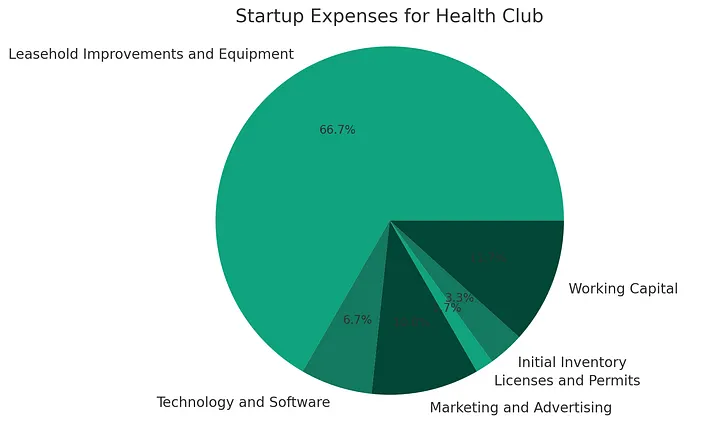
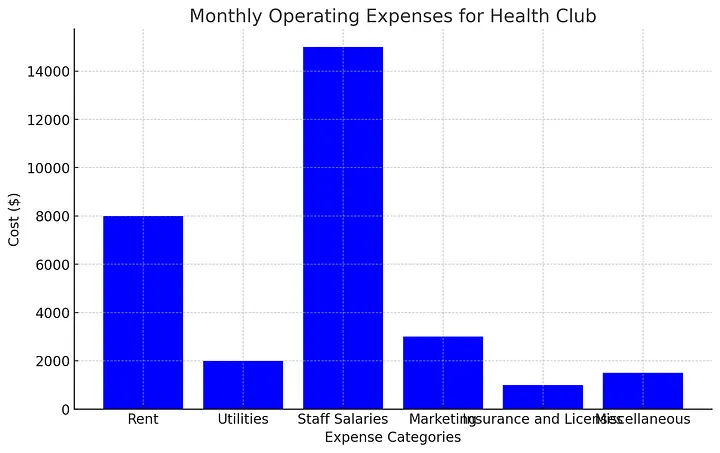
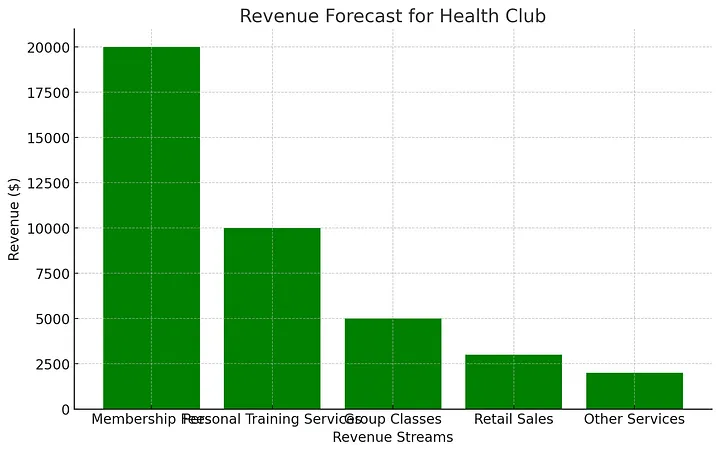
Determine start-up, fixed, and variable costs. Project income from membership fees and services. Factor in potential members and average fees.
Include a break-even analysis showing when you’ll profit, important for investors. Discuss risks and mitigation strategies, demonstrating your understanding and planning.
Need a Health Club Business Plan?
Create a custom business plan with financial projections and market research in minutes with ProAI’s business plan generator.