Business Planning
15 Minutes Read

Global Event Planning Business Plan: the Ultimate Guide for 2024

Last Updated: 12/17/2023 Are you looking to establish a successful global event planning company? The key to your success will depend on preparation and organization. Developing a comprehensive business plan…

Last Updated: 12/17/2023

Are you looking to establish a successful global event planning company? The key to your success will depend on preparation and organization. Developing a comprehensive business plan is essential to determine strategies, secure resources, set objectives, and navigate challenges. This guide provides an in-depth overview of how to craft a global event planning business plan for 2023, including key elements, tips, and examples.

Why You Need a Global Event Planning Business Plan

A well-developed global event planning business plan is crucial for success. It helps identify resources and strategies to achieve your goals. It also prepares you for obstacles and allows you to allocate resources, set targets, and track progress. Without proper planning, you risk being unprepared for opportunities and unable to compete. A strong plan gives you the best chance to stand out and succeed.

Need a Global Event Planning Business Plan?

Create a custom business plan with financial projections and market research in minutes with ProAI’s business plan generator.

How to Develop Your Global Event Planning Business Plan

Writing a global event planning business plan considers factors like event scope, target market, and resource requirements. The order of sections depends on your audience and priorities. Here are the essential components:

– Executive Summary

– Company Description

– Event Planning Services

– Target Market

– Competitive Analysis

– Event Marketing Plan

– Event Budget

– Event Design

– Human Resources

– Financial Analysis

Executive Summary

The executive summary is the most critical part of your plan. It should briefly and persuasively summarize your entire plan to generate interest. Include your mission, event details, target market, budget, and projected return on investment. With a compelling executive summary, you’ll capture the attention of investors and clients.

Company Description

Briefly describe your company, goals, owners’ experience, and qualifications. Discuss your legal structure, short and long-term objectives, and market. Detail the services you offer and your target clients. Keep this concise while giving a complete picture of your business.

Event Planning Services

Describe the types of events you plan in detail, including size, scope, and services offered. Explain required resources like staff, equipment, and supplies. Discuss your process for planning and executing events. Include pricing, discounts, and loyalty programs. Help investors and clients fully understand what you offer.

Target Market

Discuss the demographic groups you aim to serve, including age, gender, location, and income. Explain why they match your services and how you will reach them. Analyze current and projected market growth. Thorough research and understanding of your target market is key.

Competitive Analysis

Identify direct and indirect competitors, including services, pricing, and target markets. Analyze strengths and weaknesses. Explain how you differ. This helps determine opportunities for growth and gives investors insight into challenges and competition.

Event Marketing Plan

Detail how you will promote events to your target audience through channels like press releases, social media, email campaigns, and more. Discuss strategies for generating interest, tracking success, and optimizing your approach. A comprehensive marketing plan demonstrates your preparation and ability to succeed.

Event Budget

Provide a detailed budget for each event, including personnel, supplies, equipment, venue, and other costs. Explain how you will allocate and manage funds for each event. Use realistic estimates and include contingencies. Give investors a clear picture of financial risks and rewards.

Event Design

Describe your vision and process for designing and executing events. Discuss themes, decor, features, and flow. Explain how you will handle issues and ensure smooth execution. Details about your creative approach and problem-solving abilities will give investors confidence in your skills.

Human Resources

Discuss the roles, responsibilities, qualifications, and experience required for your team. Explain your recruitment, hiring, and retention processes. Detail compensation and benefits offered. Give investors insight into the expertise and people power behind your company.

Financial Analysis

Provide event budgets, timelines, income projections, profit and loss statements. Estimate costs for personnel, equipment, supplies, marketing, and more. Project potential revenue and profits. Investors need this information to determine the financial viability and potential of your business.

Need a Global Event Planning Business Plan?

Create a custom business plan with financial projections and market research in minutes with ProAI’s business plan generator.

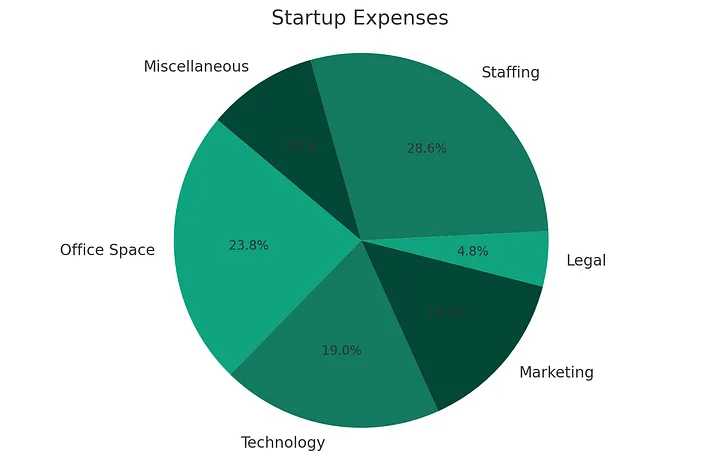
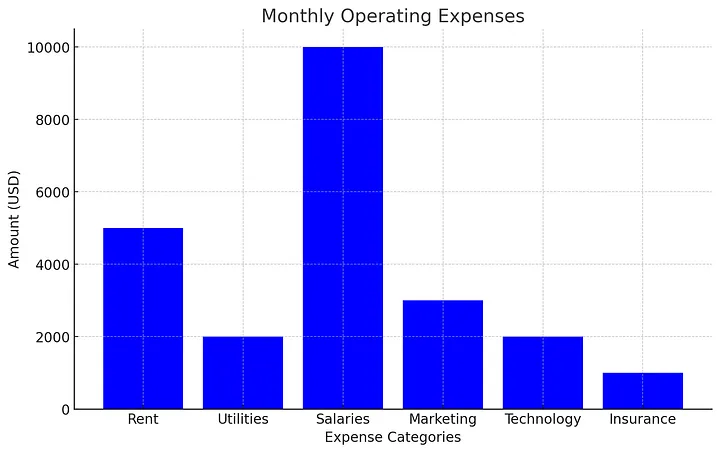
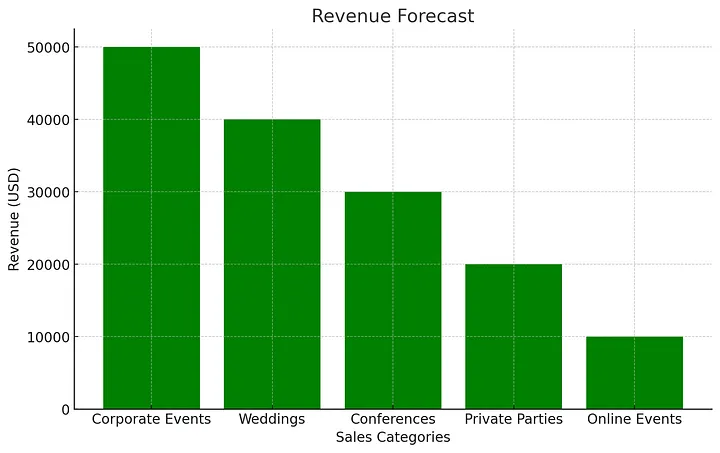
Global Event Planning Financial Forecasts

Startup Expenses

Monthly Operating Expenses

Revenue Forecast

FAQ

How long should my business plan be?

A global event planning business plan should be about 15 to 30 pages long. Focus on being clear and concise while persuasively communicating critical details about your vision and strategy.

Do I need to include a SWOT analysis in my business plan?

Including a SWOT (Strengths, Weaknesses, Opportunities, Threats) analysis in your global event planning business plan is a good idea. It demonstrates that you have put thought into the internal and external forces that can impact your success. Discuss what makes you stand out, potential areas for improvement, trends you can take advantage of, and challenges from competitors or the economy that you need to prepare for.

How often do I need to update my business plan?

You should review and update your global event planning business plan at least once a year. Make revisions as needed to reflect changes in your business, target market, industry trends, economy, competition, and goals. An outdated or irrelevant business plan will not serve you well. Keep your plan fresh and make adjustments to align it with what is actually happening in your company and the event planning field.

You May Also Like