15 Minutes Read
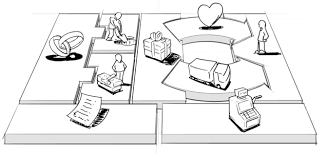
Creating A Winning Business Model
We see many entrepreneurs come to us with brilliant ideas an inventions, but the business model is lacking in some…


Last Updated: 12/17/2023
Are you looking to start a gift basket business in 2023? Whether you want to offer custom-made baskets for special occasions or make them for any occasion, having a well-thought-out business plan is essential. A gift basket business plan will provide you with the roadmap you need to launch and grow a successful business. It will also help you secure financing from potential investors.
A business plan is critical for staying organized and focused on your business goals. It helps identify areas of success and growth, and provides a roadmap for profitability. A well-written plan can help create your brand, build a customer base, and establish a competitive edge. A solid plan is key to success, so take the time to create one that will make your business thrive.
Need a Gift Basket Business Plan?
Create a custom business plan with financial projections and market research in minutes with ProAI’s business plan generator.
The key elements of a gift basket business plan include:
The executive summary introduces your business plan and summarizes your idea. It should include:
– Your mission statement
– Your concept
– How you will execute your plan
– Potential costs and return on investment
An executive summary helps investors quickly understand your plan without reading the entire document.
Introduce your company by including its name, location, owner details, legal standing, and short/long-term goals. Discuss how you understand trends in the regional gift basket industry and why your business will succeed.
Identify your target market, including demographics and ideal customers. Explain how you will cater to their needs. Analyze competitors by reviewing their prices, products, and service. Explain how your baskets will differ. Discuss your marketing strategies for reaching customers.
Choose appealing items that make customers feel special based on your target market and popular items. Research costs for your cost analysis. Choose environmentally-friendly, attractive, and affordable packaging to stand out.
Determine how many employees you need with skills in design, product selection, marketing, and customer service. Include potential wages, benefits, hiring, and training costs in your plan to prepare your budget. Consider legal requirements for hiring to ensure compliance.
Choose a location that is visible and accessible to customers and suppliers. Decide between a storefront or space in a larger store based on whether you will sell in-store or online. Research local competitors to create a competitive advantage.
The gift basket market includes retail baskets ranging from inexpensive to luxury, often themed for occasions, and corporate baskets with higher price points for clients and employees. Use resources like the U.S. Bureau of Labor Statistics and local chambers of commerce to understand the size of the industry and types of competitors.
Include digital marketing tactics like a website linked to social media to allow customers to find and contact you, a blog or newsletter to update customers on products and promotions. Use local businesses, organizations and events for traditional marketing by offering discounts or samples. Host a launch event to attract customers. Offer gift baskets as corporate gifts and promote through word of mouth.
Seek external help from resources providing sample plans, templates and software to guide you. Consult an experienced business mentor or advisor for advice in creating an effective, comprehensive plan.
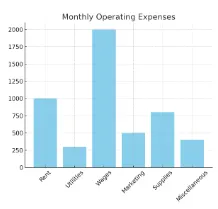
Include a detailed cost analysis of all items in your baskets including fluctuations in seasonal item prices. Factor in overhead costs like rent, utilities, labor, and marketing. Create a projected budget to determine gift basket pricing and potential profits. Include a break-even analysis showing how long to reach profitability, demonstrating you understand the financials.
Need a Gift Basket Business Plan?
Create a custom business plan with financial projections and market research in minutes with ProAI’s business plan generator.
How long should a gift basket business plan be?
A standard gift basket business plan should be 15 to 30 pages long. The plan should be comprehensive but concise. Focus on relevant details that clearly define your business concept without being lengthy or repetitive.
What makes a good gift basket business plan?
A good gift basket business plan should:
•Have a clear executive summary outlining your mission and business concept.
•Contain a detailed market analysis describing your target customers, competitors, and marketing plan.
•Have a strong product selection and pricing strategy based on your market research.
•Include financial projections showing a realistic path to profitability and potential for growth.
•Discuss your operational details including business location, employees, resources, and processes.
•Use visual elements like charts, graphs, images and headings to enhance readability.
•Be realistic and achievable with challenges and risks clearly addressed.
•Express your passion for the business to help investors believe in your vision.
•Align with your mission and values to reflect the essence of your brand.
What types of costs will I need to include in my financial analysis?
Common costs to include in a gift basket business financial analysis are:
•Product costs: Raw materials, packaging, labels, etc.
•Overhead costs: Rent, utilities, insurance, accounting fees, etc.
•Employee costs: Wages, benefits, training, recruiting, etc.
•Marketing costs: Website, social media advertising, print materials, promotional events, etc.
•Transportation costs: Delivery vehicles, fuel, warehousing, shipping, etc.
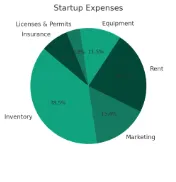
•Initial startup costs: Licenses and permits, fixtures and equipment, inventory, etc.
•Unforeseen costs: Emergencies, slow sales periods, price increases, etc.
•Cost of goods sold (COGS): Total cost to produce sold products
•Profit and loss statement: Revenue, costs, profit, losses over a period of time
•Break-even analysis: The point at which revenue equals total costs
•Cash flow statement: The flow of money in and out of your business over time