15 Minutes Read
Creating A Winning Business Model
We see many entrepreneurs come to us with brilliant ideas an inventions, but the business model is lacking in some…


Last Updated: 12/17/2023
Are you planning to open a frozen custard shop? If so, you’ve likely done thorough research, envisioned your concept, and decided on your offerings. But without a solid business plan, your frozen custard shop is destined to struggle. This is where a frozen custard shop business plan comes in. A well-crafted business plan guides you to plan and forecast every aspect of your business — from menu design and location to financials and employee training — helping turn your dreams into reality. Read on for tips, samples, and insights into writing a frozen custard shop business plan.
Opening a frozen custard shop is exciting yet requires extensive planning and foresight. A strong business plan is key to success, helping you anticipate and address potential risks and challenges. It helps determine costs to open and run your shop, create a marketing strategy, and choose the best location. It also helps secure funding, giving investors a detailed overview of your business and operations. Thoroughly planning your frozen custard shop helps ensure a solid foundation and success.
Need a Frozen Custard Shop Business Plan?
Create a custom business plan with financial projections and market research in minutes with ProAI’s business plan generator.
Creating a frozen custard shop business plan is challenging but essential to launching a profitable business.
A strong business plan includes:
The executive summary introduces your business plan and summarizes your entire concept. It should include:
– Your mission statement
– Your proposed concept
– How you’ll execute your plan
– Potential costs
– Expected return on investment
It’s critical for attracting investors, giving them an overview without reading the full plan.
Introduce your company, including:
– Shop name, location, contact information
– Owner details and experience
– Legal standing and short/long-term goals
– Brief market study showing you understand trends and why you’ll succeed
Discuss the frozen custard industry’s current state, trends, challenges, and opportunities.
Analyze competitors’ strengths and weaknesses. Explain how you’ll stand out and succeed.
Explain your marketing strategies, e.g., social media, advertising, to reach your target market. Show how you’ll stand out.
Your menu is critical, even without a finalized version. Include a mock-up with your logo and pricing reflecting your cost analysis. Highlight frozen custard types and toppings, giving investors an experience preview.
Discuss hiring, managing, and motivating employees while following laws and regulations. Include positions needed, recruiting/interviewing processes, wages, benefits, management structure, and training. A comprehensive plan shows you’re prepared to achieve goals and succeed.
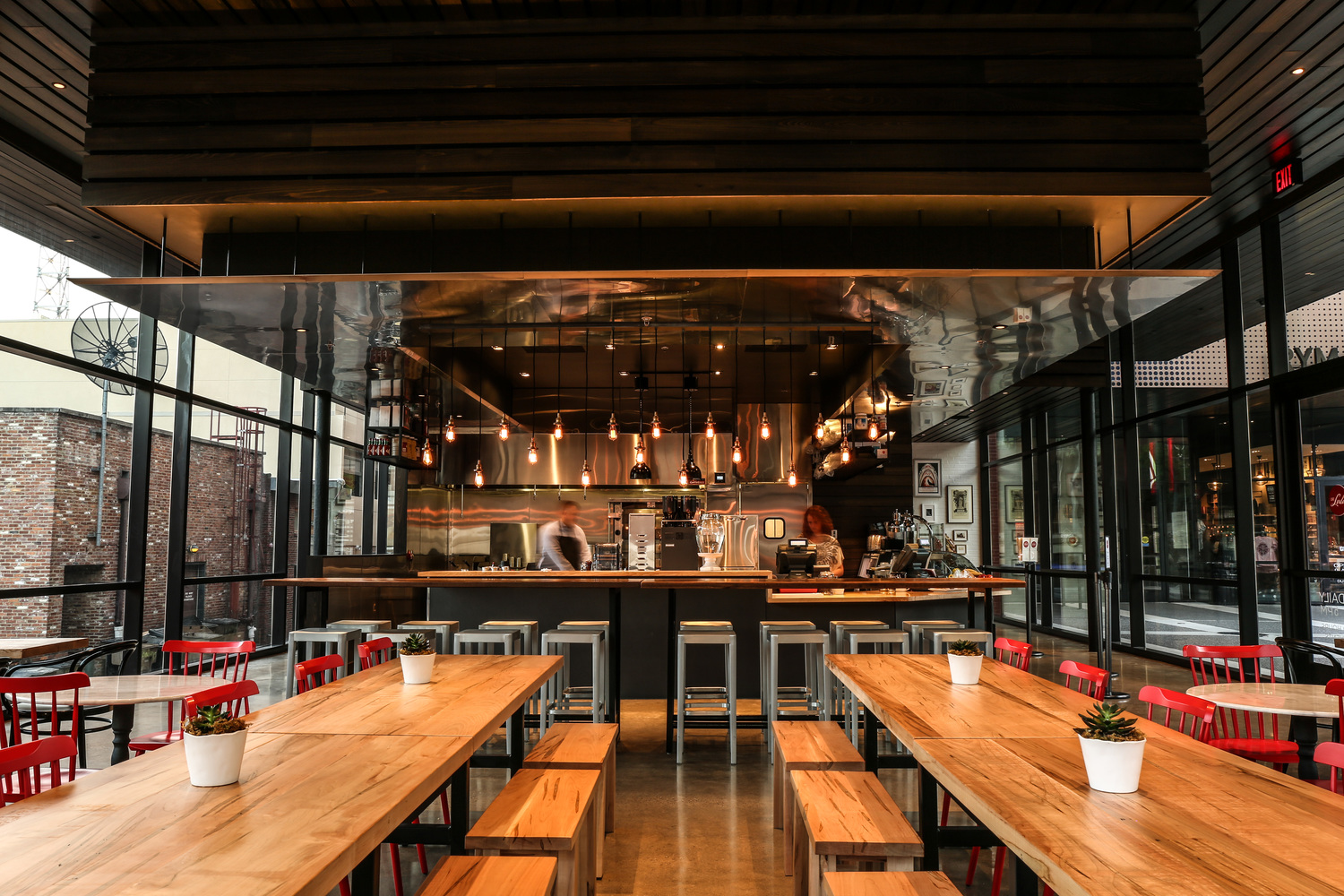
Decide your shop’s size, layout, color scheme, and standout features. Create an inviting atmosphere suited to your concept. Consider furnishings, fixtures, ingredient storage, customer flow, and efficiency. An efficient design delights customers.
Your location impacts your customer base, costs, regulations compliance, accessibility, and parking. Include a map in your plan so investors understand your choice.
Research competitors’ menus, branding, pricing, and reviews to see what works. Assess demand and customer loyalty potential in your area. Summarize findings, highlighting unique products/services to draw customers. Understanding the market helps create a viable plan attracting the right investors.
Research competitors’ tactics to stand out. Create content (website, blog, social media) to promote your shop. Budget and track results to optimize efforts. Focus on affordably reaching customers digitally.
Discuss required permits, licenses, property, staffing, business advisors, and lawyers. Consider outsourcing marketing or other tasks to save money and time, focusing on priorities. Form partnerships with local businesses and organizations to expand your customer base, increase awareness, gain a support network, and share resources.
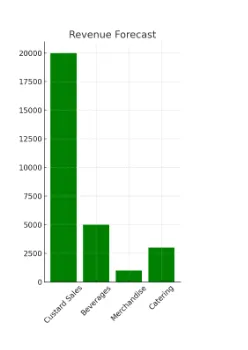
Include comprehensive profit/loss statements, balance sheets, cash flow statements, and break-even analysis — especially important. Detail costs to open and operate, including ingredients, labor, overhead, marketing, and more. Estimate potential sales and determine pricing based on market research. Calculate return on investment for investors.
Need a Frozen Custard Shop Business Plan?
Create a custom business plan with financial projections and market research in minutes with ProAI’s business plan generator.
How much money do I need to open a frozen custard shop?
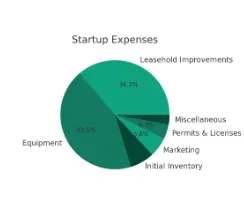
Costs to open a frozen custard shop vary but typically range from $75,000 to $300,000 for a small to mid-sized shop. Significant costs include:
•Commercial kitchen equipment: $50,000 to $100,000 for high-quality frozen custard machines, refrigerators, freezers, etc.
•Store build-out and remodeling: $25,000 to $100,000 depending on square footage and type
•Permits and licenses: $5,000 to $10,000
•Ingredients and supplies: $5,000 to $10,000 to get started
•Marketing: $2,000 to $5,000 allocated for your initial marketing strategy
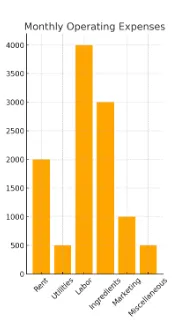
•Rent and utilities: Will depend on your location but budget at least $2,000 to $5,000 per month
•Furnishings: $10,000 to $30,000 for display cases, seating, decor, etc.
The costs can be higher or lower in your area, so do extensive research on local rates. And keep additional working capital for the first few months of operation.
What licenses or permits do I need?
The licenses and permits required for a frozen custard shop will depend on your location but typically include:
•Business license or registration
•Health department permit
•Fire department inspection permit
•Building permits (if doing construction)
•Zoning permits (to ensure the location allows food establishment)
Check with your city or county clerk’s office for details on required licenses and permits in your area. It is critical to have all proper licenses in place before opening your doors to customers.
What should I charge for frozen custard?
Frozen custard is typically slightly more expensive than regular ice cream due to higher quality ingredients and labor costs involved in making custard. For a small to mid-sized premium frozen custard shop, you can expect to charge:
•Single cone or cup: $3 to $5
•Double or triple scoop cone or cup: $4 to $7
•Shakes: $4 to $6
•Sundaes: $5 to $8
•Specialty items: $6 to $10
You need to determine prices that cover your costs while remaining competitive. Consider also offering daily specials or loyalty programs to provide value and attract repeat customers. Frozen custard prices will also depend on your shop’s location and overall concept and branding. Do local research on competitors to find the average and median frozen custard prices in your area.