15 Minutes Read
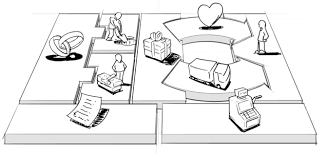
Creating A Winning Business Model
We see many entrepreneurs come to us with brilliant ideas an inventions, but the business model is lacking in some…

Last Updated: 12/17/2023
Opening a fast food restaurant is challenging but rewarding. The key to success is having a well-developed business plan to guide you. A comprehensive plan helps you define your vision, understand your market, and prepare realistic financial projections. Read on to learn how to create a business plan that will set your fast food restaurant up for success.
A solid business plan is essential for any new fast food restaurant. Without a plan, you risk making costly mistakes, missing opportunities, or failing to meet customer needs. A good plan should outline your mission, strategy, financials, marketing, timeline, and team responsibilities. It shows investors your restaurant’s potential and helps ensure you have enough capital to launch. Simply put, a business plan greatly increases your chances of success.
Need a Fast Food Restaurant Business Plan?
Create a custom business plan with financial projections and market research in minutes with ProAI’s business plan generator.
Writing a fast food restaurant business plan requires time and effort but is well worth it. The main sections you’ll want to include are:
The executive summary introduces your business plan and should draw readers in. It includes:
– Your mission statement
– Restaurant concept
– Implementation strategy
– Estimated costs and returns
– Details on cuisine, target market, location, etc.
The summary gives investors an overview of your vision, goals, and financials so they can quickly grasp the concept.
This section provides details on your company, including:
– Restaurant name, address, owner info, experience, etc.
– Legal business structure
– Short and long-term goals
– How your concept and menu will attract your target market
– How you’ll stand out from competitors
The company description shows you understand the fast food industry and have a viable plan.
The market analysis examines your potential customers and competition. It includes:
– Industry trends and size
– Customer demographics
– Competitor details like menu, price, hours, atmosphere
– Your marketing strategies to reach customers and stand out
The analysis demonstrates you know your market and how to succeed in it.
Kitchen design is critical for fast food restaurants. Consider:
– Available space and necessary equipment like fryers, ovens, fridges, dishwashers
– Efficient layout with clear traffic flow
– Adequate storage for supplies
An optimized kitchen allows for quick, high-quality food preparation and service.
Detail the staff you need to hire, including managers, cooks, cashiers, and food prep. Discuss:
– Required skills and experience
– Training approach
– Compensation and benefits
– Company culture you want to create
The right team is essential, so show you have a plan to attract and retain good employees.
Choose a spot that will draw in customers, like near high-traffic areas. Consider:
– Population density, competitor locations, traffic
– Demographics and target market needs
– Permits and licenses required to operate
A strategic location gives you the best chance of success.
Analyze your market before writing the plan. Examine:
– Competitors, their locations, offerings, strengths/weaknesses
– Area demographics and trends in the fast food industry locally and nationally
– Economic and social factors affecting demand
– Customer preferences specific to your area
Understanding your market helps you determine the best concept and strategy for your restaurant.
A targeted marketing plan is key for fast food restaurants. Identify your demographic and tailor messaging to them across platforms like:
– Print, radio, TV ads
– Social media
– Search engine optimization
– Email campaigns
– Loyalty programs and discounts to retain customers
Digital and traditional marketing, along with customer retention strategies, will build your brand and keep people coming back.
Investors want to see financial projections, including:
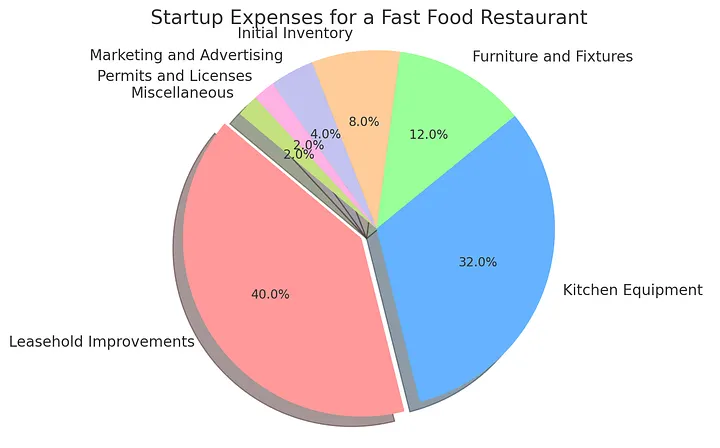
– Startup budget
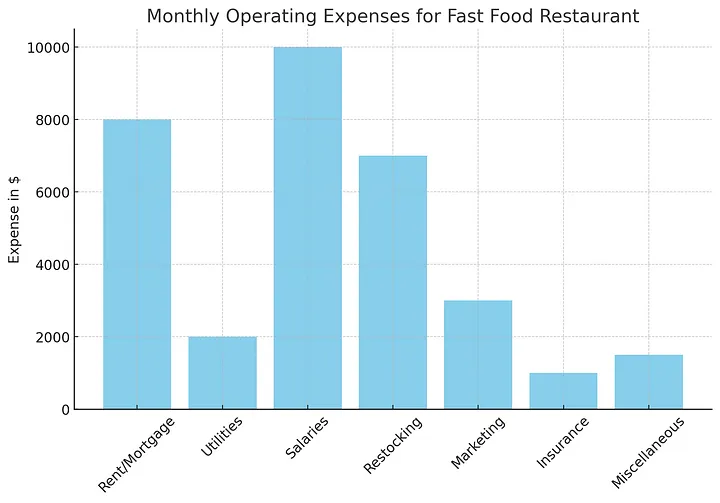
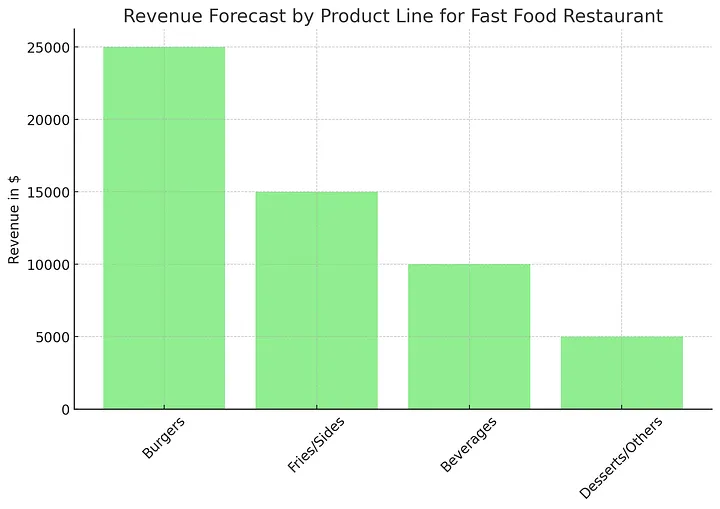
– Estimated sales, expenses, labor costs, and marketing budget for next 1–3 years
– Plan for reinvesting profits into the business
– Break-even analysis
– Cash flow analysis
Financials demonstrate your restaurant’s potential for sustainability and success. Provide realistic, well-supported projections to give investors confidence.
Consider consulting experts to strengthen your plan:
– Lawyers and accountants for legal/financial aspects
– Mentors with industry experience for advice
– Online resources for templates, tools, and guidance
External input helps ensure your plan is as comprehensive and accurate as possible.
Need a Fast Food Restaurant Business Plan?
Create a custom business plan with financial projections and market research in minutes with ProAI’s business plan generator.