15 Minutes Read
Creating A Winning Business Model
We see many entrepreneurs come to us with brilliant ideas an inventions, but the business model is lacking in some…


Last Updated: 12/17/2023
Opening a family clothing business is exciting, but requires careful planning to succeed. A business plan outlines your vision, strategies, and resources to launch and grow your business. A family clothing business needs thorough research and planning to maximize success and minimize risks. This article provides an overview of steps to write an effective 2023 business plan for a family clothing business. We’ll discuss researching the market and pricing strategies, creating budgets and marketing plans. We’ll also provide advice on funding and sample plans to get you started.
A family clothing business plan helps decide what clothing to offer, how to market your business, and revenue strategies. It provides insight into your industry and competition, helping you differentiate yourself. A plan is essential for funding as investors want to see your vision and path to success. Finally, a plan keeps you on track to achieve your goals.
Need a Family Clothing Business Plan?
Create a custom business plan with financial projections and market research in minutes with ProAI’s business plan generator.
A family clothing business plan should analyze your market, target customers, and competition. It should detail a strategy for success through:
The executive summary introduces your entire plan. As the first section investors see, it should be compelling while summarizing key points. Include:
– Your mission
– Your concept
– How you’ll execute your plan
– Potential costs and return on investment
Provide an overview of your target market, products/services, competitive analysis, marketing, operations, and finances. Explain your vision and why your business will succeed. Give a strategic growth plan to help investors understand your goals.
Introduce your company including name, location, owner information, legal standing, short and long-term goals. Discuss how you understand the family clothing industry and target market. Explain your competitive advantage and how that helps you succeed.
Industry Analysis: Discuss the family clothing industry and customer needs. Provide an overview of the market and trends affecting your business.
Competition Analysis: Research competitors’ prices, products, and service. Determine how you’ll compete.
Marketing Analysis: Explain how you’ll reach customers through online, print, and other channels. Include timelines and budgets for strategies.
Describe the clothing you’ll offer including types, materials, sizes, and styles. Research your target market’s needs and how you stand out. Consider additional products/services like custom design, personal styling, or eco-friendly packaging to differentiate yourself.
Determine how much to charge based on market research, costs, and competitors’ prices. Factor in production costs, sales tax, and fees to ensure profitability. Have different pricing tiers and loyalty programs. Develop a strategy including discounts, promotions, and special offers to maximize sales and revenue.
Choose a location with high foot traffic and demographics matching your target customers. Determine if you’ll sell only clothing or add accessories. Factor in space needs for your inventory. Describe your store including size, location, demographics, local competition, and how you’ll promote it.
Determine how to reach your target market through online stores, physical stores, e-commerce, or mobile apps. Consider costs, pros/cons, and customer reach for each channel. Explore partnerships to increase reach. Plan how you’ll package, ship, and deliver products quickly and affordably. Factor associated costs into your plan.
Have a detailed plan to reach potential customers through social media, radio, TV, print, digital media, trade shows, ads, or word-of-mouth. Research the best ways to reach your target audience cost-effectively. Explain activities, budgets, and timelines. Set goals and ways to measure success like website traffic, sales increases, or customer feedback.
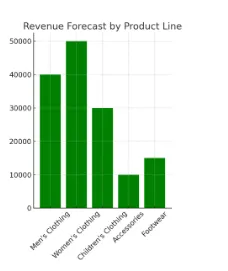
Outline long-term financial goals through a detailed budget, income statement, cash flow projection, and balance sheet.
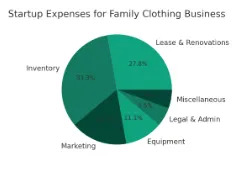
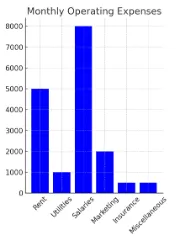
The budget should list all expenses to launch and run your business like rent, employees, marketing, and expected revenue including loans or investments.
The income statement shows expected income like sales, services or investments and expenses like salaries and supplies.
The cash flow projection forecasts short-term money coming in and out including rent, payroll, sales, and investments.
The balance sheet lists your assets, liabilities, and equity to show your financial health.
A comprehensive financial plan shows your business’s financial outlook.
Identify and analyze risks through a SWOT analysis of your strengths, weaknesses, opportunities, and threats. Consider industry risks like competition, economic changes, trends, and resources. Plan to reduce risks or secure additional funding. Analyzing risks ensures your plan addresses any challenges.
Outline how you’ll run your daily business including getting products to customers, store hours, managing inventory, customer service, advertising, etc. Have systems ensuring safety, quality, and accuracy like vetting vendors and quality controls. Discuss any plans to expand locations, products, or launch new clothing lines. Explain how you’ll manage cash flow through available resources and financing.
An operational plan shows how you’ll execute your vision.
Need a Family Clothing Business Plan?
Create a custom business plan with financial projections and market research in minutes with ProAI’s business plan generator.