
15 Minutes Read
Creating A Winning Business Model
We see many entrepreneurs come to us with brilliant ideas an inventions, but the business model is lacking in some…


Starting an administrative services business can be challenging yet rewarding. A comprehensive business plan is essential to ensure your business’s success. A business plan outlines your business goals, strategies, and plans to achieve them. It also details the financials, marketing plan, and operational procedures. Writing a business plan for an administrative services business in 2023 may seem daunting, but it doesn’t have to be. This article looks at what you need to consider when writing a business plan for your administrative services business and provides helpful tips and examples.
A business plan for an administrative services business is essential to ensure your business runs efficiently and succeeds. Careful planning and forecasting help establish clear goals and objectives for your business and identify the resources to reach them. A business plan also assesses the competitive landscape and develops strategies to differentiate your business. With a well-crafted business plan, you can ensure enough capital to cover startup and operating costs. By creating a comprehensive business plan, you can ensure your administrative services business’s success.
Need a Administrative Services Business Plan?
Create a custom business plan with financial projections and market research in minutes with ProAI’s business plan generator.
Writing a business plan for an administrative services business can feel overwhelming. However, it’s an important step in setting up a successful business. To help you create a comprehensive business plan, we’ve outlined the key components you need to include. You can adjust the sections’ order depending on who you’re presenting the plan to reflect priority.
An administrative services business plan should start with an executive summary. An executive summary introduces your business plan and summarizes the entire idea. Its main aim is to draw the reader, often an investor, into the rest of your business plan.
Common executive summary elements include:
An executive summary is crucial for those seeking investor funding. Rather than combing through the entire plan for information, investors can look through the summary.
This section fully introduces your company. Start with your business’s name and location, contacts, and other relevant details. Include the owner’s information and experience description.
The second part should highlight your business’s legal standing and short and long-term goals. Provide a brief market study showing you understand administrative services industry trends in your region and why your business will succeed.
The market analysis section should include analyses of the industry, competition, and potential marketing strategies.
Research the administrative services industry to determine its size, growth opportunities, and trends. Explain to investors how the industry will grow and how current trends will affect your business.
Research your competition’s services or products. Explain to investors why your administrative services business will succeed.
Explain your marketing strategy, including how you’ll reach your target market, platforms you’ll use, and how you’ll measure success. Your investors will want to know your marketing plan.
List the services you’ll offer, e.g., data entry, software development, accounting, and consulting. Include services to expand your business or make it easier for customers, e.g., online support, remote access, or payment processing. This helps potential investors understand how your business will operate and provide value.
Ensure you have a clear understanding of how you’ll provide these services. Will you use freelancers, employees, or both? A plan for providing services will help you stay organized and make the process easier for you and your customers.
Discuss your administrative services firm’s organizational structure and how many employees you plan to hire. Include job descriptions and qualifications for each position.
If you plan to outsource certain services, include that. Note the service’s scope you plan to outsource and associated costs to help investors understand why you made that decision.
Discuss your compensation and benefit policies, including any training programs or other employee benefits. This helps investors understand your employees’ importance and how you plan to retain them.
Location is critical in any business plan. When setting up an administrative services business, decide where to operate. Consider the area’s cost, employee availability, and competitor presence.
Consider local or state regulations to comply with. Research the area’s zoning laws and other restrictions. This helps understand the local environment and how it may affect your business.
Consider customers’ convenience, e.g., their commute time, parking availability, or other factors making it difficult to use your services.
Consider the cost of leasing or acquiring a space and associated costs like taxes, insurance, and other ongoing expenses.
Identify a potential location for your administrative services business and include it in your business plan.
Understanding your market is essential for a successful administrative services business plan. Research your competition and industry, including current economic trends. Analyze data to determine the industry’s size, potential customer base, customer demographics, and growth rate.
Market research also helps identify opportunities your competitors may have overlooked. If you have an innovative idea or unique approach, use it to your advantage.
Understand the legal and regulatory landscape. Consider licenses and permits to operate, laws and regulations governing the industry, and other external factors affecting your business.
Consider potential risks like shifts in customer preferences, changing technology, or economic downturns. Awareness of these risks helps create a more comprehensive plan and prepare for unexpected challenges.
Focus on building your brand and reaching potential customers.
Creating a brand differentiates you from the competition and establishes the trust and reputation to succeed. Craft a mission statement outlining your business values and services. Use it in all marketing materials.
Develop a marketing plan outlining how you’ll reach your target audience, e.g., SEO campaigns, email campaigns, social media campaigns, and paid advertising. Analyze each strategy’s effectiveness to track results and make adjustments.
Successful administrative services marketing provides consistent messaging resonating with your target customers.
Don’t be afraid to outsource writing your administrative services business plan to a professional, whether just starting or established. Professionals bring experience and knowledge to craft a plan tailored to your needs.
Hire a consultant experienced in your industry. Ask for references and review their past work. Ensure they understand the administrative services industry’s dynamics and are well-versed in the field.
Understand the project’s scope and any additional fees. Set a timeline and expectations upfront. Remember, the plan should reflect your goals and vision. Professionals provide guidance and ideas, but you own the plan.
The financial analysis is the most critical section. Provide a detailed budget and financial projections to convince investors or lenders of your business’s viability.
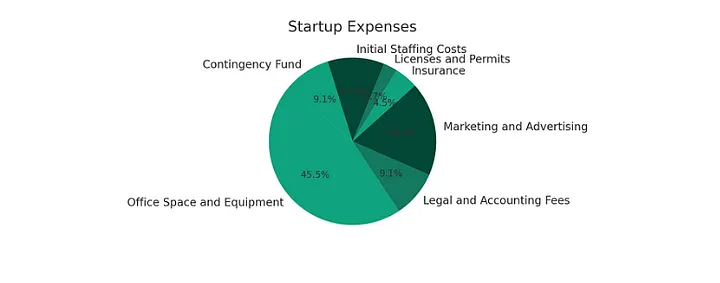
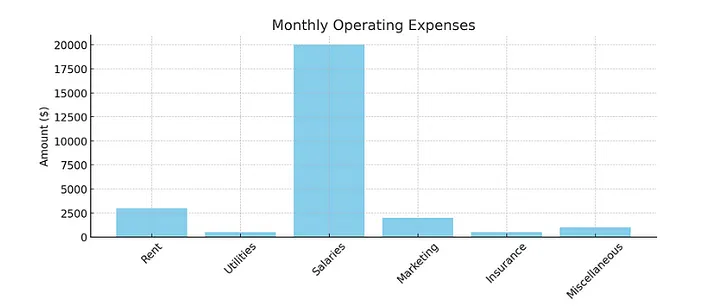
Include a budget for startup and ongoing expenses, e.g., renting or purchasing office space, salaries, supplies, technology, and anything else needed to run your business.
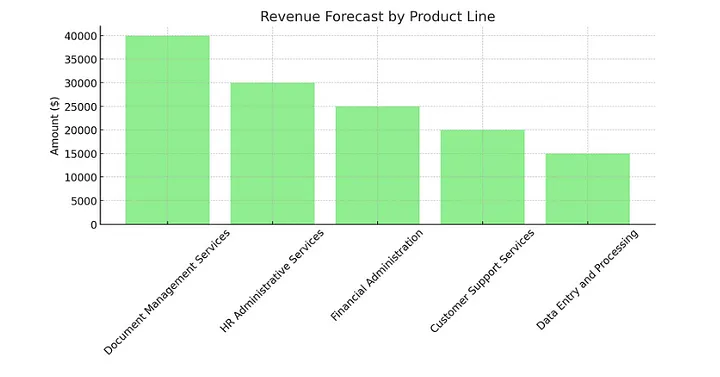
Provide three to five-year financial projections, including expected revenue and expense forecasts. Assess your expected ROI and break-even point. This indicates how quickly investors can expect to recoup their investment.
Need a Administrative Services Business Plan?
Create a custom business plan with financial projections and market research in minutes with ProAI’s business plan generator.
How long should an administrative services business plan be?
An administrative services business plan should typically be 15 to 30 pages long. The exact length will depend on how in-depth you need to be for your audience. Keep your business plan as concise as possible while including all essential elements.
What font and spacing should I use?
For easy readability, use a simple, professional font like Arial, Calibri, or Times New Roman in size 11 or 12 point. Double space or use 1.5 line spacing, and indent new paragraphs. Use only one font style throughout for consistency.
Should I include images or graphics in my business plan?
Using images and graphics in your business plan, such as charts, graphs, photos or logos, helps to visually reinforce key points. Images also make your business plan more engaging and easier to read. However, keep images minimal and relevant. Only include high quality images that add value for your reader. Be sure to caption each image with a title and/or explanatory note.
How often should I update my business plan?
You should review and update your business plan at least once a year or if there are any significant changes to your company or industry. An outdated business plan will not accurately reflect your business and may cause issues if seeking funding or investment. When updating, review all sections and make revisions as needed. Be sure to note the date of your latest update on the cover page or executive summary.
Should I include confidential or proprietary information in my plan?
In general, it is not advisable to include highly confidential or proprietary information in your business plan. Your business plan may pass through many hands, and that sensitive data could be seen by competitors. However, you will want to share enough detail about your business operations, target market, and competitive advantage to convey your business model and key strengths to readers. You can note that certain sensitive details have been omitted to protect proprietary information. If sharing your full plan with investors or lenders, you may provide supplemental confidential information under a nondisclosure agreement.