15 Minutes Read
Creating A Winning Business Model
We see many entrepreneurs come to us with brilliant ideas an inventions, but the business model is lacking in some…


Last Updated: 12/17/2023
If you’ve ever thought about starting your own baseball batting cages business, creating a solid business plan is key to your success. A well-crafted plan helps you identify your mission and goals, understand your market and competition, and secure funding from investors. This guide provides an overview of how to write a professional business plan for your baseball batting cages.
A business plan is critical for new business owners. It helps you:
Need a Baseball Batting Cages Business Plan?
Create a custom business plan with financial projections and market research in minutes with ProAI’s business plan generator.
Here are the key sections you’ll need in your batting cages business plan:
This section should be written last but appear first in your plan. It’s a high-level overview of your concept and goals to capture readers’ interest. Cover your business mission, services, target market, competitive advantage, and financial potential. Keep it under one page.
Describe your business in detail. Explain your business structure (LLC, corporation), owners and management team, business objectives, and mission. Discuss the services you’ll provide and your competitive advantage. Include information like business licenses or certifications you hold.
Analyze your target market, industry trends, and competition. Identify your key customer segments and their needs. Assess the size and growth of the batting cage industry. Profile your direct competitors, their offerings, locations, and pricing. Explain how you’ll differentiate yourself to gain market share. Discuss opportunities and threats in the market that could impact your business.
Describe your planned facility and the specialized equipment required for a batting cages business. Discuss factors like the number of cages, additional amenities (lobby, restrooms, seating area), types of flooring, netting, lighting, and so on. List major equipment like pitching machines, bats, balls, safety gear, maintenance tools, and their costs. Explain how your design and equipment will provide customers with a quality experience.
Outline your marketing and sales strategies to attract new customers and build your business. Discuss online and offline marketing channels you’ll use like social media, sponsorships, flyers, radio ads, and partnerships with local schools or sports clubs. Set marketing goals and budget. Describe your sales process and staffing. Provide sales forecasts and projections.
Discuss how you will operate your business efficiently while maintaining high quality and customer satisfaction. Describe your hours of operation, staffing plan, and standards for cleanliness, safety, and customer service. Explain processes for handling maintenance, scheduling, and managing finances. Highlight opportunities for improving operational efficiency and controlling costs.
Present your management team and their qualifications and experience. Discuss your staffing plan, including key roles and responsibilities. Explain why your team has the skills and expertise to successfully operate a batting cages business.
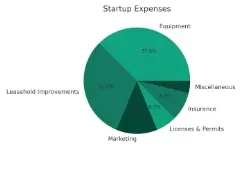
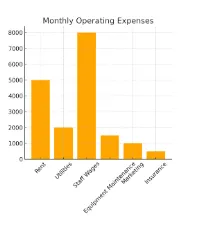
Provide income statements, balance sheets, cash flow statements, and key ratios for the first 3 years of operation. Include a breakdown of start-up costs, operating costs, and revenue and profit forecasts. Explain your underlying assumptions. The financial plan shows whether your business concept is viable and if it will generate a good return for investors.
Need a Baseball Batting Cages Business Plan?
Create a custom business plan with financial projections and market research in minutes with ProAI’s business plan generator.

Include a list of frequently asked questions and answers about your business and services. The FAQ section addresses common questions from potential customers and provides another opportunity to highlight the key benefits and differentiators of your batting cages.