
15 Minutes Read
Creating A Winning Business Model
We see many entrepreneurs come to us with brilliant ideas an inventions, but the business model is lacking in some…


Last Updated: 12/17/2023
Are you passionate about craft beer and looking to open your own brewery? While turning your dream into a reality can be exciting, without a comprehensive business plan, your endeavor is likely to struggle. A brewery business plan is essential for launching a successful brewery. It will help guide your decisions and set your business up for success.
A good business plan helps you outline your brewery’s goals and how you’ll achieve them. It includes financial projections, identifies your target market, and helps create an effective marketing strategy. Ultimately, a solid plan is necessary for gaining investors and ensuring your brewery’s long-term success.
Need a Brewery Business Plan?
Create a custom business plan with financial projections and market research in minutes with ProAI’s business plan generator.
Your executive summary should draw readers in and encourage them to read the full plan. It includes:
• Your mission statement and vision for the brewery.
• A summary of your concept, execution plan, costs, and potential return on investment.
Describe your brewery, including:
• The business name, location, owner details, and experience.
• Your legal business structure and short/long-term goals.
• How you’ll differentiate yourself and competitive advantages.
Analyze your industry, target market, competition, and opportunities. Discuss:
• The craft beer industry’s size, trends, regulations, and outlook.
• Your target customers, including demographics and preferences.
• Direct competitors, their positioning, products, pricing, and marketing.
• How you’ll market your brewery and measure success.
List the beers you’ll offer, including:
• Beer styles, ingredients, and production costs.
• How you’ll ensure high quality and consistent taste.
Discuss your staffing needs and compensation including:
• The number of employees and wages/benefits you’ll provide.
• Any specialized roles like a brewmaster and their requirements.
• Training on safety, food handling, and responsible alcohol service.
Explain your brewery’s location and availability of:
• Public transit, parking, and proximity to your target market.
• Any permits, licenses, or restrictions on selling alcohol.
• How you’ll differentiate from nearby breweries.
Outline your brewing process, equipment needs, and timeline:
• The steps to make your beer from ingredients to bottling.
• Major equipment for brewing, bottling, kegging, and operations.
• A schedule for sourcing, brewing, packaging, and selling your beer.
Discuss how you’ll promote your brewery through:
• Social media, web, TV, radio, and print advertising.
• Encouraging word-of-mouth and customer loyalty programs.
Explain any outside help you’ll leverage from:
• Accountants to set financial goals and project startup costs/revenue.
• Lawyers to advise you on the best business structure and permits.
• Marketing consultants to help develop strategies based on your analysis.
Provide income statements, balance sheets, cash flow statements, and key metrics to determine your brewery’s financial health and viability. Discuss your:
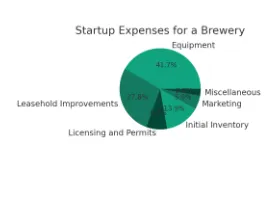
• Startup expenses for items like equipment, licenses, and inventory.
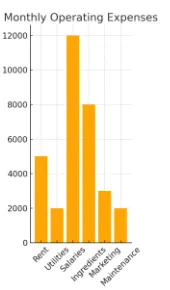
• Operating costs including rent, payroll, supplies, and utilities.
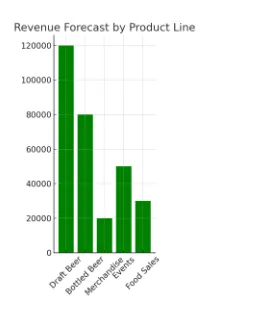
• Sales forecasts, margins, and net profit over the next 12 months.
Need a Brewery Business Plan?
Create a custom business plan with financial projections and market research in minutes with ProAI’s business plan generator.
Here are some frequently asked questions about brewery business plans:
Q: How long should a brewery business plan be?
A: A comprehensive brewery business plan is typically 15–30 pages long. The executive summary should be 1–2 pages.
Q: Do I need professional help to write a brewery business plan?
A: You can write a brewery business plan yourself, but getting input from industry experts is helpful. Consider hiring accountants, lawyers, and marketing consultants. They can help make realistic financial projections, ensure legal compliance, and develop effective marketing strategies.
Q: What is the most important part of a brewery business plan?
A: The financial analysis is critical. It shows whether your concept is viable and if you can generate a profit. Solid numbers, metrics, income statements, cash flow projections, and key milestones will give investors confidence in your plan.
Q: How often should I update my brewery business plan?
A: You should review and update your brewery business plan annually and as significant events occur. Update market analysis, financials, goals, and key milestones. Revise strategies as needed to account for challenges or changes in the competitive and regulatory landscape.
Q: What are investors looking for in a brewery business plan?
A: Investors want to see a viable concept, realistic financial projections, a scalable business model, and an exit strategy. Your plan should show you understand the industry, market, and have a sound marketing/operational strategy. The financials should prove you can generate strong returns. And your model/strategy should show the potential for growth and how they can recover their investment.