15 Minutes Read
Creating A Winning Business Model
We see many entrepreneurs come to us with brilliant ideas an inventions, but the business model is lacking in some…


Last Updated: 12/17/2023
Starting a business can be challenging. Before getting started, you need a well-crafted plan to achieve success. A business support insurance business plan acts as a roadmap by laying out key objectives and strategies. This article will provide an overview of what you need to write a winning business support insurance business plan for 2023.
A business support insurance business plan is essential for any company. It outlines goals, strategies, and financial targets, providing a roadmap for operations and resource allocation. A solid plan helps make sound decisions, ensures a secure future, attracts investors, and informs direction. Without one, poor choices and missed opportunities abound.
Need a Business Support Insurance Business Plan?
Create a custom business plan with financial projections and market research in minutes with ProAI’s business plan generator.
Writing a plan for a business support insurance company helps clarify goals, establish strategies, and map future growth. Key sections include:
Briefly cover the mission, concept, execution, costs, and returns. The mission explains why the plan exists and goals. The concept outlines the type of plan and implementation. Execution describes how the plan will proceed. Costs estimate expenses and risks. Returns forecast potential profits.
Discuss the mission, products/services, target customers, industry, competitive advantages, short/long-term goals, and relevant research demonstrating how the company will meet customer needs.
Explain the importance, size, growth, and target market of business support insurance. Discuss competitors, services, pricing, and how you’ll differentiate and reach customers. Outline marketing strategies and platforms.
Clearly outline services, coverage, costs, discounts, restrictions, and additional services. Explain the policy process, customer service, and payment options.
Choose a structure: sole proprietorship, partnership, LLC, or corporation. Consider protection, taxation, complexity, licenses, permits, ownership, management, and equity structure. Outline personnel roles and the decision-making process.
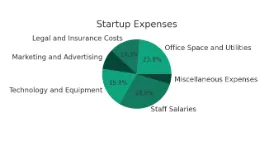
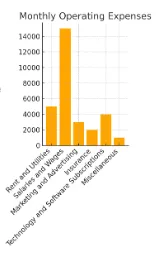
Create a budget with income, expense, cash flow, and break-even analyses. Explain pricing. The break-even analysis shows profitability. The budget includes startup costs, salaries, taxes, insurance, and expenses.
Discuss limiting liability, training, insurance, compliance, regulations, and overcoming potential risks. Identify possible issues and solutions. Follow all laws and regulations.
Identify the target market and strategies like direct mail, online ads, and word of mouth. Analyze competitors to understand pricing, strategies, and your advantages. Include a budget, goals, and ways to track progress.
Identify tasks, timelines, staffing, systems, licensing, procedures, responsibilities, and budgets to launch and maintain the business. Outline a hiring and onboarding process. Follow all procedures and protocols.
Discuss leaving the business through selling, succession, or closing. Provide timeframes, costs, investors, returns, and tax implications for each option. Plan how each choice would proceed.
Start with a launch date and work backward, outlining research, development, operations, and marketing activities and deadlines to get there. Research includes market analysis, customer segmentation, product development, and pricing. Operations covers setup, budgeting, and hiring. Marketing involves brand identity, digital presence, promotions, and campaigns. A timeline keeps the plan on schedule.
Need a Business Support Insurance Business Plan?
Create a custom business plan with financial projections and market research in minutes with ProAI’s business plan generator.