
15 Minutes Read
Creating A Winning Business Model
We see many entrepreneurs come to us with brilliant ideas an inventions, but the business model is lacking in some…


Last Updated: 1/7/2022
Business valuation is an essential aspect for any entrepreneur looking to grow their business. However, ascertaining a business’ value can be a precarious task, especially when you’re a startup without much evidence to work with.
In this guide, you will get a lot of insights regarding business valuation, why you need to value your business, factors affecting business value, methods of valuing a business, differences between startup valuation and mature business valuation, and factors that determines startup value.
Business valuation is a quantitative process of ascertaining the firm’s fair value. A business is valued based on several factors, such as constituents of capital structure, company management, the possibility of future earnings, market values of assets, and many more.
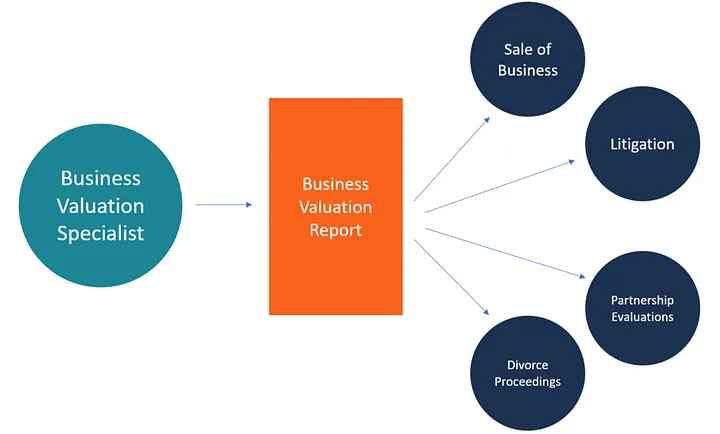
A business valuation can be helpful at any phase of your business growth. However, you may need to value your firm under the following circumstances.
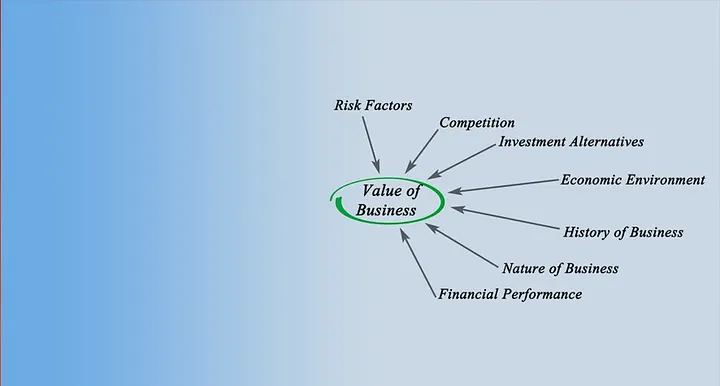
There are various components to consider while valuing your firm, and shockingly, not many of them include money-related values.
By the day’s end, a business is worth what somebody is eager to pay for it, and that can be a pretty abstract thing.
In this way, don’t merely rely on your bookkeeping records — consider all the following when valuing your business:
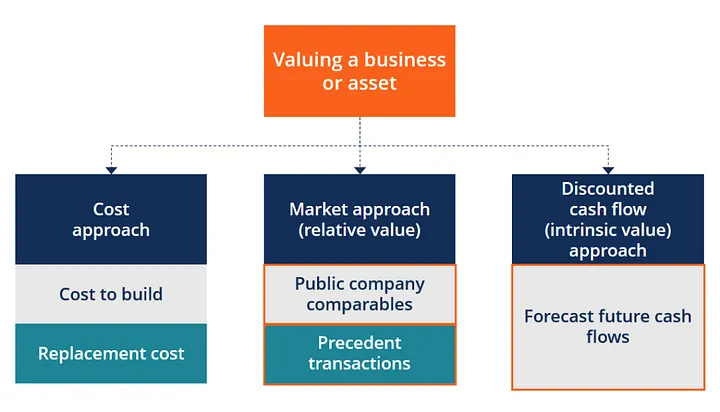
There are various techniques and markers you can use to value your business. Here is a summary of the most common methods of business valuation:
To value your business through a multiplier, you’ll have to multiply the Net Profit of Business by Market Sector different. Therefore, Business Value = Net Profit X Market Sector Multiple.
However, you need to be cautious when utilizing the Multiplier because it’s easy to fudge the figures, net profit, and market sector being incredibly variable. Investors know about this, which is the reason it’s imperative to back up your multiplier figure with other proof.
Not all organizations are valued dependent on tangible resources, and that is okay. In case you’re an SME or a startup with a great deal of potential, that will work in your favor. However, if you are resource-rich, it would be reasonable to value your business based on assets.
Entry valuation entails working out the expenses of setting up your business today, starting from the earliest stage. It’s helpful because it brings other valuation factors — resources and colleagues, for instance — under its umbrella, however, it isn’t so helpful if an investor needs to focus on things like current productivity or future potential.
The discounted cash flow method is valuable for intensely invested and well-established organizations. Basically, the strategy predicts future income in light of current and past business patterns over a specified period, usually 15 years.
It then gauges what that future income is worth today. A proper discount interest, such as 15% to 20%, is applied to consider things like risk and inflation. This method is complex, and it relies on steady patterns and a stable future to work effectively.
Comparison with the cost of similar properties in the market is the thing that sets house costs — and it works for organizations, as well. If you can, verify what comparable organizations to yours have been valued at. This will give you a rough idea of your firm’s value.
A few businesses have explicit methods of estimating value applicable to their interests and needs. For instance, retail organizations are frequently valued by the volume of clients or the number of outlets, while IT organizations will, in general, be valued solely on turnover.
By the day’s end, your business is worth what somebody is eager to pay for it. If you find an investor with a profound interest in what you’re doing, your business’s intangible value rises massively.
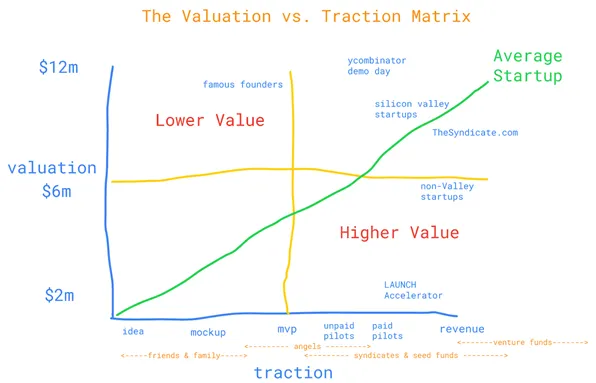
Startups will generally have little or no revenues and are still in a phase of instability. Therefore, it is likely their product, strategy, or service has arrived at the market yet. Because of this, it can be challenging to value the company.
However, developed businesses that get consistent income and profit can be valued easily. You can simply value the organization as a multiple of their income before interest, expenses, depreciation, and amortization (EBITDA).
Here are the factors that determine the value of a startup:
Business valuation is an analytical process of determining the firm’s fair value to secure an investment, stimulate business performance, develop an internal share market, and sell an organization.
Before you value your business, you must understand the factors that affect its worth and adopt the right method to get a fair value.
Pro Business Plans has been ranked among the top service providers on Wimgo — a company that helps companies get matched with top service providers.